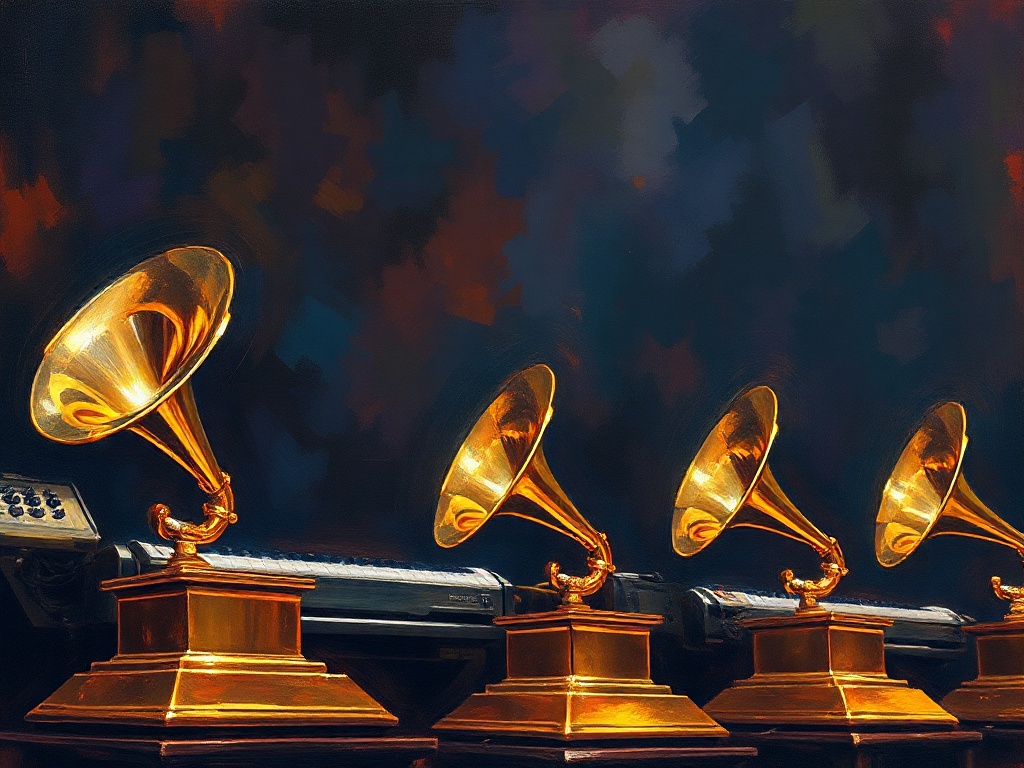
How the Grammys Shape Music Careers—and how artists can navigate them
The Grammy Awards remain one of the most influential platforms in the music industry. Winning or even earning a nomination can boost streaming numbers, increase ticket sales, and raise an artist’s profile with playlists, radio programmers, and international promoters. Understanding how the Grammys work—what they reward, how selections are made, and what trends judges favor—gives artists and fans a clearer view of why certain records break through.
What the Grammys reward
The awards celebrate craft across performance, songwriting, production, engineering, and visual presentation. The “General Field” categories—Record of the Year, Album of the Year, Song of the Year, and Best New Artist—are genre-agnostic and attract the most attention, while genre-specific awards highlight excellence across pop, rock, R&B, hip-hop, country, jazz, classical, and global music.
Separate awards recognize technical roles, from producers and mixers to album designers.
How the process works
Submissions are made by record labels, management, and independent artists. Submitted recordings are screened for category placement and eligibility.
Voting occurs in two main phases: a nominating ballot that determines the finalists, followed by a final ballot to select winners. Voting members—music creators and industry professionals—cast ballots based on artistry and technical merit rather than sales or chart position, although commercial success often correlates with visibility among voters.
Trends influencing nominations and wins
– Genre fluidity: Records that blend styles tend to capture attention.
Crossover projects that fuse pop, R&B, hip-hop, electronic, and global sounds reflect listening habits and often perform well.
– Songcraft and production: Judges consistently reward distinctive songwriting and meticulous production. Innovative arrangements, strong hooks, and clear sonic identity stand out.
– Global representation: Increased recognition for music from non-English-speaking artists shows the awards adapting to a global marketplace driven by streaming and social platforms.
– Cultural moments and narratives: Albums and songs that resonate culturally—through social themes, personal storytelling, or viral moments—often gain traction with voters.
Impact on careers
A Grammy nomination can revive catalog interest and open doors for collaborations, sync placements, and festival bookings.
For emerging artists, a nomination or win can accelerate growth, attracting industry support that funds tours and future projects. For established acts, it consolidates legacy and can boost catalogue streaming for years.
Tips for artists aiming for Grammy consideration
– Submit properly: Follow submission guidelines closely and choose the most appropriate category during screening phases.
– Credit accuracy: Ensure all songwriters, producers, engineers, and key contributors are correctly credited in metadata and performance rights databases.
– Build industry visibility: Engage with peers, featured artists, and industry professionals who are voting members without directly soliciting votes—focus on relationships and reputation.
– Prioritize craft: Invest in high-quality production, thoughtful songwriting, and compelling visual content. Judges reward excellence in craft.
– Campaign smartly: Publicity that highlights the artistic story—behind-the-scenes insights, critical reviews, and tastemaker endorsements—can increase awareness among voters.
What fans should watch for
Performance slots and curated tributes during the ceremony often become defining cultural moments. Beyond the televised show, attention to album packaging, liner notes, and technical credits can reveal hidden labor—engineers and session musicians—whose contributions shape the music.
Staying relevant to the Grammys means balancing artistry with strategy.
Whether through meticulous songwriting, standout production, or thoughtful campaign work, artists who invest in craft and clarity of vision increase their chances of catching the attention of voters and the broader music community.