Beverly Hills: Luxury, Lifestyle, and What’s Shaping the City Today
Beverly Hills has long been synonymous with luxury shopping, iconic architecture, and an enduring celebrity cachet. Today, the city is balancing that storied image with shifts in retail, dining, real estate, and sustainability—creating new opportunities for residents, investors, and visitors.
Retail and the evolution of Rodeo Drive
Rodeo Drive remains the headline attraction for luxury shopping, but the experience is evolving. High-end brands are blending traditional flagship stores with immersive concepts—private salons, appointment-only experiences, and exclusive pop-ups that cater to a clientele seeking privacy and personalization. Boutique stores and curated multibrand shops are also gaining traction, offering unique selections that appeal to style-savvy locals and international visitors alike.
Real estate: renovation, preservation, and smart investment
The luxury real estate market continues to prioritize quality over quantity.
Renovation of classic Spanish and Mid-century modern homes is common, with owners investing in high-end kitchens, outdoor living spaces, and advanced home technology. At the same time, historic preservation efforts are putting a premium on maintaining architectural character in certain neighborhoods. For buyers and investors, properties that combine timeless design with modern amenities—energy-efficient systems, EV chargers, and adaptable floor plans—tend to be the most attractive.
Dining and hospitality: chef-driven, sustainable, and neighborhood-focused
Beverly Hills’ dining scene has shifted toward chef-driven concepts that emphasize seasonality and sustainability. Many restaurants source locally and highlight farm-to-table menus while balancing the expectations of an international audience. Boutique hotels and intimate dining rooms are capitalizing on the demand for curated experiences, while reservations and private dining options remain essential for high-demand spots.
Public spaces, mobility, and city initiatives
The city is investing in public spaces and mobility options that enhance walkability and curb congestion. Streetscape improvements, expanded EV charging infrastructure, and attention to green spaces are part of efforts to preserve the city’s aesthetic while addressing modern urban needs. These initiatives aim to maintain the pedestrian-friendly charm of areas like Beverly Gardens Park, while making the city more resilient and accessible.
Culture, events, and filming
Beverly Hills continues to be a popular filming location and cultural hub. Private and public events—charity galas, art exhibits, and design showcases—contribute to the city’s cultural calendar and draw visitors beyond the typical tourist circuit. For property owners, permitting processes for filming and events have become an important part of managing high-profile homes.
Tips for visitors and new residents
– Book ahead for dining and guided tours; popular spots fill quickly.
– Explore beyond Rodeo Drive: residential streets reveal architectural gems and quieter public gardens.
– Respect privacy in residential neighborhoods; many homes are private properties and photography can be intrusive.
– Consider transportation: valet and ride-share are common, but walking certain districts offers the best sense of place.
– Look for events and pop-ups to experience how local culture and commerce are intersecting.
Beverly Hills continues to balance prestige with progress. As retail becomes more experiential, dining trends embrace sustainability, and urban planning focuses on livability, the city remains a dynamic destination where iconic glamour and modern expectations meet.
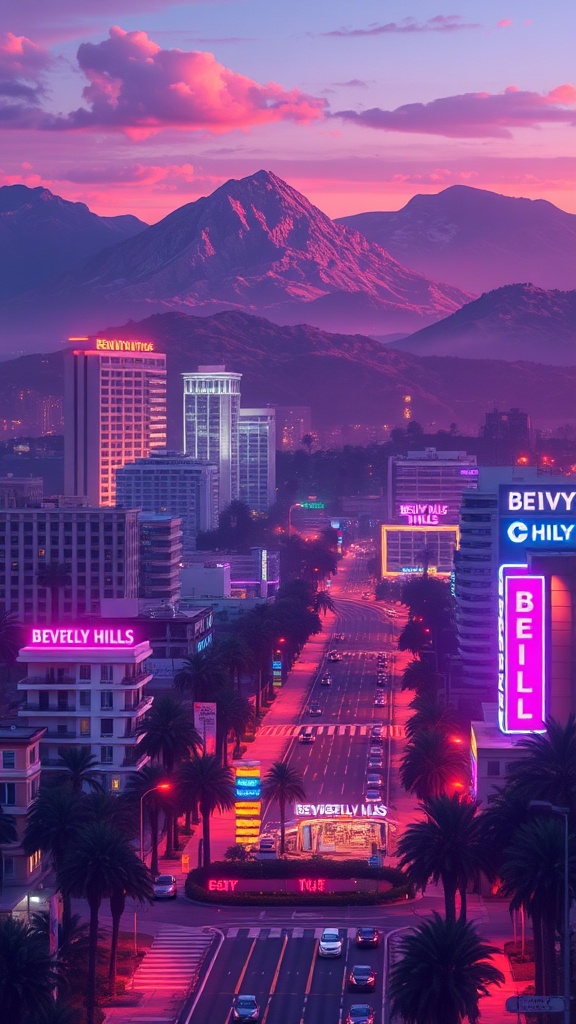
Whether visiting for shopping, architecture, or the lifestyle, taking a curated approach—planning ahead and exploring off the beaten path—will yield the most memorable experience.