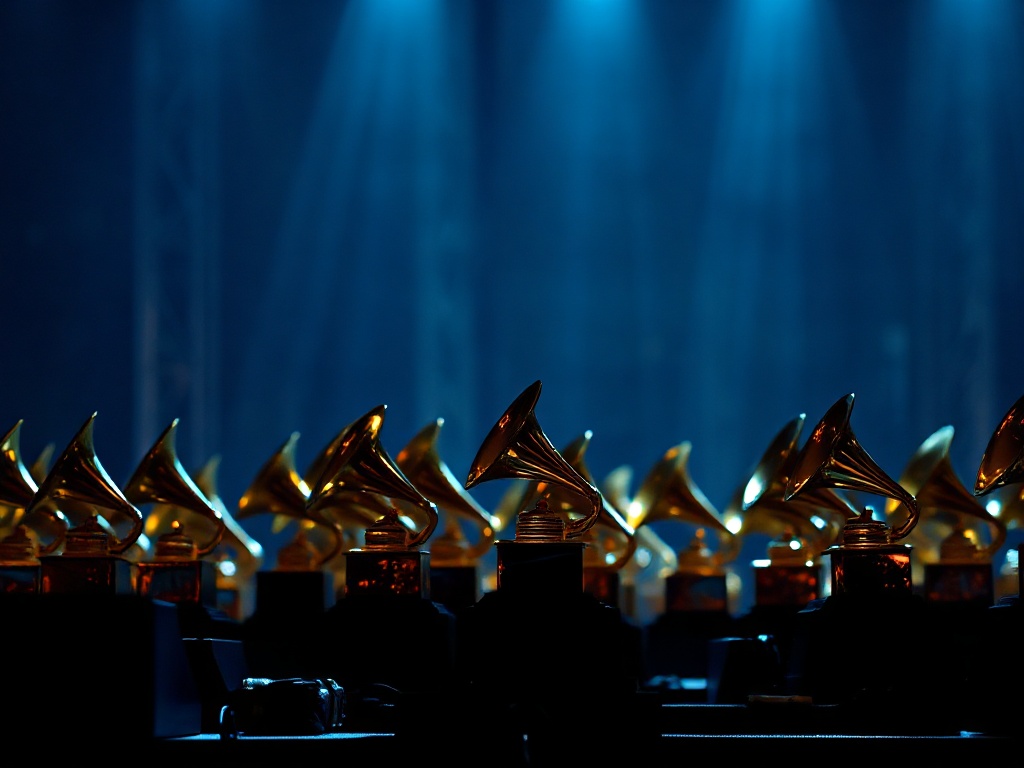
The Grammys remain one of music’s most watched and debated award shows, but the way artists win attention has evolved.
Streaming, genre-blending, and a demand for transparency have reshaped what recognition looks like. For musicians, industry pros, and fans, understanding those shifts helps explain who gets nominated, who wins, and why certain performances become cultural touchstones.
Streaming and data-driven visibility
Streaming dominates music consumption, and playlist placement can make or break a campaign. Algorithms and curated playlists amplify tracks quickly, driving the sales, streams, and cultural footprint that awards voters notice. While critical acclaim and radio still matter, measurable engagement—sustained streams, viral moments, and playlist traction—now plays a large role when evaluating a work’s impact.
Genre fluidity and collaborative creativity
Genre lines are blurrier than ever. Pop artists incorporate R&B and electronic influences; country crosses into hip-hop; indie acts work with mainstream producers. This fluidity creates projects that speak to broader audiences and to multiple voting constituencies.
Collaborations between artists from different scenes often translate into crossover nominations, increasing both visibility and chances for recognition.
Emphasis on craft and technical excellence
Beyond hit singles, the Recording Academy has shown renewed interest in songwriting, production, and performance quality. Producers, songwriters, engineers, and mixers receive more attention than in past eras, reflecting a deeper appreciation for craft.
Projects that showcase studio innovation, intricate arrangements, or standout musicianship are frequently rewarded alongside commercial success.
Reforms, transparency, and diversity
Calls for greater transparency and inclusion have prompted changes in membership, voting processes, and category definitions. These reforms aim to diversify the pool of voters and better represent music created across communities and formats. While progress continues, voters and organizers remain under scrutiny, and artists are more vocal about representation—both onstage and behind the scenes.
How artists can improve their awards prospects
– Build a sustained release strategy: stagger singles, videos, and remixes to keep momentum and streaming numbers steady.
– Prioritize playlist pitching: secure spots on editorial and influential user playlists to increase reach.
– Collaborate meaningfully: choose collaborators who expand sonic horizons and tap new fan bases.
– Highlight craft: make technical credits visible—feature producers, mixers, and musicians in press materials.
– Engage audiences: organic fan support matters; viral engagement and cultural relevance bolster voter awareness.
What fans should watch for
Live performances still shape narratives. A powerful Grammy stage can revive catalog tracks, introduce new audiences to niche artists, and generate trending moments that ripple across social media. Also watch for surprise collaborations and genre-bending sets—these moments often become the most talked-about parts of the night.
The awards season is as much about storytelling as it is about trophies. Successful projects combine artistry, strategic release planning, and audience connection. For anyone following music awards, tracking streaming metrics, playlist trends, and standout live moments gives a clearer sense of who might rise to the top. Keep an ear on cutting-edge releases, and pay attention to the producers and writers behind the hits—recognition increasingly reflects the full creative team, not just the artist name on the marquee.