Malibu is the image of Southern California coastal living: dramatic cliffs, wide sandy beaches, world-class surf and a culture that blends laid-back beach life with high-end dining and design.
Whether planning a weekend escape or researching long-term moves, understanding what makes Malibu special helps you get the most from the coastline and hills.
Top beaches and outdoor activities
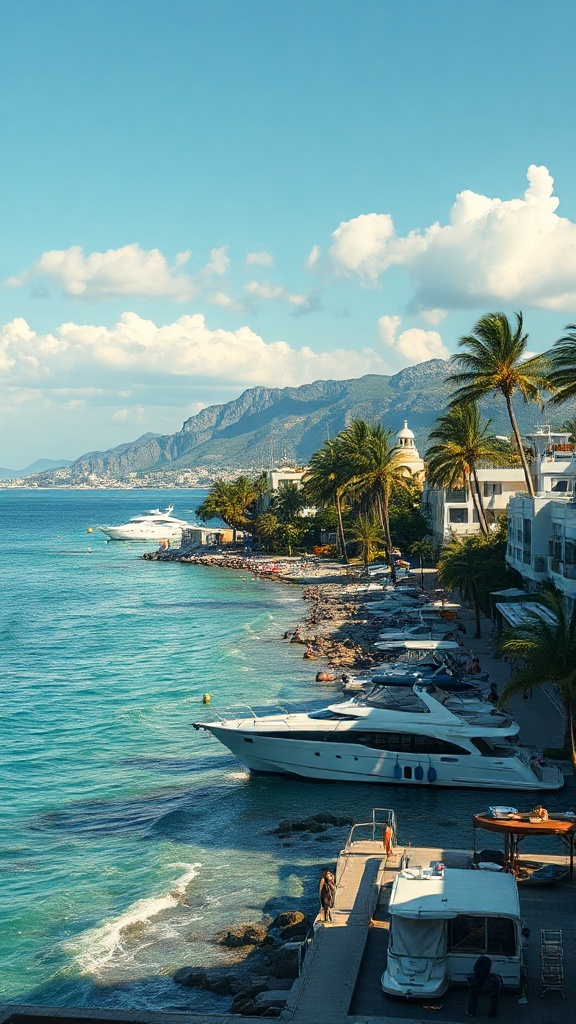
– Surfrider Beach: Iconic for long, rideable waves and a lively surf scene. Ideal for longboarders and spectators watching skilled surfers carve mellow lines near Malibu Pier.
– Zuma Beach: Wide sands and strong lifeguard presence make it family-friendly and great for sunbathing, beach volleyball and long walks at low tide.
– El Matador and Point Dume: Rocky coves and sea stacks create dramatic photo ops and tidepools for explorers. The bluff-top trails at Point Dume offer panoramic ocean views and seasonal wildflowers.
– Malibu Creek State Park and Solstice Canyon: Miles of hiking, mountain biking and picnic spots in the Santa Monica Mountains. Trails vary from easy strolls to more rugged climbs with rewarding vistas.
Water sports and wildlife
Stand-up paddleboarding, kayaking around protected coves and snorkeling in clear kelp beds are popular.
Whale and dolphin sightings are common during migration seasons; guided eco-tours provide the best chance to see marine life while learning about local ecosystems. If surfing is your focus, surf etiquette and local knowledge matter—respect lineups, observe posted warnings and check surf reports before heading out.
Food, drink and local culture
Malibu’s dining scene leans into seafood and farm-to-table concepts with many oceanfront restaurants offering sunset views. For a more casual experience, coastal cafés, seafood shacks and farmers markets provide fresh produce and local specialties. Arts and cultural offerings range from intimate galleries to outdoor concerts and occasional film and music events, creating a vibrant mix for residents and visitors alike.
Conservation and coastal resilience
Malibu’s natural beauty brings conservation priorities to the forefront.
Local groups and agencies work on dune restoration, habitat protection for shorebirds and marine life, and watershed management to improve coastal water quality. Coastal erosion and sea-level rise are active areas of planning, with communities balancing public access, private property rights and shoreline protection. Visitors can help by staying on designated trails, packing out trash and respecting wildlife and restoration areas.
Getting around and practical tips
Traffic on the Pacific Coast Highway can be heavy—arrive early for parking at popular beaches and consider public transit options, rideshares or biking for short distances.
Many trailheads have limited parking and require a short walk from street parking.
Check tide charts for visiting coves and bring sun protection, water and layered clothing; ocean breezes can cool quickly after sunset.
Real estate and lifestyle
Malibu real estate ranges from modest beach bungalows to architecturally significant cliffside estates. Strict coastal regulations influence development and renovations, which helps preserve scenic views and beach access. The lifestyle here blends outdoor recreation with privacy and luxury amenities, attracting people who value ocean access, hiking terrain and proximity to urban centers.
Whether visiting for a day or settling in, respecting the environment and local culture enhances the Malibu experience. Enjoy the beaches responsibly, explore the trails, support local businesses and leave the coastline better than you found it.