From Streaming to Spectacle: Why Hollywood Is Betting on Theatrical-First Releases to Revive the Box Office

Hollywood is shifting from volume to spectacle as studios and theaters compete for audience attention in a landscape shaped by streaming, global box office demands, and changing viewer habits. The result: a renewed emphasis on theatrical-first releases, premium formats, and event-driven marketing designed to make the cinema experience feel essential again.

Why theatrical matters again
Streaming flattened release strategies for a period, but theaters still deliver what home viewing can’t: scale, immersion, and communal energy. Studios are increasingly treating theatrical runs as the marquee phase of a title’s life cycle, using exclusive windows and premium formats like IMAX and Dolby Cinema to create urgency. This helps maximize box office revenue and strengthens a film’s cultural footprint, which in turn drives downstream revenue across streaming, physical, and licensing channels.

Event-driven releases and franchise strategy
Franchise films remain reliable audience magnets, but Hollywood is diversifying how franchises are launched and sustained. Rather than relying solely on sequels, studios build multi-platform universes that include theatrical tentpoles, streaming series, and interactive marketing campaigns. Event-driven releases—premieres with experiential tie-ins, fan-focused activations, and early fan screenings—turn launches into social conversations that boost earned media and ticket sales.

Premium formats and the in-theater experience
Upgrading the cinema experience is a top priority. Premium formats justify higher ticket prices by offering superior sound, larger screens, and enhanced visuals that can’t be replicated at home. Theaters are also improving hospitality—reserved seating, enhanced concessions, and premium lounges—to compete with the comfort of home viewing. These changes position moviegoing as a deliberate outing rather than a default entertainment choice.

Hybrid and staggered release strategies
Studios are experimenting with hybrid approaches to balance theatrical exclusivity and streaming accessibility. Staggered windows—shorter theatrical exclusives followed by streaming premieres—allow films to capture box office momentum while tapping into the convenience of home platforms.

Strategic timing and platform selection are now vital parts of distribution planning, especially for titles that target niche or global audiences.

Independent films and festival pathways
Indie filmmakers are finding new pathways to visibility via festival circuits, specialty distribution deals, and targeted streaming partnerships. Festivals remain crucial for discovery, but boutique distributors and premium cable/streaming labels provide alternative routes to theatrical runs backed by tailored marketing. This ecosystem supports diverse storytelling that complements studio-driven event films.

Global markets and localization
International audiences now play an outsized role in a film’s financial success.

Hollywood image

Localization strategies—dubbed versions, culturally sensitive marketing, and regional partnerships—can significantly expand a title’s reach. Studios increasingly design releases with global appeal in mind while tailoring local campaigns to maximize resonance and box office performance.

What studios and theaters can do now
– Prioritize theatrical-first marketing for tentpoles and highlight premium-format exclusives.
– Use data to time windowing and platform release strategies according to audience behavior.
– Invest in experiential promotions and localized campaigns for global markets.
– Support indie films with curated theatrical runs and festival-to-cinema pipelines.
– Upgrade in-theater amenities and adopt flexible pricing to widen audience appeal.

For audiences, the shift means more choices: big-screen spectacles, curated indie showings, and smarter streaming windows that respect both theatrical value and convenience. Hollywood’s renewed focus on the cinema experience is creating a more dynamic release ecosystem—one that rewards films that make theaters feel like places you need to be rather than places you might skip.

Academy Awards (Oscars) in the Streaming Era: How Eligibility Rules and Changing Tastes Are Reshaping Awards Strategy

How streaming, eligibility rules, and changing tastes are reshaping the Academy Awards

The Academy Awards remain the pinnacle of recognition for filmmakers, but the landscape around nominations and campaigning has been in flux. Filmmakers, studios, and publicists who understand the shifting rules and audience expectations gain the biggest advantage when pursuing Oscar recognition.

The impact of streaming and distribution
Streaming platforms transformed how films reach audiences and voters. Where a theatrical run used to be the only clear path to eligibility, the Academy updated its rules to reflect contemporary viewing habits. That means films debuting on streaming services can compete alongside theatrical releases—provided they meet the Academy’s qualifying conditions. As a result, prestige streaming releases now appear frequently in major categories, changing the calculus for creators planning their release strategies.

This shift also altered audience exposure. Streaming provides immediate, wide availability to Academy members, critics, and influencers, reducing reliance on long theatrical runs. For independent filmmakers, strategic festival premieres combined with targeted streaming windows can yield the visibility needed to earn nominations.

Campaigning in a digital-first era
Traditional awards campaigns—screenings, Q&A panels, and trade ads—are now complemented by robust digital outreach. Virtual screenings, filmmaker roundtables, and social-media-driven grassroots pushes reach voters efficiently and cost-effectively. Authentic storytelling works best: behind-the-scenes features, director chats, and performance tapes allow voting members to connect with the film’s craft and intent.

However, the rules governing campaigning are strict.

Transparency and adherence to Academy guidelines are essential. Savvy campaigns focus on earned attention—reviews, festival awards, and peer endorsements—rather than paid tactics that risk publicity backlash.

Diversity, inclusion, and evolving tastes
The Academy’s membership diversification and inclusion initiatives have broadened the types of stories recognized. Films that center underrepresented voices, explore global perspectives, or experiment with form have gained traction.

This trend encourages storytellers from varied backgrounds to pursue awards recognition with confidence that non-traditional narratives can resonate with voters.

For creators, that means emphasizing authenticity in casting, production, and storytelling. Representation matters not only ethically but strategically: work that reflects real-world diversity often attracts critical conversation and peer support.

The role of festivals and critics
Film festivals remain a cornerstone of awards strategy.

Premiere placements at respected festivals can create momentum, secure critical buzz, and attract distributor attention. Critics’ groups and industry guilds also play influential roles: their awards and endorsements help shape the shortlist of contenders and influence voting behavior.

Academy Awards image

Timing and release strategy
Careful timing still matters. A well-timed festival premiere followed by a targeted release—whether theatrical, limited, or streaming—can build the narrative of a film as an awards contender. Coordinating press, screenings for Academy members, and targeted outreach to critics ensures sustained visibility throughout awards season.

What filmmakers and studios can do now
– Prioritize platform fit: choose distribution that best showcases the film’s strengths and maximizes voter access.
– Leverage festivals: aim for premieres that generate credible critical and industry attention.
– Build authentic digital campaigns: use virtual events, Q&As, and curated press materials to tell the film’s story.
– Engage peers and guilds: screenings for industry organizations and peer groups can generate supportive endorsements.
– Follow the rules: ensure all promotional activity complies with Academy guidelines to avoid disqualification or negative press.

The Academy Awards ecosystem continues to evolve as technology, tastes, and industry structure shift. Filmmakers who combine strong storytelling with strategic release plans, transparent campaigning, and attention to emerging trends position their work to stand out when nominations are decided.

Watch how distribution choices, festival strategy, and authentic outreach shape the next wave of recognized films.

Beverly Hills Travel Guide: Must-See Sights, Luxury Shopping, Dining & Practical Tips

Beverly Hills remains a compact showcase of luxury lifestyle, polished public spaces, and cultural attractions that attract visitors from around the globe.

Whether you’re planning a day trip or scouting neighborhoods with high-end real estate, the city offers a mix of classic glamour and contemporary city planning that makes it easy to enjoy both iconic sights and quieter local gems.

What to see and do
– Stroll Rodeo Drive: Window-shopping along this famous boulevard is an experience: flagship boutiques, luxury brands, and artful storefronts line pedestrian-friendly blocks.

Look for side streets and courtyards where independent galleries and designer showrooms hide behind the glitz.
– Explore Beverly Gardens Park: Running along a central corridor, the park features sculptural installations, manicured gardens, and the signature Beverly Hills sign—perfect for photos and short walks between shopping stops.
– Visit landmark architecture: From the pink-hued hotel facades that define classic Hollywood glamour to modernist and Spanish Revival residences, architecture aficionados can spot diverse styles on tree-lined streets. Guided tours connect visitors with the city’s cinematic history and notable buildings.

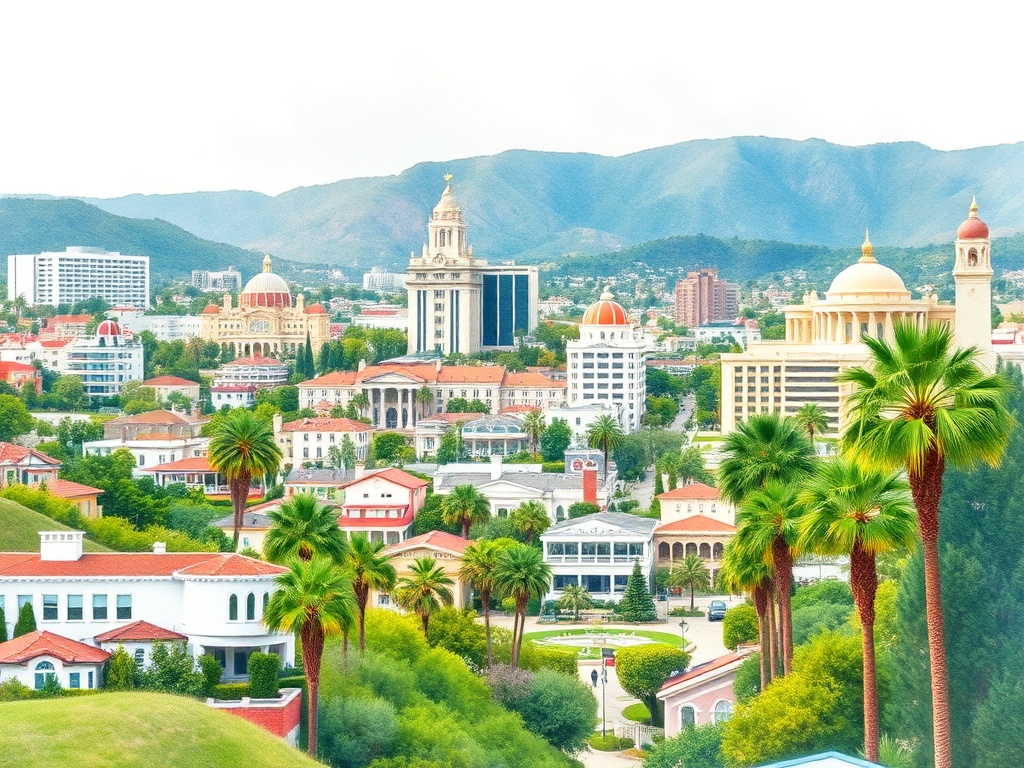
Beverly Hills image

– Cultural offerings: The performing arts center and local galleries present rotating programs, including theater, dance, and contemporary art exhibitions.

Seasonal art shows and pop-up markets activate public spaces, creating a lively cultural calendar.
– Gardens and estates: Public gardens, historic mansions, and private-estate vistas add calm and green space to the city’s urban core. Many public gardens are ideal for a slow morning walk or a picnic between museum visits.

Dining and nightlife
Dining in Beverly Hills ranges from Michelin-starred tasting menus and celebrity-chef restaurants to intimate bistros and artisanal bakeries. Reservations are recommended for popular spots; for a more relaxed meal, explore tree-lined side streets and nearby neighborhoods where locals pick up breakfast or late-night bites. Rooftop bars and stylish lounges are plentiful, offering skyline views and craft cocktails after a day of sightseeing.

Shopping and wellness
Beyond luxury retail, the city emphasizes wellness and lifestyle. High-end spas, boutique fitness studios, and medical wellness clinics cater to visitors seeking rejuvenation. For shoppers, two-story arcades and luxury shopping centers combine designer stores with personal-shopping services and curated events.

Practical tips
– Best times to visit: Weekday mornings tend to be quieter for shopping and sightseeing; weekends see more foot traffic and events.
– Getting around: The city is compact and walkable in central areas, but rideshare and valet services are convenient for hopping between neighborhoods.

Parking is available, with public garages near major shopping districts.
– Plan ahead: Many popular restaurants and guided tours require reservations. If you want to visit a specific gallery or show, check for ticketed entry or timed admission.
– Sustainability and mobility: Expect increasing availability of electric-vehicle charging and bike-friendly routes, reflecting broader urban efforts to reduce emissions and improve mobility.

Real estate and lifestyle
Beverly Hills retains its reputation for high-value real estate, from grand estates tucked behind hedges to modern homes with clean lines.

Strict zoning, well-maintained streetscapes, and strong municipal services contribute to a refined residential character that draws both long-time residents and newcomers seeking prestige and privacy.

Whether your visit focuses on couture shopping, cultural experiences, or simply soaking up the landscape of palm-lined avenues, Beverly Hills blends polished presentation with accessible public spaces—making it easy to craft a tailored itinerary that suits luxury-seeking travelers and curious newcomers alike.

How to Get Grammy Nominations and Leverage Them to Boost Your Music Career

The Grammys remain one of the most powerful moments for artists, songwriters, producers, and industry teams — a career-defining spotlight that can transform streams, ticket sales, and media visibility overnight.

Understanding how the system works and how to prepare for those opportunities can make the difference between a fleeting mention and a long-term career boost.

How nominations happen

Grammys image

The path to a nomination starts with submissions from labels, independent artists, and distributors. Submitted works go through a screening process to ensure they meet category guidelines and eligibility rules. After screening, voting members of the Recording Academy nominate entries in their fields of expertise, and a final voting round determines the winners. This multi-stage process means early attention to submission accuracy and category selection is crucial.

Maximizing your Grammy moment
– Optimize release strategy: Timing matters for visibility within the eligibility window and for marketing momentum leading into nomination voting. Consider coordinated press, playlist campaigns, and targeted radio adds around a release to build measurable impact.
– Invest in a compelling submission: Provide clear credits, liner notes, and supporting materials. Highlight artistic intent and notable collaborators. Screeners rely on easy-to-evaluate materials, and clean metadata can reduce disqualification risk.
– Leverage industry relationships ethically: Engaging with voting members through legitimate industry events and panels can raise awareness of your work, but avoid any activity that could be construed as lobbying; the Recording Academy has strict rules on campaigning.

Publicity and PR strategies that work
A Grammy nomination is a story — treat it that way. Develop a press kit that includes high-quality photos, behind-the-scenes content, and a concise press release tailored to different outlets. Pitch lifestyle, trade, and genre-specific media with unique angles: the song’s creative process, cultural relevance, or collaboration story. Secure exclusive interviews and features that can be amplified across social channels.

Performance and presentation
Being invited to perform or present during the telecast multiplies exposure. Curate performances that translate well to a televised format: memorable visuals, tight arrangements, and a clear narrative. Red carpet appearances generate social media buzz; invest in stylists and photogenic styling that align with the artist’s brand. Memorable moments — surprising collaborations or heartfelt speeches — often become cultural touchpoints that outlive the night itself.

Post-nomination and post-win momentum
– Streaming and playlists: Wins and nominations typically drive immediate streaming spikes. Coordinate with playlist curators and DSP partners to secure placement and capitalize on discovery audiences.
– Touring and ticketing: Use nomination and win assets in tour promotion to increase visibility for upcoming shows. Early-bird ticket offers tied to the news can convert interest into sales.
– Licensing and sync: A prominent credit like a Grammy nod enhances licensing appeal for film, TV, and advertising. Proactively pitch music supervisors highlighting any accolades.

Ethics and long-term thinking
Grammy recognition is valuable, but it shouldn’t replace a sustainable career strategy.

Maintain focus on authentic fan engagement, consistent quality, and creative growth. Respect all industry rules during campaigns and prioritize artistic integrity over short-term publicity stunts.

The Grammys still spark cultural conversations and industry shifts. For artists and teams who approach the opportunity strategically — from submission through the post-show rollout — the event is more than an awards night; it’s a powerful platform to accelerate exposure, deepen audience connections, and build a lasting legacy.

SAG Awards Explained: How Peer Voting Elevates Actors, Ensembles & Breakouts

What makes the SAG Awards stand out is their simple, powerful premise: actors recognizing actors. Presented by SAG-AFTRA, these awards honor outstanding performances across film and television as judged by a peer group made up of working performers. That peer-driven voting structure gives the ceremony a reputation for authenticity — winners reflect the esteem of colleagues who understand the craft from the inside.

How winners are chosen
Nominees are typically determined by randomly selected nominating committees drawn from the SAG-AFTRA membership, and final winners are chosen by the broader membership.

That process gives relative newcomers a fair shot alongside established stars, and it elevates ensemble work by spotlighting collaborative performance rather than just star turns. Categories include leading and supporting acting awards, ensemble cast honors for film and television, and awards that recognize stunt performers — all nods to the many facets of on-screen craft.

Why the SAG Awards matter
Because the voting body consists exclusively of actors, the SAG Awards often carry special weight during awards season. Performances that win a SAG Award gain momentum and industry visibility, and ensemble wins can shine a spotlight on shows or films that might otherwise be overlooked. For viewers, a SAG nod is a shorthand for “actor-approved,” making it a useful guide when looking for critically respected performances.

Trends shaping the ceremony
The rise of streaming has transformed what gets nominated.

Actors now work across film, streaming platforms, and prestige television with greater fluidity, and the SAG Awards reflect that crossover. Ensemble storytelling has become a central storytelling mode, and the ceremony’s ensemble categories reward casts that deliver cohesive, standout group performances.

Representation and activism also feature prominently. Winners often use their acceptance speeches to highlight labor rights, diversity, equitable hiring, and other industry issues — reflecting the union roots of the organization behind the ceremony. There’s ongoing attention to inclusive casting and meaningful roles for performers from underrepresented groups, and the awards can amplify those conversations.

What viewers should watch for
– Ensemble winners: Look for casts that demonstrate seamless chemistry and collective risk-taking — these wins often indicate broader critical support.
– Breakout performances: The peer voting system frequently uplifts breakthrough actors who may not yet be household names.
– Stunt recognition: Stunt awards underscore the increasingly visible role of action choreography and practical effects in high-profile productions.

– Speech moments: Acceptance speeches on this stage often touch on industry conditions and cultural issues, making them worth watching beyond the usual gratitude notes.

SAG Awards image

How to follow the show
The ceremony is widely covered live by broadcast and streaming partners, and social channels amplify red-carpet fashion, clips, and reaction pieces. For the most reliable updates, follow official SAG-AFTRA announcements and accredited press coverage.

For performers and creators
Actors aiming for consideration should prioritize standout, well-documented performances and ensure proper submission through the union’s established channels. For production teams, cultivating ensemble cohesion and spotlighting the contributions of background and stunt performers can pay off in recognition and industry respect.

The SAG Awards remain a meaningful barometer of acting excellence — a ceremony where peer recognition, ensemble storytelling, and on-stage advocacy converge to shape conversations about performance and industry priorities.

Bel Air Real Estate & Lifestyle Guide: Luxury Homes, Buying Tips, and Investment Insights

Bel Air remains one of the most recognizable luxury neighborhoods, defined by sweeping estates, mature canyons, and a quiet exclusivity that attracts buyers, celebrities, and design-minded homeowners.

Whether you’re researching real estate, planning a visit, or simply curious about life behind the gates, here’s a practical look at what makes Bel Air distinctive and how to approach it from a lifestyle and investment perspective.

Why Bel Air stands out
Bel Air combines privacy with proximity. Tucked into the hills, it offers panoramic city and canyon views while being a short drive from major cultural hubs and business centers. The neighborhood’s streets are lined with a mix of architectural styles — from mid-century modern gems and Mediterranean villas to contemporary masterpieces — giving the area visual variety and strong appeal for architects and collectors.

Real estate and market signals
Homes in Bel Air often trade as trophy properties, and the market tends to favor unique, well-maintained residences with privacy features and strong curb appeal. Buyers typically prioritize lots with mature landscaping, outdoor living spaces, and high-end finishes. For sellers, staging that highlights views, indoor-outdoor flow, and security features can increase perceived value.

Lifestyle and amenities
Bel Air is designed for discretion and tranquility. Key lifestyle elements include:
– Private estates with extensive grounds, pools, and guest houses
– Access to hiking and equestrian trails in nearby canyons
– Upscale dining and shopping within short drives to neighboring communities
– Prestigious private schools and exclusive clubs in the surrounding area

Outdoor life and wellness
The neighborhood’s canyon trails and ridgelines are a major draw for residents who value outdoor recreation without leaving the city.

Morning hikes, trail runs, and horseback riding are common routines for locals.

Many properties also incorporate wellness amenities — home gyms, spa areas, and meditation gardens — to support a health-focused lifestyle without commuting.

Privacy, security, and community
Privacy is a core part of Bel Air’s appeal.

Gated entry points, long driveways, and discreet security systems are typical. Community associations and local security programs help maintain neighborhood standards, which contributes to the area’s reputation for safety and decorum.

Buying tips for Bel Air properties
– Prioritize lot orientation and views: A great view rarely loses value.
– Inspect access and privacy features: Gates, landscaping, and sound buffers matter.
– Consider renovation potential: Many buyers add modern systems and open-concept layouts to older estates.
– Work with local specialists: Agents and architects familiar with Bel Air norms can streamline approvals and design choices.

Visiting Bel Air
For visitors, the neighborhood offers scenic drives and a chance to appreciate distinctive architecture and landscaping.

Bel Air image

Respect for privacy is essential; many homes are private residences and community etiquette favors discreet observation over intrusive photography.

Bel Air’s enduring appeal
Bel Air continues to be synonymous with a certain lifestyle: serene, private, and architecturally ambitious.

Whether approached as a place to live, invest, or explore for inspiration, it represents a blend of natural beauty and high-end residential design that remains relevant for discerning homeowners and designers alike.

If you’re considering a move or investment, focus on privacy, views, and renovation potential — and collaborate with local professionals who understand the subtleties of the neighborhood market.

How Modern Celebrities Build and Monetize Authentic Personal Brands: Strategies for Relevance, Revenue, and Reputation

Celebrity culture continues to evolve, driven by direct access to fans, new content formats, and a sharper focus on values. For anyone watching the world of fame—whether as a fan, marketer, or aspiring creator—understanding how modern celebrities build and monetize their public personas clarifies why some stars stay relevant while others fade.

At the core of successful celebrity branding is authenticity. Audiences respond to personalities who reveal more than polished images: behind-the-scenes moments, candid reflections, and consistent messaging across channels.

Short-form video and livestreams create intimacy; long-form interviews and podcasts build depth. The smartest public figures mix formats to satisfy casual followers and invested superfans alike.

Diversification of revenue streams is another defining trend. Beyond traditional endorsements and box-office paychecks, many celebrities launch beauty lines, apparel, fragrances, and lifestyle brands.

Direct-to-consumer models and exclusive drops let stars retain control and capture higher margins, while collaborations with established heritage brands offer credibility and distribution power. Licensing deals, equity stakes in startups, and content ownership are also common ways to turn visibility into lasting wealth.

Social responsibility and values-driven partnerships increasingly shape public perception. Fans expect celebrities to stand for causes that match their public persona, and many align product launches with sustainability, diversity, or philanthropy. Authentic engagement matters: token gestures are quickly spotted and criticized, while long-term commitments generate goodwill and media attention.

Crisis management and reputation maintenance have never been more visible. Social platforms accelerate both acclaim and backlash, so clear communication strategies are essential.

Quick, transparent responses, willingness to correct mistakes, and a focus on restorative actions tend to resonate better than defensive posturing. Media teams now plan for rapid response across multiple platforms and prepare to pivot messaging when public sentiment shifts.

Privacy and mental health are central tension points. Public life can be relentless, so some celebrities draw clear boundaries around family, relationships, and personal time.

Others monetize access and blur those lines intentionally. Managing exposure—through selective sharing, off-camera retreats, and trusted inner circles—helps preserve long-term well-being and career longevity.

For brands and managers aiming to work with celebrities, consider three priorities: alignment, authenticity, and measurable impact. Choose partners whose audience overlap and values match the brand; ensure the collaboration feels natural rather than forced; and set clear metrics—engagement, conversions, or earned media—to evaluate success.

Fans looking to engage responsibly can help shape a healthier celebrity ecosystem too. Respecting personal boundaries, avoiding harassment, and supporting philanthropic initiatives are all ways to be a positive force. Follow official channels for verified updates, and be skeptical of unverified rumors that thrive in sensational cycles.

Practical tips for celebrities and creators:
– Build a content mix: short-form for discovery, long-form for deeper connection.
– Own as much IP as possible: products, content rights, and brand trademarks increase long-term value.

Celebrities image

– Partner selectively: quality over quantity strengthens credibility.
– Prioritize mental health: scheduled breaks and professional support sustain performance.
– Be transparent about causes: explain why a cause matters to you and show measurable actions.

Celebrity culture will continue to shift with technology and audience expectations, but the fundamentals endure: compelling storytelling, consistent values, and smart business strategy create staying power.

Observing how public figures adapt offers useful lessons for anyone building a personal brand or navigating the intersection of culture, commerce, and influence.

Bel Air Living: The Ultimate Guide to Luxury Homes, Design Trends, Sustainability & Buyer Tips

Bel Air remains synonymous with secluded luxury: tree-lined streets, grand gates, and homes tucked into the Santa Monica Mountains that offer privacy without sacrificing access to Los Angeles culture and commerce. For anyone curious about the neighborhood’s appeal or considering a move into the area, the intersection of timeless elegance and modern priorities defines what living in Bel Air looks like currently.

Why Bel Air stands out
Bel Air combines large estate lots and a variety of architectural styles—mid-century modern, Mediterranean and contemporary glass-and-steel designs are all common—which creates a distinct streetscape. The neighborhood’s topography offers canyon views and elevated parcels that capture coastal breezes, making outdoor spaces integral to the lifestyle. Privacy, security and low-profile celebrity residents contribute to the enclave’s aura, while proximity to major institutions and entertainment centers keeps it well connected.

Real estate and buyer priorities
Buyers focus on a handful of consistent features: lot size, view lines, privacy buffers, and the potential for renovation or expansion. Older properties often attract buyers seeking to restore classic mid-century detailing or Mediterranean craftsmanship, whereas newer builds emphasize open-plan interiors, smart-home integration and sustainability features. For investors and homeowners alike, hidden value frequently lies in landscaping and hardscape—privacy hedges, mature trees, and usable outdoor rooms can dramatically increase appeal.

Design and architecture trends
Design trends in Bel Air lean toward maximizing indoor-outdoor living. Large folding glass walls, covered patios, infinity pools and integrated outdoor kitchens are common upgrades. At the same time, there’s a growing appreciation for retaining original architectural character—careful restorations that preserve period details while adding modern mechanicals are popular with design-minded buyers. Neutral palettes, natural materials and clean lines help properties feel contemporary while remaining timeless.

Sustainability and practical upgrades
Water-wise landscaping is a major priority given regional climate patterns. Native plantings, drip irrigation, permeable paving and smart controllers reduce water use while supporting curb appeal. Solar arrays and battery storage are frequently installed to improve energy resilience and lower operating costs. Home electrification—heat-pump water heaters, all-electric HVAC, and EV chargers in garages—aligns with modern efficiency goals and will continue to influence renovation decisions.

Safety and landscape management
Wildfire preparedness and slope management are practical realities for many Bel Air homeowners.

Creating defensible space through appropriate plant selection, routine brush clearance, and using fire-resistant materials on decks and facades can reduce risk. Working with landscape architects and certified professionals helps blend safety measures into an elegant property plan rather than making them feel like an afterthought.

Community and lifestyle
Bel Air’s community organizations and private clubs contribute to neighborhood cohesion.

Local associations coordinate on road maintenance, canyon conservation and neighborhood security measures.

For residents, amenities extend beyond property lines: nearby cultural institutions, upscale dining, and recreational options on the Westside are just a short drive away.

Tips for prospective buyers
– Prioritize site inspection: identify drainage, slope stability and mature tree condition.
– Factor renovation costs: older estates often need significant mechanical and seismic upgrades.

– Evaluate privacy vs. view trade-offs: adding screening can block sightlines but enhance seclusion.
– Consider operational costs: large properties mean higher maintenance, landscape and energy bills.

Bel Air image

– Work with specialists: landscape architects, preservation-minded contractors and local real estate pros help navigate neighborhood specifics.

Bel Air continues to blend ceremonial elegance with practical evolution—historic character and modern comforts coexist, and thoughtful design decisions make all the difference in preserving value while enhancing everyday living.

Beverly Hills: Luxury Shopping, Dining, Design & Real Estate Guide

Beverly Hills remains a global shorthand for luxury living, designer shopping, and cinematic glamour. That reputation blends with a quieter side where tree-lined streets, manicured gardens, and architectural gems invite slower exploration. Whether visiting for boutique shopping or scouting the luxury real estate market, a focused plan helps make the most of this compact, high-style city.

Rodeo Drive and shopping
Rodeo Drive is the headline attraction: a concentrated strip of flagship stores, high-fashion boutiques, and curated showrooms. Beyond the three-block stretch, nearby streets and walkways host independent jewelers, contemporary designers, and specialty retailers offering bespoke services. For a more curated experience, schedule private shopping appointments or personal-shopping services often offered by luxury brands and department stores.

Dining and hospitality
High-end dining here ranges from white-tablecloth establishments to refined casual spots emphasizing seasonal, locally sourced ingredients. Hotel dining rooms frequently double as culinary destinations, with rooftop terraces and private dining options that combine ambiance with elevated menus. For reservations, book early and consider weekday dining to avoid peak crowds and enjoy quieter service.

Architecture, parks, and culture
Beverly Hills showcases a mix of architectural styles — Mediterranean Revival, Art Deco, and mid-century modern — with many private residences and public buildings reflecting meticulous preservation.

Beverly Gardens Park offers a scenic, pedestrian-friendly route through the city with public art, rose gardens, and the iconic Beverly Hills sign. Cultural programming and occasional open-house events at historic properties and local museums provide opportunities to experience the city’s heritage beyond the storefronts.

Real estate and design trends
The local real estate market is shaped by demand for privacy, indoor-outdoor living, and smart-home technology. Renovations often prioritize sustainable upgrades, energy efficiency, and landscape designs that favor native, drought-tolerant plants.

Interior design trends tilt toward timeless materials and neutral palettes that showcase art and architecture while creating flexible living spaces suited to both family life and entertaining.

Wellness and beauty
A robust wellness scene caters to recovery and maintenance, from boutique fitness studios and mediation centers to full-service spas and aesthetic clinics. Many services emphasize personalized treatments, membership models, and integrated wellness plans. For visitors, day-spa packages and wellness-focused hotel stays offer efficient ways to sample the best of local self-care.

Sustainability and mobility

Beverly Hills image

Local businesses and public agencies are increasing investments in sustainability — from water-wise landscaping and efficient lighting to expanding electric vehicle charging infrastructure and pedestrian-friendly streetscapes. These efforts aim to balance the city’s high standards of maintenance with environmental responsibility, enhancing long-term livability.

Practical tips for visitors
– Walk where possible: many attractions are within a short stroll of each other, and walking reveals hidden shops and gardens.
– Parking: use public garages and valet services; some neighborhoods enforce residential permits.

– Respect privacy: celebrity spotting is possible, but discretion is valued and private properties should not be approached.
– Book ahead: for restaurants, tours, and private shopping appointments, reservations streamline the experience.

Beverly Hills succeeds by offering more than spectacle. It’s a compact city where high design meets thoughtful public space, and where luxury can coexist with green-minded innovation and quiet residential charm. Whether arriving for a day or scouting long-term options, a mindful itinerary will uncover both the headline moments and the quieter pleasures that define this renowned enclave.

SAG Awards Explained: How Peer Voting, Ensemble Wins and Stunt Recognition Shape Awards Season

The SAG Awards remain a unique marker of peer recognition in film and television, prized because actors vote for actors. That peer-driven process gives the ceremony particular weight: winners are chosen by fellow performers and often reflect respect from within the craft rather than solely box-office results or critics’ buzz.

What makes the SAG Awards stand out
– Peer voting: Nominees and winners are selected by union members, which emphasizes craft-level recognition. This makes ensemble and acting categories especially meaningful.
– Ensemble focus: The awards honor entire casts—both in motion pictures and series—spotlighting collaborative storytelling often overlooked by individual-actor categories.
– Inclusion of stunt performers: The stunt ensemble award acknowledges work that has historically received less mainstream attention, reinforcing the show’s commitment to a wide range of performance disciplines.

Trends shaping the show
Streaming platforms have reshaped the nomination pool, with high-quality series and films debuting outside traditional theatrical windows earning major recognition. That shift has broadened storytelling styles and formats represented on the SAG stage. Another ongoing trend is the spotlight on diversity and representation, as casts from underrepresented communities win ensemble honors and actors use acceptance speeches to highlight industry equity and labor issues.

Why industry watchers care
The SAG Awards are often seen as a bellwether for other major honors because the acting electorate overlaps with other voting bodies. Ensemble wins can boost momentum for projects and draw attention to ensemble-driven scripts and directing choices.

SAG Awards image

For actors and publicists, a SAG nod is a career milestone that can influence casting and marketing narratives.

What to watch for on ceremony night
– Surprise ensemble winners: These can indicate a groundswell of peer support that might not match critics’ lists.
– Acceptance speeches: Actors frequently use their time to champion causes—diversity, fair pay, safety on set, and mental health—making the ceremony a platform for industry conversations.
– Fashion and red carpet moments: While glamour is expected, looks often spark wider cultural conversations about sustainability, emerging designers, and personal storytelling through style.

How the awards affect campaigns
Publicists and studios value SAG recognition because it signals industry respect.

Campaign strategies often include screenings and peer outreach that highlight ensemble chemistry and performance choices. For smaller or independent films, a SAG nomination can significantly amplify visibility.

Tips for viewers
– Pay attention to ensemble categories: They reveal which projects foster the strongest collaborative work.
– Watch the stunt and ensemble technical categories to discover behind-the-scenes artistry.
– Listen to speeches for cues about industry priorities and emerging debates—these moments often frame narratives that persist through the rest of awards season.

The SAG Awards continue to be a celebration of acting craft and collective achievement. Whether you follow for the performances, the red carpet, or the bigger conversations sparked during acceptance speeches, the ceremony offers a concentrated look at what fellow performers value most in storytelling and collaboration.