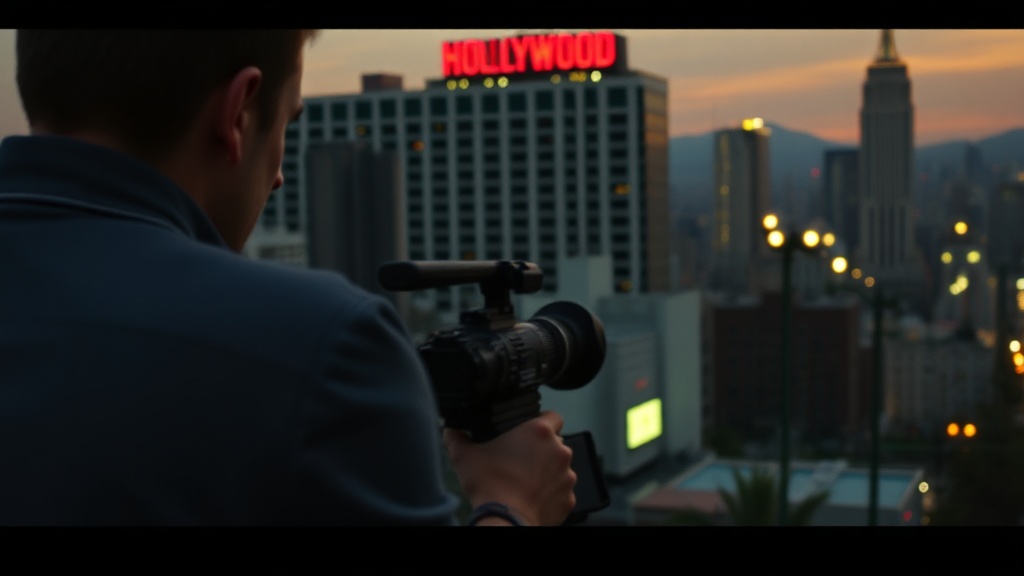
Why the Grammys Still Matter: How Nominations and Wins Shape Music Careers

Why the Grammys Still Matter — and How They Shape Music Careers

The Grammys remain one of the most influential events in recorded music, combining industry recognition with mainstream visibility. Beyond the trophy moment, a Grammy nod or win can change booking fees, streaming numbers, licensing opportunities, and long-term credibility. Understanding how the process works and what it means for artists and listeners helps make sense of the awards’ ongoing cultural weight.

How nominations and voting work
The Recording Academy manages submissions, screening and voting through a membership-driven process.

Recording professionals submit eligible releases to categories, and expert screening committees ensure entries land in the right fields. Voting members — made up of artists, producers, engineers and other professionals — cast ballots to determine nominees and final winners. The Academy has adjusted its procedures over time to improve transparency and reduce category overload, while preserving peer-driven recognition as the awards’ core value.

Category changes and genre evolution
Genre boundaries have softened as artists blend influences, and the Grammys have adapted by refining category definitions and introducing or renaming categories to recognize global sounds. Genre-fluid production, collaborations across borders, and the rise of new subgenres mean the categories continue to evolve. For emerging artists riding hybrid styles, this trend increases chances to be noticed in categories that better reflect contemporary music-making.

The career impact of a nomination or win
A Grammy recognition typically results in measurable benefits:
– Streaming and sales boosts as playlists and listeners gravitate to nominated work
– Higher-profile touring and festival bookings
– Greater attention from sync and licensing teams for film, TV and advertising
– Enhanced media coverage and festival programming consideration
– Long-term industry credibility that can open doors for collaborations and label support

For established artists, a Grammy can validate artistic risks. For newcomers, a nomination can accelerate career momentum by putting their music in front of new audiences.

What artists can do (realistically)
While winning is never guaranteed, artists can take practical steps to position their work:
– Ensure releases meet Academy eligibility and are properly submitted by labels or qualified representatives
– Prioritize high-quality recording and mastering — technical excellence matters to industry voters
– Build a compelling narrative around the release: press, playlists, curated radio, and targeted outreach help visibility
– Network within the professional community; membership and engagement with peers increase awareness
– Focus on long-term catalog development; consistent output and distinctive artistry resonate with voters over time

Audience and industry reactions
The Grammys often spark conversation about representation, genre recognition and voting transparency.

The Recording Academy has responded to critiques with initiatives aimed at increasing membership diversity and improving category clarity.

Viewers and industry insiders alike watch not just for winners, but for who gets spotlighted — and how that visibility reshapes mainstream listening habits.

Why it still matters to listeners
For music fans, the Grammys are a way to discover new artists, revisit overlooked albums and follow trends in production and collaboration. Even with debates about relevance, the awards amplify conversations around artistry and excellence in recorded music, influencing what playlists, radio programmers and music supervisors spotlight next.

As the music landscape continues to shift, the Grammys will likely keep adapting. For artists and fans alike, staying informed about submission rules, category changes and industry best practices is the best strategy for making the most of Grammy season.

Grammys image

Bel Air, Los Angeles: Hilltop Luxury Homes, Architecture & Panoramic Views

Bel Air: the hilltop neighborhood that defines Los Angeles glamour.

Tucked into the Santa Monica Mountains, Bel Air blends dramatic canyon topography, private estates, and lush landscaping to create a lifestyle built around privacy, views, and architectural pedigree.

What makes Bel Air unique
Bel Air’s appeal comes from contrasts: winding, tree-lined drives that give way to grand gates and secluded homes; modern glass-and-steel designs sitting beside Spanish Colonial and midcentury masterpieces. The area was planned with low-density, estate-style living in mind, so large lots, mature trees, and canyon buffers remain signature features. That sense of retreat—while still being minutes from major cultural hubs—keeps Bel Air in high demand.

Architecture and design
Bel Air is a showcase for diverse architecture.

Expect to see Mediterranean and Spanish Colonial Revival facades, midcentury modern homes with palm-lined pools, and showpiece contemporary estates that prioritize indoor-outdoor living and panoramic views.

Landscape design is a major part of the aesthetic: terraced gardens, olive groves, sculpted hedges, and private trails often frame properties. For buyers and design enthusiasts, Bel Air is a living portfolio of inspiration.

Lifestyle and amenities
Privacy and exclusivity shape daily life. Private clubs and nearby country clubs offer golf, tennis, dining, and social programming. The iconic luxury hotel nested in the neighborhood provides fine dining and spa services that blend into the residential ambiance. Cultural destinations and university campuses are a short drive away, giving residents easy access to museums, galleries, and performance venues while preserving the calm of a tucked-away enclave.

Bel Air image

Outdoor recreation and views
The neighborhood’s hilly terrain delivers rewarding outlooks over the city and the Pacific. Scenic stretches along Mulholland Drive and local canyon roads offer classic L.A. panoramas, sunrise and sunset vantage points, and dramatic night lights. Several nearby parks and trailheads provide opportunities for hiking and nature walks; many residents also enjoy private paths and canyon-side promenades that emphasize solitude.

Real estate considerations
Bel Air real estate is defined by large parcels, significant privacy features, and custom-built properties.

Buyers usually consider access, lot orientation for views, and topography for landscaping and pool design. Security and gated access are common; many estates include separate guesthouses, staff quarters, and extensive outdoor entertaining areas.

For those selling, staging to highlight indoor-outdoor flow and view corridors yields strong interest.

Visiting tips and etiquette
Bel Air is primarily residential and places a high value on privacy. If you’re touring, book appointments through listed agents and respect closed gates and signage.

For scenic drives and overlooks, stick to public roads and designated viewpoints.

Dining or spa reservations at local luxury properties provide an elegant way to experience the neighborhood’s atmosphere without intruding on private residences.

Why people choose Bel Air
Residents prioritize peace, privacy, and proximity to Los Angeles cultural and business centers. The blend of historic charm and modern design, coupled with sweeping natural scenery, creates a lifestyle that’s both exclusive and livable. Whether drawn by architecture, seclusion, or views, people who choose Bel Air often prize the sense of being removed from the urban rush while remaining connected to city amenities.

Find the balance
Bel Air remains a study in contrasts—quiet canyons and high-profile homes, natural ridgelines and meticulously designed landscapes. For those exploring Los Angeles neighborhoods or considering a move, it offers an enduring option for buyers seeking privacy, prestige, and a connection to the region’s iconic landscapes.

How Celebrity Brands Turn Fame into Successful Businesses — Lessons for Creators and Marketers

Celebrities are no longer just entertainers — they’re full-fledged entrepreneurs, cultural tastemakers, and brand builders. Whether launching beauty lines, investing in food and beverage, or producing original content, public figures are expanding their influence far beyond red carpets.

Understanding how and why celebrities turn personal brands into successful businesses offers useful lessons for creators, marketers, and consumers.

Why celebrity brands resonate
– Built-in audience: Celebrities come with large, engaged followings that can be activated immediately for product launches and campaigns.
– Authentic storytelling: When a product connects to a celebrity’s personal story or passion — wellness, beauty, or sustainability — consumers perceive it as more authentic.
– Media magnetism: Traditional and social media coverage magnifies awareness, often delivering earned exposure that rivals paid advertising.
– Distribution advantages: Partnerships with retailers, direct-to-consumer channels, and celebrity-backed investors can accelerate scale.

Popular categories and what drives them
– Beauty and skincare: Celebrity founders emphasize inclusivity, clean formulations, and transparent ingredient lists.

These qualities align with consumer demand for ethical and effective personal care.
– Wellness and supplements: Driven by holistic living trends, celebrity wellness offerings often combine lifestyle content (podcasts, books, retreats) with product lines.
– Alcohol and hospitality: Spirits and beverage brands capitalize on lifestyle imagery and collaborations with mixologists and hospitality groups.

Celebrities image

– Fashion and athleisure: Capsule collections, sustainable materials, and limited drops create urgency and exclusivity while reinforcing a celebrity’s aesthetic.
– Media and production: Creating films, shows, and podcasts allows celebrities to control narratives and monetize intellectual property through multiple channels.

Keys to long-term success
– Authentic positioning: Brands that feel like a natural extension of a celebrity’s identity outperform opportunistic ventures. Story must precede product.
– Quality and consistency: Repeat customers come from product performance, not just a famous name. Investing in formulation, manufacturing, and customer service is essential.
– Strategic partnerships: Aligning with established manufacturers, retailers, or distribution partners reduces operational friction and increases reach.
– Sustainability and transparency: Consumers expect social responsibility.

Clear sourcing, ethical practices, and measurable goals build trust.
– Community building: Brands that foster community through social content, events, and loyalty programs create stickier customer relationships.

Risks and reputation management
Celebrity brands face heightened scrutiny. Missteps in product claims, supply chains, or public conduct can quickly become PR crises. Proactive communications, third-party certifications, and rapid response frameworks mitigate risk. Many successful celebrity entrepreneurs also diversify holdings — combining consumer brands, equity stakes in startups, and media ventures — to reduce dependence on any single revenue stream.

What marketers and creators can learn
– Lead with story. Position products within a narrative that explains why the celebrity cares.
– Prioritize product over promotion. Marketing can drive trials, but repeat business depends on quality.
– Use social platforms strategically. Short-form video, behind-the-scenes content, and community features amplify engagement.
– Collaborate authentically. Choose partners and ambassadors whose values align and who add credibility.
– Measure beyond vanity metrics. Track retention, lifetime value, and customer acquisition cost to understand real performance.

The celebrity-brand landscape keeps evolving, driven by audience expectations and new commerce models. For celebrities, the most successful ventures combine genuine passion with rigorous business discipline.

For consumers and creators, those ventures offer a blueprint for turning visibility into lasting value.

How Celebrity Culture Is Evolving

How Celebrity Culture Is Evolving: Authenticity, Platforms, and Power

Celebrity culture is shifting from glossy, distant glamour to a blend of authenticity and influence that fuels careers, brands, and public conversations. Today’s celebrities navigate more channels, more scrutiny, and more opportunity than ever before. Understanding these changes helps fans, marketers, and creators make better choices and spot the trends that stick.

Celebrities image

More than fame: the rise of authenticity
Audiences prize relatability. Fans respond to behind-the-scenes content, candid interviews, and everyday moments that make public figures feel human. This shift is not a rejection of traditional stardom but an expansion: polished projects still command attention, while unscripted glimpses build long-term loyalty.

Celebrities who balance curated craft with authentic access tend to sustain engagement across platforms.

Platforms shape personas
Where a celebrity shows up matters. Streaming services, short-form video apps, podcast networks, and direct-to-fan channels all encourage different kinds of storytelling. Short clips reward immediacy and humor; long-form interviews showcase nuance; subscriber platforms enable exclusive content and deeper monetization.

Smart public figures tailor their message to each format rather than broadcasting the same post everywhere.

Branding and entrepreneurship
Many celebrities now act as entrepreneurs, turning recognition into product lines, production companies, or investment portfolios. Successful transitions hinge on credibility: fans support ventures that align with a celebrity’s perceived values or expertise. Strategic partnerships with sustainable products, wellness brands, or creative studios that reflect a public figure’s narrative often perform better than generic licensing deals.

Managing scrutiny and public accountability
Public figures face intense scrutiny, and the speed of social media amplifies missteps. Transparency, prompt communication, and genuine reparative actions are critical when controversies arise. Celebrities who acknowledge mistakes and take concrete steps to address harm often repair relationships more effectively than those who ignore criticism or offer perfunctory apologies.

Mental health and boundaries
Maintaining mental health amid constant visibility is a central challenge. Many public figures openly discuss therapy, digital detoxes, and boundary-setting—actions that destigmatize care and model healthier behavior for audiences. Fans increasingly respect celebrities who set limits around privacy, even as they desire connection.

Fan communities and cultural power
Fan communities have become powerful forces that can boost projects, influence awards, and shape narratives. Organizers coordinate streaming parties, charitable drives, and trending campaigns that amplify a celebrity’s impact. Brands and artists who engage genuine fan communities—listening and responding rather than exploiting—tap into a passionate, sustained audience base.

Opportunities for brands and creators
For marketers, the key is alignment and long-term thinking. Partnering with celebrity talent works best when expectations are clear, creative control aligns with brand values, and campaigns prioritize storytelling over hard sell. For creators aiming to break into mainstream recognition, the path often involves building a focused niche, collaborating with peers, and leveraging multiplatform storytelling to scale visibility.

What to watch next
Expect continued blending of mediums: scripted projects that spawn social content, podcasts that lead to docuseries, and merchandise drops timed with digital events. Audiences will keep valuing authenticity, but novelty and high-quality craft will still capture headlines. Celebrities who can juggle artistry, business savvy, and genuine connection will shape culture and commerce for the foreseeable future.

Practical takeaways
– Prioritize a consistent core narrative across platforms while adapting format and tone.
– Invest in community engagement rather than one-off promotions.

– Set clear boundaries and prioritize mental health as part of career strategy.
– Seek brand partnerships that reinforce credibility and audience trust.

Celebrity culture is less about unreachable glamour and more about influence, responsibility, and ongoing storytelling. Those who understand that mix will thrive in the evolving attention economy.

Malibu Travel Guide: Best Beaches, Surf Spots & Coastal Living

Malibu: Beaches, Breaks, and a Coastal Lifestyle Worth Exploring

Malibu remains one of the most iconic coastal communities in California, known for its sweeping ocean views, world-class surf breaks, and a strong focus on conservation. Whether you’re planning a day trip or thinking about real estate, Malibu offers a blend of outdoor adventure, culinary treats, and environmental stewardship that keeps visitors coming back.

Beaches and Surfing
Zuma Beach is a favorite for families thanks to its wide, sandy shore and lifeguard presence. For dramatic cliffs and sea caves, El Matador State Beach and Point Dume deliver stunning scenery and tidepool exploration at low tide. The Malibu Pier and Surfrider Beach are legendary among longboarders; the right point break here produces long, rolling waves that are perfect for classic surf style. Always check local surf reports and tide charts before heading out—conditions can change quickly.

Hiking and Outdoor Activities
The Santa Monica Mountains that flank Malibu provide miles of trails with panoramic Pacific vistas. Solstice Canyon features a shaded route to a small waterfall and the evocative ruins of an old stone cottage, while the Backbone Trail and paths through Malibu Creek State Park offer longer outings and rock-climbing opportunities. Birdwatchers enjoy the Malibu Lagoon and coastal wetlands, where migratory species stop over seasonally. Bring layered clothing—the ocean breeze can make temperatures fluctuate throughout the day.

Dining and Nightlife
Malibu’s dining scene is a balance of casual seafood shacks and upscale oceanfront restaurants. The Malibu Pier and nearby dining establishments are popular for fresh local catches and sunset views. For a more laid-back experience, beachside cafés and fish markets offer grab-and-go options that pair well with a picnic on the sand. Reservations are advisable for weekends and holiday periods when demand spikes.

Conservation and Community
Environmental stewardship is central to Malibu’s identity. Local organizations, volunteer groups, and municipal agencies collaborate on shoreline restoration, dune preservation, and lagoon revitalization projects.

Erosion control, sand replenishment, and coastal habitat protection are ongoing priorities, especially as communities adapt to changing coastal conditions. Wildfire resilience is another major focus, with community-led vegetation management and defensible-space initiatives helping protect homes in the chaparral-covered hills.

Real Estate and Access
Malibu’s real estate market is defined by beachfront homes, canyon retreats, and gated communities that emphasize privacy and views. Coastal setbacks, bluff stability, and environmental regulations influence development and renovation projects.

Traffic along the Pacific Coast Highway can be heavy during peak travel times; planning trips outside of peak windows or using alternative routes helps reduce travel stress.

Practical Tips for Visitors
– Arrive early for parking at popular beaches and trailheads.
– Respect posted signs about protected habitats and nesting birds.
– Check for any beach advisories or temporary closures before your visit.
– Pack out what you bring in—leave no trace helps preserve Malibu’s beauty.

Malibu image

Malibu blends natural splendor with a community-driven approach to preserving its coastline and open space. Whether you’re catching a wave, hiking above the ocean, or enjoying a seaside meal, the area offers a timeless coastal experience shaped by a culture of outdoor living and conservation.

How Artists Can Navigate the Grammys Today: Submission, Voting & Campaign Strategies

What the Grammys mean now — and how artists can navigate them

The Grammy Awards remain one of the most influential honors in recorded music, shaping careers and spotlighting artistic achievement across genres. While debates about taste and fairness never fully disappear, the Recording Academy has been working to make the process more transparent and inclusive. For musicians, managers, and fans, understanding how the Grammys operate and how to engage with them can turn a dream nomination into a realistic campaign.

How the process works
– Submission and eligibility: Record labels, independent artists, and members of the Recording Academy submit recordings for consideration. Each submission must fit the category definitions and eligibility rules set by the Academy.
– Screening: Screening committees check submissions to ensure they meet category criteria and are routed correctly. Accurate metadata, genre classification, and documentation matter here — mislabeling can send a strong record to the wrong ballot.
– Voting: Voting members — music creators and industry professionals who meet participation requirements — cast ballots in two main rounds: nominations and final voting. Eligibility, membership status, and voting integrity rules shape outcomes.
– Committees and oversight: To balance broad peer voting with expert review, the Academy uses committees in some categories. These structures have been adjusted over time to address concerns about transparency and fairness.

Common controversies and how to avoid pitfalls
Grammy snubs, genre disputes, and perceived lack of diversity often attract media attention.

Artists can’t control every opinion, but they can reduce risk of controversy by ensuring proper submission, clear genre tagging, and accurate credits — producers, songwriters, and featured artists should all be listed correctly. Miscredited work can disqualify entries or harm chances.

Promotion strategies that respect rules

Grammys image

Campaigning for a Grammy is different from typical marketing.

It’s about visibility among voting peers and maintaining credibility.

– Build relationships within the community: Engage with fellow creators, producers, and industry professionals through collaborations, live events, and professional networks. Authentic connections often translate into votes.
– Focus on craft and documentation: Provide voters with high-quality listening materials, press kits, and clear credits. Albums and tracks with strong storytelling around production and songwriting stand out.
– Use publicity wisely: Target trade publications, radio programmers, and industry playlists that reach voting members. Avoid tactics that violate Academy campaigning rules — transparency and integrity matter.
– Leverage performances and awards shows: Televised performances and industry showcases raise public profile and remind peers of your artistry.

Why categories matter
Choosing the right category can dramatically affect chances. Some artists fit multiple categories (genre-based, technical, and general-field nominations). Evaluate where a recording’s strengths lie — songwriting, production, vocal performance, or overall album quality — and submit accordingly. Misplaced entries tend to underperform.

What listeners should know
The televised Grammy show highlights a handful of categories, but the awards span dozens of fields celebrating classical, jazz, global, and technical achievements. Watching lesser-publicized categories can reveal emerging trends and spotlight exceptional non-commercial work.

The awards continue to evolve
Expect ongoing adjustments to voting rules, category definitions, and transparency measures as the Academy responds to industry feedback. For artists, the best strategy remains consistent: focus on outstanding recordings, document credits meticulously, engage the community honestly, and present your work to peers with clarity and respect.

The Grammys will keep reflecting both commercial success and peer-recognized excellence — and informed artists stand the best chance of being noticed.

How Celebrities Use Social Media to Build and Monetize Lasting Personal Brands

How Celebrities Turn Social Media into Lasting Personal Brands

Celebrities no longer rely solely on press tours and red carpets to shape their public image. Today, social platforms are the core stage where fame becomes influence, and influence turns into business. Understanding how high-profile figures build, protect, and monetize their brands reveals useful strategies for anyone interested in modern celebrity culture or brand building.

Be authentic, but strategic
Audiences crave authenticity, yet unfiltered content alone won’t sustain a career.

Successful celebrities blend candid moments with carefully planned messaging. They share personal stories that create emotional connection, then support those stories with consistent visuals, recurring formats, and clear points of view.

The result is an approachable persona that still aligns with long-term goals—whether that’s fashion credibility, activism, or launching a product line.

Own your channels
While collaborations and viral moments can spike attention, owned channels deliver long-term value.

Popular approaches include newsletters, podcasts, and branded apps that let stars control the narrative and collect first-party data. These channels make it easier to convert attention into customers for beauty, apparel, wellness, and other direct-to-consumer ventures.

Short-form content, long-term loyalty
Short-form video is central to discovery. Quick, snackable clips—behind-the-scenes moments, day-in-the-life edits, or playful trends—drive massive reach. Smart creators use those clips as gateways to deeper content: long-form interviews, product demos, or subscriber-only material.

This funnel approach balances viral visibility with meaningful engagement.

Collaborations that feel organic
Influencer partnerships and cross-industry collaborations are most effective when they feel authentic. Rather than one-off shoutouts, celebrities increasingly co-create products, share equity in startups, or partner on multi-platform campaigns.

These arrangements boost credibility and align incentives, turning partnerships into long-term brand extensions instead of short-lived endorsements.

Monetization beyond ads

Celebrities image

Monetization strategies have diversified.

Sponsored posts remain valuable, but many celebrities pursue equity deals, launch D2C brands, or create paid communities. Licensing, guest appearances, and branded content series offer recurring revenue without eroding personal brand equity. The smartest moves prioritize audience trust—products or initiatives that genuinely reflect a celebrity’s interests tend to perform best.

Protecting privacy and boundaries
Growing transparency doesn’t mean complete exposure. Successful public figures set clear boundaries: designated times for public interaction, controlled leaks to maintain narrative momentum, and trusted teams who manage legal and PR risk. These safeguards reduce burnout and preserve long-term appeal.

Data-driven creativity
Content decisions are increasingly informed by analytics. Engagement rates, audience retention, and conversion metrics guide which formats to scale and which ideas to shelve. This blend of creativity and measurement helps celebrities adapt quickly while preserving their core identity.

What brands can learn
Brands studying celebrity strategies should prioritize authenticity, invest in owned channels, experiment with short-form storytelling, and measure impact beyond vanity metrics. Long-term relationships—whether with talent or with customers—deliver compounding value.

As celebrity culture evolves, the most resilient stars are those who treat fans like partners, balance openness with strategy, and turn attention into meaningful, diversified businesses. The playbook they use today offers clear lessons for anyone building a modern personal or corporate brand.

Bel Air: luxury living, canyon views, and Westside calm

Bel Air: luxury living, canyon views, and Westside calm

Bel Air has long been synonymous with privacy, sweeping views and an understated kind of luxury tucked into the hills above the Los Angeles Westside.

Quiet, leafy streets wind around steep canyons and ridgelines, offering dramatic panoramas of the city and Pacific Ocean while delivering a sense of retreat that’s hard to find inside urban sprawl.

What makes Bel Air stand out
– Architectural variety: Bel Air blends historic Mediterranean and Spanish Revival estates with sleek mid-century modern and contemporary glass-and-steel homes. Large lots and strict zoning keep development low-density, preserving mature landscaping and night skies.
– Privacy and security: Many properties sit behind gates, hedges or private driveways.

Bel Air image

This seclusion attracts residents who crave discretion, including entertainment professionals and high-net-worth buyers.
– Proximity to essentials: Despite its tucked-away feel, Bel Air is minutes from top cultural and shopping destinations on the Westside, as well as major medical centers and educational institutions. Commuting patterns depend on time of day, but many residents enjoy easy access to major thoroughfares without the noise of a commercial district.

Outdoor life and recreation
Bel Air’s canyon topography creates natural opportunities for outdoor recreation. You can find quiet walks, birdwatching and canyon hiking just steps from many homes. The neighborhood also serves as a gateway to longer trails in the Santa Monica Mountains and scenic drives along Mulholland, where ridge-line vistas reward photo-makers and morning runners. Nearby public parks and cultural sites provide weekend options for families and visitors.

Real estate considerations
Homes in Bel Air tend to be high-value properties with considerable upkeep and maintenance needs. Buyers and owners should keep several practical points in mind:
– Terrain and drainage: Slopes, retaining walls and drainage systems require careful inspection.

Slope stability, erosion control and proper stormwater management are critical for hillside properties.
– Wildfire preparedness: The brush and canyon vegetation that make Bel Air beautiful also increase wildfire risk. Home-hardening, defensible-space landscaping and current insurance coverages are essential.
– Privacy vs. community: While privacy is a top draw, community associations and neighborhood groups often play active roles in preserving streetscapes and managing local issues. Understanding any covenants or design review processes will save surprises later.

Lifestyle and amenities
Bel Air balances serenity with quality-of-life amenities. Private clubs and country clubs provide social and recreational hubs, while gourmet markets, boutique shops and fine dining are a short drive away. Schools in the area are a strong draw for families, and the neighborhood’s leafy character offers a calm counterpoint to the city’s more frenetic neighborhoods.

Tips for buyers and sellers
– Use a local specialist: Agents who focus on Bel Air know the nuances of canyon lots, historic architectures and privacy needs.
– Budget for maintenance: Large properties and mature landscapes come with ongoing costs for upkeep, security and utilities.
– Consider long-term value: Look for properties that combine strong siting, thoughtful landscaping and flexible interior layouts that can adapt to changing tastes and technologies.

Whether you’re attracted to its discreet glamour, canyon trails or architectural variety, Bel Air remains a unique enclave on the Westside—a place where seclusion and urban convenience come together. If you’re exploring the area, plan a quiet drive through the neighborhood, visit nearby trails and meet with a local real estate professional to understand how Bel Air’s lifestyle fits your needs.

Streaming, Voting & Red Carpet: The New Rules of the Oscars

How Streaming, Voting Changes, and Red Carpet Culture Are Shaping the Academy Awards

The Academy Awards remain a global cultural touchstone, but the way films reach voters and audiences has shifted noticeably. Several converging trends are reshaping what gets nominated, how campaigns are run, and what viewers expect from the ceremony itself.

Streaming and release strategies
Streaming platforms have blurred the line between theatrical prestige and at-home convenience. Films that once depended on long theatrical runs can now build momentum through targeted streaming releases, affect awards-season visibility, and reach a wider, more diverse audience quickly. Simultaneous or short-window releases can help smaller films qualify for consideration while keeping marketing costs manageable. At the same time, traditional theatrical releases still carry prestige for many voters, so hybrid strategies—limited theatrical runs followed by streaming—have become common.

Evolving eligibility and campaign tactics
Eligibility rules and campaign norms have adapted to the new distribution landscape. Studios increasingly invest in direct-to-voter outreach through screenings, virtual Q&As, and curated screeners. Digital advertising, social media storytelling, and influencer partnerships supplement traditional press tours. These tactics make it easier for niche or international films to break through, but they also intensify competition and raise questions about fairness and the influence of deep-pocketed campaigns.

Diversity, representation, and voting changes
Efforts to broaden the voting membership have expanded the range of films that receive attention—an outcome that benefits underrepresented voices and international cinema. Diverse nominees are more visible now across categories, and storytelling that reflects varied experiences tends to resonate with a wider segment of voters. Ongoing conversations around category definitions (such as what constitutes an international feature versus a domestic one) and voting eligibility continue to influence submissions and studio strategies.

The red carpet and cultural impact
The red carpet remains one of the Awards’ most watched moments, functioning as a platform for designers, activists, and talent to shape popular conversation. Fashion choices are widely covered and often carry political or social statements, amplifying messages beyond the film community.

Social media accelerates red-carpet moments into trending topics that can influence public perception of nominees and winners.

Technical categories and recognition
Technical categories—sound, visual effects, editing, cinematography—have become areas of increased attention as filmmakers push boundaries with new technologies.

Animation and special effects in particular bridge studio blockbusters and independent art-house projects, broadening what gets considered for technical honors.

This cross-pollination encourages innovation but also prompts debate over how to balance spectacle with storytelling.

Audience engagement and the ceremony format
Producers continue to experiment with ceremony pacing and presentation to hold viewers’ attention across diverse platforms. Shorter segments, thematic montages, and integrated digital elements aim to make the broadcast more accessible to streaming audiences while retaining tradition.

Academy Awards image

Audience engagement now extends beyond live TV ratings to real-time social conversation, on-demand highlights, and post-show analysis.

What to watch for
Pay attention to how films are released and marketed—limited theatrical windows followed by strategic streaming releases can be a strong play. Notice which films generate buzz across social channels and earn recognition at critics’ groups and festival circuits; those signals often predict awards traction. Finally, watch how the Academy’s evolving membership and rule updates continue to shape which stories rise to the forefront.

Staying attuned to these dynamics offers a clearer view of how the Awards reflect broader shifts in film culture, distribution, and audience tastes.

Follow nominee announcements, festival reactions, and studio campaign moves to see which trends gain momentum this season.

Recommended: “Film Distribution in the Streaming Era: A Playbook for Filmmakers & Marketers”

Hollywood’s distribution playbook has been rewritten by the streaming era, but the multiplex and the streaming queue are not enemies — they’re complementary channels that shape how films are made, marketed, and monetized.

Understanding the current dynamics helps filmmakers, distributors, and marketers make smarter choices about where and how to launch a title.

Shifting release strategies
Studios now tailor release strategies to a film’s profile. Big-budget tentpoles still aim for wide theatrical windows to maximize global box office and premium format revenue. Mid-budget and niche projects often find a more profitable path through streaming or premium video-on-demand (PVOD), where targeted marketing and built-in subscriber bases can drive better returns than a costly nationwide theatrical run. Simultaneous releases remain an option for some titles, but they usually involve complex revenue-sharing deals and careful communication with exhibitors.

The theatrical experience as a selling point
Exhibitors are doubling down on experiences that streaming can’t replicate: premium large formats, IMAX, dine-in auditoriums, and special-event screenings. Films that emphasize spectacle or communal viewing — action, horror, fantasy, and large-scale comedies — benefit from this focus. Positioning a movie as an “event” with exclusive content, cast appearances, or limited-time screenings can boost box office performance and extend media buzz.

Streaming’s financing and audience insights
Streaming platforms bring direct-to-consumer financing and distribution that can de-risk projects for producers. They also provide granular viewer data, enabling precise targeting and personalized promotion. That insight alters development: series and films can be greenlit based on demonstrated audience appetite, and marketing can be optimized in near-real time. However, creators should be mindful of platform licensing terms and back-end participation, since streaming deals often prioritize an upfront fee over box office-style residuals.

Festival runs and awards positioning
Film festivals and awards still play a vital role in visibility and prestige.

A well-timed festival premiere can position a film for critical attention, press coverage, and distributor interest. For titles seeking theatrical credibility or awards consideration, a hybrid approach — festival exposure followed by a selective theatrical rollout and streaming window — can deliver both cultural cachet and a broad audience reach.

Global markets and localization
International box office is a major revenue driver, so localization strategies are essential. Dubbing, culturally sensitive marketing, and release timing that respects local holidays and competitor slate can significantly lift performance.

Hollywood image

Streaming platforms also enable simultaneous global launches, which can curb piracy and create worldwide conversation, but tailoring marketing messages to regional sensibilities remains crucial.

Marketing in a fragmented attention economy
Effective marketing now blends broad awareness campaigns with micro-targeted outreach. Use data to identify core audiences, then layer social-first creative, influencer partnerships, and event activations. Trailers should be optimized for multiple platforms and lengths, from long-form assets for fans to short, punchy clips for social discovery. Retaining momentum after launch requires community engagement — watch parties, behind-the-scenes content, and franchise-building content that keeps viewers coming back.

Practical tips for filmmakers and distributors
– Match the release model to the film’s strengths: spectacle and franchise potential favor theaters; character-driven or niche content may thrive on streaming.
– Negotiate clear rights and revenue terms, especially for PVOD and streaming deals.
– Plan festival and awards strategy early to maximize prestige and visibility.
– Invest in localization and regional marketing for international reach.
– Leverage first-party data where possible to refine targeting and creative tests.

The landscape will keep evolving, but the constant is audience behavior: they want compelling stories and memorable experiences. Aligning distribution, marketing, and production with where and how audiences prefer to watch will determine which projects succeed across Hollywood’s many platforms.