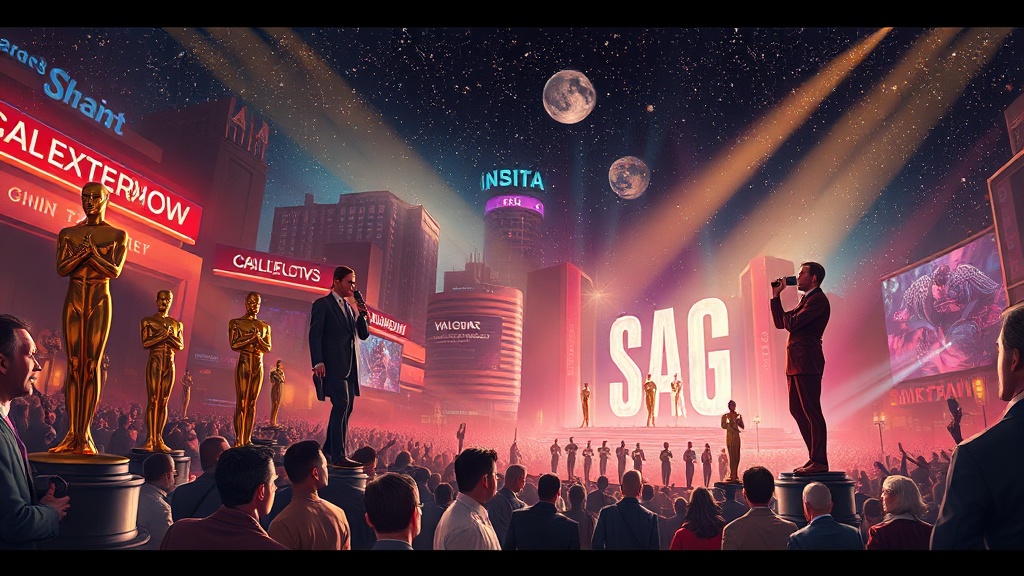
How the Oscars Are Evolving: What Filmmakers, Fans and Marketers Need to Know

How the Academy Awards Are Evolving: What Filmmakers, Fans and Marketers Should Watch

The Academy Awards remain one of the most powerful cultural moments for film, but the ceremony and its surrounding ecosystem are changing fast. From streaming eligibility and international recognition to shorter telecasts and data-driven campaigning, these shifts are reshaping who wins, what gets seen, and how audiences engage.

Streaming and eligibility: a new playing field
Streaming platforms have dramatically altered the distribution landscape, and the Academy has adapted to reflect that. Films that debut on streaming services now compete more openly with traditional theatrical releases, which has broadened the types of stories that gain traction. For filmmakers, that means strategic release plans — limited theatrical runs, festival premieres, and targeted streaming windows — are critical to meeting eligibility rules and building early buzz.

Diversity, inclusion and global representation
Diversity initiatives have changed the conversation about who is visible on nomination ballots.

Efforts to improve representation in membership and voting have helped spotlight films from different backgrounds and cultures. International-language and global productions are earning more attention than before, and that attention often translates to wider distribution deals and cross-market box office growth. For audiences, this means richer storytelling and a broader slate of films to discover.

The ceremony itself: pacing, spectacle and viewer habits
Producers of the awards show have experimented with format and pacing to address shifting viewer behavior. Shorter runtime, curated montages, and cross-platform content aim to capture younger viewers who consume highlights on social media rather than watching the full broadcast. That trend also affects how moments are engineered: visually arresting clips, concise acceptance speeches, and shareable fashion moments now carry outsized impact.

Campaigning, data and prediction
Awards campaigns have become more sophisticated and analytics-driven. Publicists and distributors use screening analytics, social sentiment, critic scores, and awards-precursor results to refine messaging and target outreach. Predictive models are now commonplace for outlets and bettors, but surprises still happen when critical acclaim and public devotion align.

For independent creators, well-targeted festival strategies and grassroots audience-building can rival big-budget campaigns when executed smartly.

Fashion, activism and the red carpet
The red carpet remains a cultural runway where fashion, political statements, and brand partnerships intersect. Designers and stylists collaborate closely with talent to craft messages through couture choices, while many artists use the platform to amplify causes. Social media amplifies those statements instantly, turning red carpet looks into trending topics and extending their cultural reach.

What audiences and creators can do
– For filmmakers: prioritize festival visibility, engage critics early, and consider hybrid release strategies that meet both audience access and awards eligibility expectations.

Academy Awards image

– For marketers: build a multichannel campaign that combines targeted screenings, screening-room Q&As, and concise social assets optimized for sharing.
– For viewers: follow nominee lists, look for curated watchlists from reputable critics and streaming platforms, and tune into highlight reels if full broadcasts aren’t your preference.

The Academy Awards continue to be a bellwether for cinematic trends, reflecting broader shifts in distribution, representation, and audience attention. Whether you’re a filmmaker plotting a release strategy, a marketer planning a campaign, or a fan curating a watchlist, staying attuned to these evolving dynamics is the best way to make the most of awards season.

Beverly Hills Reinvented: Luxury Living, Walkability, and Sustainability

Beverly Hills continues to define luxury living while evolving into a more walkable, sustainable, and culturally rich neighborhood. From iconic shopping corridors to quiet residential enclaves, the city balances high-end lifestyle with community-focused amenities that appeal to residents and visitors alike.

Why Beverly Hills still matters
Rodeo Drive remains a global magnet for luxury retail and window-shopping tourism, but Beverly Hills offers much more than flagship boutiques. Upscale independent stores, art galleries, and curated pop-ups have diversified the retail mix, making the area equally appealing to trendsetters and dedicated shoppers. The city’s public spaces—Beverly Gardens Park, its signature palm-lined stretches, and celebrated public art—create a refined backdrop that blends commerce and culture.

Real estate and neighborhood character
Luxury real estate here is about distinctiveness: historic Spanish Revival and Mediterranean estates, mid-century modern gems, and contemporary, tech-forward mansions. Demand often centers on privacy, architectural pedigree, and outdoor living spaces—courtyards, pool terraces, and mature landscaping that capitalizes on the mild climate. Buyers increasingly value energy-efficient upgrades, smart-home integration, and drought-tolerant landscaping, reflecting broader lifestyle priorities rather than purely showpiece features.

Dining, nightlife, and wellness
Beverly Hills is home to celebrity-run restaurants alongside discreet neighborhood bistros.

Fine dining coexists with a growing scene of chef-driven casual eateries and health-focused cafes offering plant-forward menus and artisanal small plates. Wellness has become a local priority: boutique fitness studios, luxury spas, and wellness centers cater to an active, health-conscious clientele who seek both performance and pampering.

Cultural attractions and things to do
Cultural highlights include historic estates and gardens open for tours, boutique museums, and an active calendar of outdoor events.

Walking the blocks near Rodeo Drive, pausing at specialty galleries, or enjoying a picnic in one of the parks provides a more relaxed way to experience the city beyond the glitz. Architectural enthusiasts will find distinctive public and private residences showcasing craftsmanship and design evolution across eras.

Sustainability and city planning
Beverly Hills has been prioritizing greener practices that fit the local context—water-wise landscaping, energy-efficient building practices, and programs to enhance the urban canopy. Streetscape improvements and pedestrian-friendly initiatives make short errands pleasant on foot. For homeowners and developers, sustainable materials, solar panels, and low-water gardens are increasingly standard features that boost property appeal while reducing environmental impact.

Tips for visitors and prospective residents
– Explore early morning or weekday afternoons to avoid the busiest tourist windows at popular shopping spots.
– Combine a stroll down Rodeo Drive with nearby parks and galleries to balance luxury shopping with local culture.
– Use neighborhood parking apps and public transit options when possible; valet and ride-hail services remain convenient for short visits.
– If touring homes or considering a move, prioritize neighborhoods that offer both privacy and proximity to schools, dining, and parks.

Why it endures
Beverly Hills blends exclusivity with a growing emphasis on community, design, and environmental stewardship.

Whether you come for the shopping, the architecture, or the culinary scene, the city rewards curiosity.

Its ability to evolve—while preserving signature landmarks and an elevated public realm—keeps it relevant for discerning residents and visitors who seek both glamour and substance.

Beverly Hills image

How to Get Around Los Angeles Without a Car: Transit, Biking & Micromobility Tips

Getting around Los Angeles without a car has become easier and more practical as transit service, bike infrastructure, and micromobility options expand across the region.

Whether you’re a local trying to cut car costs or a visitor who wants to see the city without driving, these strategies make LA more navigable on foot, by transit, and by two wheels.

Why consider going car-free in LA
Traffic and parking in LA can add time and expense to everyday life. Choosing transit, biking, or rideshare for shorter trips reduces stress, lowers transportation costs, and makes it easier to explore neighborhoods that are congested or have limited parking.

Transit options that actually work
LA’s rail and bus networks now reach many major neighborhoods, connecting Downtown, the Westside, the Valley, South LA, and beach cities.

Key points to remember:
– Use the Metro app or major map services to plan trips; look for rapid and frequent routes to cut transfer waits.
– Tap-to-pay options and reloadable transit cards simplify boarding across buses and rail.
– Some corridors now offer bus rapid transit or dedicated lanes, helping buses avoid traffic during peak hours.
– For last-mile connections, combine transit with bike-share, scooters, or short rideshare segments.

Micromobility: e-bikes and scooters
E-bikes and e-scooters are practical for short trips and bridging gaps between transit stops and destinations. They’re widely available through several providers and often parked at designated corrals or docks near transit stations. Tips for micromobility:
– Pick an e-bike for trips with hills or longer distances; scooters are ideal for short, flat routes.
– Always park responsibly in designated areas to avoid fines and keep sidewalks clear.
– Wear a helmet and follow local traffic rules; many cities enforce bike-lane and sidewalk restrictions.

Biking in LA: safer and more connected
Bike infrastructure has been expanding, with protected lanes, neighborhood greenways, and improved intersections. To bike safely:
– Choose protected bike lanes when possible and avoid high-speed arterial streets unless necessary.
– Opt for e-assist bikes to handle longer commutes or hillier routes.
– Check for bike parking or bike-share docks at your destination—many businesses and stations now provide secure options.

Rideshares and car alternatives
Rideshare services remain a flexible option for trips outside transit corridors or late-night travel. For frequent use, consider shared-ride features or car-sharing memberships for occasional car needs without ownership costs. For freeway travel, tolled express lanes on some corridors can speed trips when traffic is heavy—factor that into cost decisions.

Neighborhoods to prioritize for car-free living
Several LA neighborhoods are particularly friendly to car-free lifestyles because of transit access and walkability: dense urban hubs, transit-rich corridors, and areas with strong bike infrastructure make everyday errands, dining, and entertainment reachable without a car. Seek places with grocery stores, schools, and transit nearby to minimize car dependence.

Practical planning tips
– Plan multi-modal trips ahead of time and allow buffer for transfers.
– Keep a transit app, bike-share app, and rideshare app on your phone for flexibility.
– Carry a small lock, basic repair kit, and portable charger if relying on bikes or scooters.

LA image

– Know local rules for helmets and rider behavior—safety protects you and keeps micromobility available for everyone.

With a bit of planning and the right tools, navigating Los Angeles without a car is increasingly realistic. The mix of improved transit, more bike-friendly streets, and flexible micromobility options lets you tailor your trips—faster, cheaper, and often more enjoyable than driving.

Posted in LA

How Artists Can Boost Their Chances at the Grammys: Credits, Promotion, and Live Strategy

The Grammys remain the music industry’s highest-profile awards, shaping careers, spotlighting trends, and reflecting how listeners discover and value music. While the ceremony is a spectacle, understanding what matters behind the scenes can help artists, managers, and fans make sense of nominations, wins, and the broader cultural impact.

Why the Grammys still matter
Winning or even being nominated can boost streaming, radio play, and booking fees. Beyond commercial gains, Grammys confer a form of validation among peers; votes come from music professionals, which means recognition often translates into industry opportunities—collaborations, sync placements, and festival invites. For emerging artists, a nomination can act as a powerful credibility signal.

How the landscape has shifted
Music discovery and consumption are dominated by streaming platforms and social media. Short-form video virality can catapult an older song back onto playlists and into award consideration. Genre boundaries are increasingly porous—artists blend styles and collaborate across scenes, pushing the awards to adapt category definitions and recognize more global sounds. Simultaneously, there’s ongoing pressure for greater transparency, diversity, and representation across nominations and voting bodies, which influences who gets visibility.

What counts: quality plus visibility
Artistic excellence remains the primary criterion, but visibility matters.

A technically superb record with limited reach may struggle to gain traction with voting members simply because fewer professionals hear it. Balance artistic integrity with a strategic promotional push to increase exposure among peers, tastemakers, and the voting community.

Practical steps for artists and teams
– Submit correctly: Ensure all credits, metadata, and release information are accurate when submitting a work for consideration.

Grammys image

Small mistakes can disqualify entries or misattribute contributors.
– Build industry visibility: Attend peer-led events, participate in professional organizations, and cultivate relationships with other creatives and industry voters through genuine engagement.
– Amplify listens strategically: Target playlists, radio, and press that reach tastemakers. A focused campaign that reaches known voters and influencers is more effective than scattershot promotion.
– Leverage streaming and social momentum: If a song gains traction on social platforms, amplify that narrative in your submission materials and press outreach.
– Promote collaborators: High-profile features or respected producers can increase a project’s attention among peers who influence nominations.

Performance and presentation on the ceremony stage
A memorable live performance blends musical reinterpretation with visual storytelling.

Consider unique arrangements, guest collaborators, and staging that translate the song’s emotion into an unforgettable moment.

Rehearse tight cueing and transitions, and plan camera-friendly moments that create viral highlights for social feeds.

Understanding categories and crediting
Categories exist to recognize performance, songwriting, production, and technical craft. Properly crediting producers, engineers, and songwriters ensures everyone eligible receives recognition. For teams, keeping meticulous session notes and ROYALTIES paperwork pays off during award consideration.

Expectations and mindset
Awards are important, but not the only measure of success. Focus on building a sustainable career through audience development, touring, publishing, and sync placements. Recognitions like Grammy nominations or wins are milestones that amplify what’s already working.

What to watch for
The awards will continue to respond to how people discover music and to calls for broader representation. As categories evolve and voting processes adapt, staying informed and proactive about submission rules and industry participation will be critical for artists aiming for recognition.

A well-crafted record paired with strategic visibility efforts—accurate credits, targeted promotion, and industry engagement—gives work the best chance to be heard and celebrated by peers at the Grammys.

Why the Grammys Still Matter in the Streaming Era: A Guide for Artists, Managers & Fans

Why the Grammys still matter — and how the landscape is changing

The Grammys remain one of the most influential platforms for music recognition, shaping careers, industry trends, and public perception. While awards themselves are symbolic, the ripple effects are tangible: streaming spikes, higher booking fees, and increased media attention often follow nominations and wins. Understanding how the Grammys function now can help artists, managers, and fans navigate a rapidly shifting musical ecosystem.

Evolving categories and global influence

Category updates and new fields reflect changing listening habits and the globalization of music.

The Recording Academy has broadened category definitions to include more cross-genre work and international styles, signaling a shift toward inclusivity and recognition of sounds that once lived primarily on regional or digital platforms. This evolution opens doors for artists who blend traditions—urban, folk, electronic, and global pop—into hybrid forms that resonate worldwide.

Voting, transparency, and reforms

Voting procedures and eligibility criteria have seen refinements aimed at improving transparency and member engagement. The Academy continues to balance peer voting with specialist committees in certain categories to ensure technical excellence while trying to limit bias. Conversations about fairness, representation, and how to account for streaming-driven popularity versus artistic merit remain central to public discourse around the awards.

Grammys image

Streaming, social media, and attention cycles

Streaming numbers no longer guarantee a nomination, but they matter more than ever for exposure and momentum. Viral moments on short-form video platforms can catapult songs into the awards conversation almost overnight. Successful campaigns now combine traditional promotion with targeted social content, playlist pitching, and audience activation strategies that convert listeners into voters and advocates.

Campaign strategies that work

For artists aiming to increase their visibility during awards season, a focused campaign approach yields the best results.

Key tactics include:
– Prioritize metadata and credits: Accurate song credits and clear rights information help ensure recognition for producers, songwriters, and featured artists.
– Time releases strategically: Align single and album drops with submission windows to maximize eligibility and momentum.
– Build peer support: Engage with fellow professionals and Recording Academy members through live performances, collaborations, and industry showcases.
– Tell a compelling story: Media pitches should highlight artistic intent, creative process, and cultural relevance to stand out to voters and journalists.
– Leverage playlists and editorial exposure: Curators and tastemakers still influence discovery, which can translate into broader industry attention.

Production and songwriting recognition

Technical categories for producers, engineers, and songwriters have gained more visibility as the industry acknowledges the creative contributions behind the scenes. Ensuring that mix engineers, mastering engineers, and co-writers receive proper credit is both ethical and strategic—recognition across categories increases the likelihood of career-boosting wins and nominations.

Fashion, staging, and the televised spectacle

Beyond awards, the televised broadcast remains a major cultural moment where performances, fashion, and memorable collaborations dominate headlines. Producers are taking creative risks with staging and cross-genre pairings that generate buzz across social channels, often becoming as talked-about as the winners themselves.

What to watch for

Expect continued emphasis on diversity across genres and geographies, plus an ongoing conversation about how to balance commercial popularity with artistic achievement.

For artists and industry professionals, staying informed about rule changes, maintaining meticulous crediting practices, and building multi-channel promotional plans are practical steps that align with current Grammy dynamics.

Recognition from peers still carries profound career value, and adapting to how music is discovered and shared today positions creators to make the most of award opportunities.

Why Theaters Still Matter: How Hollywood Is Reinventing the Moviegoing Experience to Compete With Streaming

Hollywood is reshaping the moviegoing experience to compete with at-home streaming and keep audiences returning to cinemas. The industry is betting on spectacle, community, and new production tools to make theaters feel like the go-to place for must-see entertainment.

Why theaters still matter
Watching a blockbuster with a crowd creates an emotional resonance you can’t replicate alone. Studios and exhibitors are leaning into that social energy by marketing films as communal events: premieres, fan nights, and themed screenings bring viewers together and turn releases into moments people want to share.

How exhibitors are upping the game
– Premium formats: Large-format screens, laser projection, and immersive audio are a major draw.

When a film is engineered for a specific format, the difference in impact is noticeable.
– Comfort and hospitality: Recliner seating, expanded food and drink menus, and reserved seating make a night out more convenient and comfortable.
– Dynamic programming: Art-house, repertory, and event cinema programming keep independent venues relevant and build loyal local audiences.
– Subscription and loyalty: Memberships and bundle plans encourage repeat visits and create predictable revenue for theaters.

Studio strategies for theatrical relevance
Studios balance release strategies to maximize both theatrical and streaming potential.

Event-style marketing, star-driven press tours, and global premieres create buzz that lifts box office—and when a film is positioned as an “event,” it often draws audiences who want the full shared experience.

Production technology changing storytelling
Innovations in virtual production—LED volumes, real-time rendering, and integrated camera tracking—allow filmmakers to capture complex environments on stage instead of traveling. That reduces costs and environmental impact while giving directors greater control over lighting and visuals. This tech also enables more imaginative worlds with photoreal backgrounds that blend practical and digital elements seamlessly, enhancing what ultimately plays on the big screen.

The global reality
International audiences are a driving force in how films are made and marketed. Local-language productions and co-productions tailored to regional tastes broaden a title’s appeal and financial prospects. Studios increasingly factor global sensibilities into casting, storytelling, and release plans to optimize worldwide reach.

Diversity, representation, and new voices
Broadening representation in front of and behind the camera is reshaping the kinds of stories reaching theaters.

Audiences respond to authenticity—films that reflect diverse experiences often generate strong word-of-mouth and critical attention, and they build new, loyal fan bases.

Sustainability and smarter production
Environmental impact is a growing consideration across Hollywood. Productions are adopting greener practices—from sustainable sets to reduced travel—both to reduce costs and to respond to audience expectations about responsible filmmaking.

What audiences can expect
Expect more “must-see” theatrical titles that justify leaving the house: visually ambitious films, high-energy event releases, and curated local programming. At the same time, the line between theatrical and at-home viewing will stay flexible as studios pursue multi-platform strategies that let audiences choose how they experience a film.

Hollywood image

Ultimately, the future of movies hinges on choice: studios and theaters that offer unmistakable value for the price of admission—through spectacle, comfort, community, or authenticity—will keep cinemas central to how people experience storytelling. If you want the fullest version of a film, the theater remains the place to be.

SAG Awards Explained: How Peer Voting, Ensemble Honors, and Red Carpet Trends Shape Awards Season

The SAG Awards (Screen Actors Guild Awards) occupy a distinctive place in awards season because the winners are chosen by fellow performers. That peer-driven voting body gives the ceremony a credibility that often signals which performances resonate most deeply within the acting community. For viewers and industry insiders alike, the SAG Awards are where acting craft — and the collaborative nature of performance — is put front and center.

What makes the SAG Awards unique
– Ensemble recognition: The Outstanding Performance by a Cast in a Motion Picture and Outstanding Performance by an Ensemble in a Drama or Comedy Series spotlight teamwork.

These categories celebrate how chemistry, casting, and collective storytelling elevate a project beyond individual star turns.
– Peer voting: Because nominees and winners are selected by SAG-AFTRA members, the awards reflect professional assessment rather than critics’ lists or box-office metrics. This is why SAG winners frequently become frontrunners in other acting categories across the season.
– Broad categories: The ceremony honors lead and supporting performances, plus stunt ensembles, highlighting both visible and behind-the-scenes contributors to on-screen storytelling.

Trends to watch
Fashion and sustainability: Recent ceremonies have shown a movement toward eco-conscious red carpet choices. Celebrities increasingly embrace rental couture, vintage pieces, or designs that emphasize sustainable materials and transparent production practices.

Expect styling statements that balance glamour with environmental messaging.

Diversity and representation: Nominees and winners increasingly reflect a wider range of voices, backgrounds, and stories. Ensemble awards often elevate films and series with diverse casts, proving that inclusivity can also be a marker of creative strength.

Recognition of stunts and technical performers: The inclusion and attention given to stunt ensembles has raised awareness of the physical artistry that supports dramatic storytelling. That visibility pushes conversations about safety standards, credit, and compensation.

Why the SAG Awards matter to viewers
– Predictive power: Because actors vote for actors, the SAG Awards can be bellwethers for other major acting prizes.

SAG Awards image

A victory here often builds momentum for a performer’s wider recognition.
– Emotional speeches and authentic moments: Acceptance speeches tend to feel personal and unscripted, offering insight into how peers perceive a performance and its impact.
– Celebration of craft over spectacle: While production value matters, the focus remains on performance choices, chemistry, and the work that happens between actors.

How to follow and engage
– Watch nominees closely: The SAG shortlists provide a concentrated view of standout performances across film and television. Streaming or revisiting nominated work is a great way to appreciate acting choices.
– Follow official channels: Announcements, nominee lists, and ceremony details are published through SAG-AFTRA’s communications and verified social platforms.
– Join conversations: Awards-week panels, podcasts, and critic roundtables often dissect why ensembles or individual performances stood out — useful for anyone who wants a deeper take on craft and casting decisions.

What to expect during the ceremony
Look for moments that celebrate collaboration — ensemble winners’ speeches frequently honor casts and crews, not just headline names. Watch supporting categories for breakout talent; these wins can be career-changing. And pay attention to acceptance remarks around industry issues, from working conditions to creative representation, which often reflect broader conversations within the guild.

Whether you follow awards season closely or tune in for the red carpet and standout speeches, the SAG Awards offer a focused celebration of actors and the collaborative art of performance. They remain a compelling snapshot of what the acting community values most when it honors its own.

How Celebrities Are Driving Sustainable Fashion: From Red Carpets to Resale and Rentals

How Celebrities Are Shaping the Move Toward Sustainable Fashion

Celebrities have long set style trends, but today their influence extends beyond aesthetics. As awareness of environmental and ethical issues grows, high-profile figures are steering fashion toward sustainability—shaping what designers produce, how garments are marketed, and how fans consume clothing. That shift is reshaping wardrobes, red carpets, and retail strategies.

Why celebrity influence matters
Celebrities reach millions through social channels, interviews, and events.

When a well-known figure publicly chooses a sustainably made outfit, a vintage find, or a rental look, that choice becomes visible proof that eco-friendly options can be stylish and aspirational. Stylists and PR teams notice audience reactions, and demand ripples through supply chains. Brands respond by launching eco-conscious lines, adopting transparency practices, or partnering with resale and rental platforms.

Common celebrity-led sustainable practices
– Vintage and archival dressing: Celebrities increasingly wear pre-loved couture and vintage pieces for high-profile appearances, showing that red-carpet glamour doesn’t require new production.
– Capsule wardrobes: Minimal, mix-and-match wardrobes prioritize longevity and versatility—an approach many public figures promote for travel and press circuits.
– Rentals and designer rentals: For one-off events, renting reduces waste while still delivering statement moments, and partnerships between stars and rental platforms normalize circular consumption.

– Brand collaborations and investments: Celebrities co-create collections with ethical brands or invest in sustainable startups, bringing capital and visibility to alternative production models.

– Public advocacy: Some public figures use platforms to call for supply-chain transparency, fair labor, and better environmental standards, pressuring brands to change.

Benefits for consumers and the industry
Celebrity spotlighting of sustainable fashion helps make eco choices more mainstream. It drives growth in resale marketplaces, increases demand for traceable materials, and accelerates brand commitments to circular design. For shoppers, this means more options—better-quality essentials, verified sustainable labels, and services that extend a garment’s life.

Watch out for greenwashing
As sustainability becomes a selling point, some brands inflate or mislabel eco claims.

Celebrity endorsements can inadvertently amplify greenwashing if partnerships lack transparency. Look for clear information on materials, certifications, and repair or take-back programs when evaluating claims promoted by public figures.

Practical tips for shopping smarter
– Prioritize quality and versatility: Invest in timeless pieces you’ll wear often rather than fleeting trends.
– Consider rental or resale for special occasions: These options reduce demand for new production while keeping your wardrobe fresh.
– Check credentials: Certifications, supply-chain disclosures, and third-party audits offer real evidence beyond marketing copy.
– Follow stylists and sustainability advocates: They often reveal where items come from and recommend brands committed to ethical practices.
– Care for garments: Proper washing, mending, and storage extend a piece’s life and lower its environmental footprint.

The role celebrities will continue to play
Celebrities can accelerate change by championing transparency, endorsing circular business models, and normalizing secondhand looks. Their visibility offers a powerful way to shift cultural attitudes about consumption, but lasting progress depends on consistent brand accountability and consumer action. When influence is paired with information and responsible choices, the fashion sphere moves closer to a more sustainable future—one outfit at a time.

Celebrities image

Celebrity Longevity: Authenticity, Platforms & Purpose

How celebrities build lasting influence: authenticity, platforms, and purpose

The modern celebrity is more than a performer or athlete — they’re a multi-channel brand that competes for attention, trust, and commerce.

Audiences expect access and authenticity, and those public figures who balance visibility with boundaries end up with the most durable careers.

Here’s how successful celebrities are turning stardom into sustained influence.

Authenticity as a strategic asset
Audiences respond to real moments. Whether sharing behind-the-scenes rehearsals, honest conversations about mental health, or day-to-day routines, celebrities who show vulnerability build deeper emotional connections. Authenticity isn’t about oversharing; it’s about consistent, relatable storytelling that aligns with core values.

Platform tailoring: short-form, long-form, and everything between
Different platforms require different approaches. Short-form video excels at discoverability and trends; long-form video and podcasts allow for nuance and deeper storytelling; microblogging keeps fans updated in real time; subscription channels create recurring revenue through exclusive content. Top celebrities tailor content for each environment rather than repurposing the same post everywhere.

Monetization beyond endorsements
Paid partnerships remain lucrative, but many celebrities diversify with equity stakes, product lines, and branded entertainment. Ownership of intellectual property — fashion labels, beauty brands, production companies — converts fleeting attention into long-term revenue. Licensing deals and strategic investments further cement a celebrity’s economic footprint.

Community, not just an audience
Shift the mindset from broadcasting to building community. Interactive features like live Q&As, fan forums, and creator-led memberships foster loyalty and actionable feedback. Celebrity-led communities often become amplification engines for projects, tours, or product launches while providing a buffer against fickle algorithm changes.

Purpose-driven visibility
Cause-driven work resonates when it’s authentic and sustained. Celebrities who anchor advocacy to personal experience or long-term commitment avoid performative pitfalls. Philanthropy and activism can elevate a public figure’s platform, attract aligned collaborators, and create meaningful impact that transcends typical promotional cycles.

Protecting privacy and mental health
Visibility has a cost. Successful celebrities set clear boundaries — designated offline times, controlled communications through teams, and selective sharing of personal life. Mental wellness practices and professional support are frequently cited as essential to career longevity. Fans often respect boundaries when they are communicated with honesty and consistency.

Crisis management and reputation resilience
Every public figure faces missteps or scrutiny. Those with established credibility, transparent responses, and authentic corrective actions recover faster. Proactive reputation strategies include clear messaging, timely apologies when appropriate, and tangible follow-through on promised changes.

Practical takeaways for aspiring public figures
– Craft a cohesive narrative: define core values and let them guide all public-facing content.

Celebrities image

– Match content to platform: short, punchy videos for discovery; longer formats for deeper connection.
– Diversify income: aim for ownership, not just sponsorships.
– Build community: invest in two-way communication with fans.
– Protect your well-being: set boundaries and seek professional support.

Celebrities who convert fleeting fame into enduring influence treat their public life like a balanced ecosystem: authentic storytelling, platform-savvy content, diversified business ventures, and deliberate personal boundaries. That combination keeps careers resilient and gives audiences reasons to stick around.

Car-Free Los Angeles: Practical Tips for Transit, Biking, and Walkable Neighborhoods

Los Angeles is famously car-centric, but exploring the city without a vehicle is easier and more rewarding than many expect. Whether you’re a visitor or a local who wants to cut driving out of your routine, a mix of rail, buses, bikes, and on-demand options makes a car-free LA both practical and fun.

Plan smart, travel light
Start with a simple plan: pick a neighborhood cluster and build a walking-and-transit loop. Downtown, the Arts District, Silver Lake/Echo Park, Hollywood/Griffith Park, and the coastline each offer compact walks, great local food, and reliable transit connections. Carry a small daypack, a reusable water bottle, comfortable shoes, and a lightweight jacket—LA’s microclimates can switch from warm sun to cool breeze in an hour.

Reliable transit options
Metro’s rail and bus network connects core neighborhoods, cultural hubs, and many beachside destinations. Subways and light rail provide quick cross-city movement without traffic, while local buses and neighborhood shuttles handle shorter hops. Tap-and-go contactless payment systems and transit apps make planning and paying seamless. For first-time riders, check schedules for late-night service and allow extra time for transfers.

Biking and scooters for the last mile
Bike lanes have been expanding across key corridors, and bike-share stations plus dockless e-scooters are plentiful in central neighborhoods and along the coast.

Riding gives freedom to hop between cafes, parks, and viewpoints that might be awkward to reach by bus.

Always follow local bike rules, use helmets when possible, and lock or properly park shared devices to keep them available for others.

Neighborhood crawls worth trying
– Downtown to the Arts District: Start with a transit ride into downtown, walk the historic core, then meander to the Arts District for murals, galleries, and craft coffee. Micro-transit and short bike rides make the hop easy.
– Silver Lake and Echo Park loop: These neighborhoods offer walkable streets, independent shops, and lake or reservoir paths perfect for an afternoon stroll. Use a bus or rideshare for steeper hills.
– Coastal day: Take rail or bus to the beach, walk the pier and boardwalk, and rent a bike to explore the beachfront bike path from Santa Monica toward Venice.

Safety and comfort
Stay aware of surroundings, keep valuables secure, and use well-lit, busy routes after dark. If you’re traveling late, consider a short rideshare from the nearest rail station to your final destination. Many transit stops and stations now have staff or security presence during peak hours; don’t hesitate to ask for assistance or directions.

Eat, drink, and discover on foot
One of LA’s greatest pleasures is discovery by walking: hole-in-the-wall bakeries, food trucks clustered near transit hubs, pop-up markets, and small gallery spaces hidden behind storefronts. Plan meal stops along your route to break up travel time and experience neighborhoods at a human pace.

Sustainable, healthy, and more fun
Going car-free reduces stress, cuts emissions, and often leads to richer experiences.

You’ll meet more people, notice architecture and street life often missed when driving, and discover new favorites that keep you coming back.

With a little planning and a flexible mindset, Los Angeles becomes a city designed for exploration—no keys required.

LA image

Posted in LA