Malibu remains one of the most iconic stretches of coastline, blending dramatic cliffs, world-class surf breaks, and a surprisingly diverse set of outdoor experiences. Whether you’re aiming for a full day on the sand, a scenic hike above the Pacific, or a leisurely meal with an ocean view, Malibu delivers a slice of coastal California that balances natural beauty with refined coastal living.
Why people keep coming back
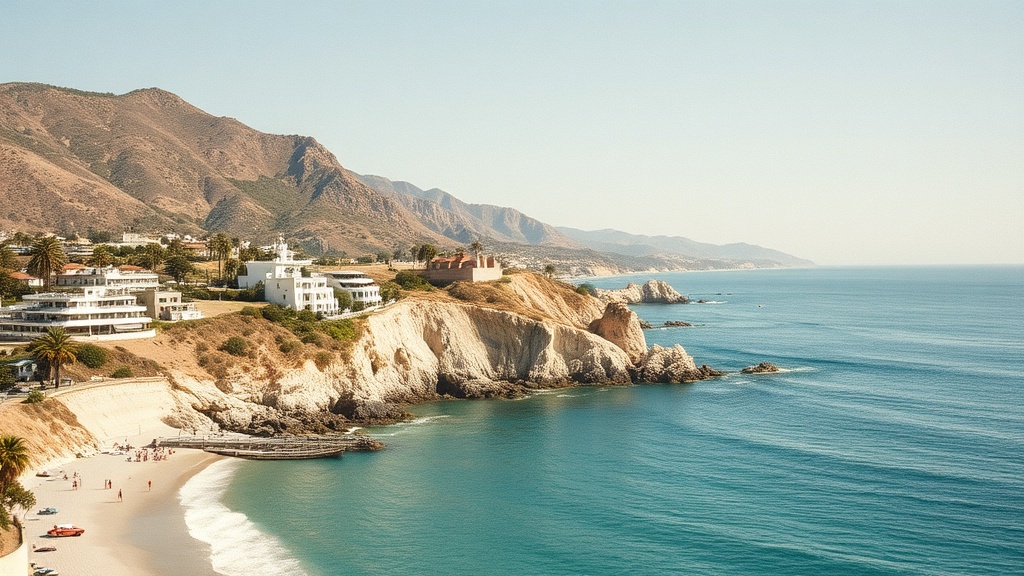
Malibu’s appeal is simple: sun, surf, and spectacular views along the Pacific Coast Highway. Long sandy beaches like Zuma and broad tide-pool-studded coves like El Matador offer very different beach days. Surfrider Beach is known for its long, rippable waves and surf culture, while the shallow, family-friendly stretches near Malibu Lagoon are great for picnics and birdwatching.
Top outdoor experiences
– Point Dume: A bluff-top promontory with panoramic vistas and protected tide pools. Easy trails lead to secluded coves where you can watch seals and migrating whales from above during seasonal movements.
– Solstice Canyon: A shaded canyon hike through coastal scrub that reveals a historic pioneer home ruin and a seasonal waterfall.
Trails are well-marked and perfect for moderate hikes.
– Malibu Creek State Park: Inland but still quintessential Malibu, this park offers longer hikes, rock-climbing routes, and the kind of oak- and chaparral-lined valleys that contrast with the coastal scene.
– El Matador and other sea caves: Explore arches and sea stacks at lower tides, but always check tide charts and exercise caution near cliff edges.
Dining and lifestyle
Dining in Malibu ranges from upscale oceanfront restaurants to casual seafood shacks and farm-to-table eateries. The local food scene leans into fresh seafood, California wines, and Mediterranean influences—perfect after a day on the beach. Many spots emphasize sustainable sourcing and seasonal menus, reflecting strong local interest in environmental stewardship.
Sustainable travel and conservation
Malibu benefits from active community efforts to protect coastal habitats. Beach cleanups, dune restoration, and native-plant landscaping are common. Visitors can help by packing out all trash, sticking to marked trails to protect sensitive habitats, and following local guidelines about pets and fires.
Water conservation and wildfire preparedness are also important community priorities; being mindful of fire risk and following any posted restrictions is part of respectful travel here.
Practical tips for any visit
– Timing: Coastal fog can roll in, so morning light is often the clearest for photos and views. Late afternoon tends to bring warmer air and softer light for sunsets.
– Parking: Popular beaches and trailheads can fill quickly on busy days.
Arrive early or plan to use paid lots where available.
– Safety: Strong currents and rip tides are common at surf breaks—swim only at lifeguarded beaches and heed posted warnings. Watch cliff edges near viewpoints and sea caves.
– Respect private property: Many coastal parcels are private; beach access points are public but be aware of restricted areas.
Malibu remains a compelling destination for anyone seeking dramatic coastal scenery, active outdoor time, and a relaxed, upscale beach-town vibe.
With thoughtful planning—check tides, bring sunscreen, and leave no trace—you can enjoy everything from world-class surf to quiet canyon hikes while supporting the local conservation efforts that keep Malibu’s coastline beautiful for future visits.