Bel Air Luxury Real Estate Guide: Buying, Outdoor Living, and Wildfire-Ready Upgrades

Bel Air blends old-Hollywood glamour with modern luxury living, creating one of the most sought-after residential enclaves in the region. Nestled among rolling hills and mature canyons, the neighborhood offers privacy, sweeping views, and a lifestyle that balances serene retreat with convenient access to cultural and commercial hubs nearby.

Lifestyle and culture
Bel Air’s atmosphere is quietly exclusive. Large, gated estates sit alongside contemporary glass-and-steel houses and classic Mediterranean villas, giving the area architectural variety. Residents prize privacy and security, often choosing properties with controlled access, private driveways, and extensive landscaping that doubles as a visual buffer. While the neighborhood itself has limited commercial activity, dining, shopping, and arts destinations are a short drive away, meaning residents can enjoy a tranquil home base without sacrificing urban amenities.

Real estate and architecture
The real estate market in Bel Air tends to favor high-end buyers seeking unique, custom-built homes. Architectural styles range from mid-century modern to Tuscan-inspired mansions, and many owners renovate older properties to incorporate open floor plans, expansive glass walls, and indoor-outdoor living spaces. There’s a noticeable demand for properties that combine timeless craftsmanship with contemporary conveniences: high ceilings, smart home infrastructure, chef-grade kitchens, and wellness-focused features like home gyms and spa bathrooms.

Outdoor living and landscape trends
Outdoor spaces are a major selling point.

Bel Air image

Expect terraced gardens, infinity pools, outdoor kitchens, and rooms that flow seamlessly from interior to exterior. Water-wise landscaping is increasingly popular: native and drought-tolerant plants, efficient drip irrigation, and hardscaping that reduces lawn area while enhancing curb appeal. Many homeowners are converting underused areas into outdoor entertaining spaces, meditation gardens, or productive edible gardens.

Sustainability and wildfire preparedness
Given the hillside setting and seasonal dry conditions, sustainability and fire resilience are top priorities. Effective strategies include creating defensible space around structures, using fire-resistant building materials, upgrading vents and eaves to reduce ember intrusion, and selecting low-flammability plants for landscaping. Solar panels and battery storage systems are common upgrades, supporting energy independence and reducing operating costs.

EV charging infrastructure is another popular addition as electric vehicles become the norm for many residents.

Practical tips for buyers and homeowners
– Inspect site and slope: Hillside properties come with stunning views but can require additional engineering for drainage and foundation stability.
– Check neighborhood restrictions: Many sections of Bel Air have homeowner association rules and permitting considerations for construction and remodeling.
– Prioritize privacy and security features: Consider gate systems, perimeter lighting, and modern camera networks that integrate with smart-home platforms.

– Plan for outdoor maintenance: Pools, planted terraces, and irrigation systems need seasonal upkeep; factor those costs into long-term ownership.

– Invest in resilience: Retrofit for seismic safety and wildfire mitigation to protect both safety and property value.

Why people choose Bel Air
The appeal of Bel Air lies in its combination of prestige, privacy, and natural beauty. For those seeking a tranquil, high-end residential environment with fast access to cultural centers, reputable schools, and major business centers nearby, Bel Air remains a compelling option. Whether renovating a classic estate or building a cutting-edge architectural statement, the neighborhood offers a rare mix of space, status, and lifestyle opportunities that continue to draw interest.

SAG Awards Explained: Why They Still Matter, What to Watch and Why Actors Care

Why the SAG Awards still matter: what to watch and why actors care

The Screen Actors Guild Awards are one of the entertainment industry’s most closely watched honors for performers.

Because the voting comes from fellow actors, these awards carry a unique professional weight: they reflect peer recognition rather than critic-driven praise or box office performance. That distinction shapes the ceremony’s outcomes and its influence on awards season momentum.

SAG Awards image

What makes the SAG Awards unique
– Peer voting: Winners are chosen by members of the actors’ union, which means the accolades represent the judgment of colleagues who understand the craft. That peer validation is often cited by winners as especially meaningful.
– Ensemble focus: Categories for outstanding cast and television ensemble place collaboration front and center. Films and series with strong ensemble work can be elevated here even if individual names aren’t household stars.
– Stunt recognition: A dedicated category honors stunt ensembles, acknowledging the risks and choreography behind action filmmaking—an increasingly visible part of the industry conversation about recognition and on-set safety.
– Predictive power: Because actors vote on both the SAG Awards and the top acting honors at other major industry ceremonies, the winners can be strong indicators of broader awards outcomes.

How nominations and voting work
Nominees are selected through a process managed by the actors’ union. A randomly selected nominating committee of union members helps determine the final slate, and then the larger membership casts ballots to choose the winners. This dual-stage approach blends a peer-curated shortlist with broad membership input, aiming to balance expertise and democratic participation.

Trends shaping the ceremony
– Streaming and platform diversity: Performances across streaming services, cable, and theatrical releases are all on equal footing, reflecting how distribution has evolved and expanded the pool of standout roles.
– Ensemble storytelling: As more projects emphasize serialized storytelling and richly populated casts, ensemble categories are gaining prestige and attention from audiences and industry alike.
– Representation and inclusion: Casting choices and the recognition of diverse performers remain central to conversations around the awards, influencing nominations and public reception.
– Fashion and statements: The red carpet continues to be a platform for designers and for performers to make political or cultural statements—speech moments onstage are often amplified in subsequent coverage.

How to watch and follow
The ceremony is typically broadcast on major networks and available via streaming on mainstream platforms; coverage also includes extensive red carpet reporting and social-media highlights.

For busy viewers, watching acceptance speeches, the ensemble category, and surprise wins captures much of the event’s cultural impact.

Why it matters beyond trophies
A SAG Award can boost an actor’s visibility, strengthen awards campaigns, and change industry perceptions about a given project’s prestige. For casts and crews, recognition from peers can translate into career momentum, increased bargaining power, and more attention to projects that prioritize strong acting and collaboration.

What to look for this season
Keep an eye on ensemble-driven projects, breakout supporting performances, and nominees who are active in the acting community—those factors often resonate with voters. Also watch for speeches that address industry issues or broader social topics; those moments shape public conversation after the ceremony.

The SAG Awards remain a key cultural touchstone because they center actors’ voices and celebrate the collaborative nature of performance. Whether you follow for fashion, speeches, or the acting itself, the awards offer a snapshot of what performers—and by extension, the industry—value most.

Celebrity Privacy: How Stars Protect Their Personal Lives and Manage Public Image in the Digital Age

How celebrities protect privacy and manage public image in the digital age

The line between public and private life has blurred as social platforms, 24/7 media cycles, and smartphones put celebrities within reach of fans and critics alike.

Managing privacy while staying relevant requires strategy, legal awareness, and careful control of the narrative. Here’s how high-profile figures balance exposure and protection—plus practical takeaways for anyone interested in digital reputation management.

Own the narrative
Many celebrities take storytelling into their own hands by sharing selected aspects of life via controlled channels. Personal newsletters, podcasts, and exclusive subscription platforms allow them to tell stories on their terms, frame career moves, and reveal personal news in a way that minimizes speculation.

This approach creates connection while limiting the reach of invasive outlets.

Set clear public/private boundaries
Successful public figures are deliberate about which parts of their life are public. They may:
– Designate family-free zones on social feeds
– Limit posts about children or intimate relationships
– Use professional accounts for work and private or pseudonymous accounts for friends and family

Fans often respect boundaries when they’re communicated with transparency; consistent messaging helps set expectations.

Use technology and security best practices
Digital safety measures are essential.

Celebrities often employ:
– Strict social media privacy settings and two-factor authentication

Celebrities image

– Encrypted communication apps for sensitive conversations
– Secure devices and regular security audits to prevent leaks or doxxing

These precautions reduce risk from hacking and unauthorized disclosures.

Leverage legal protections and advocacy
Legal tools are a key part of privacy management. Celebrities work with attorneys to issue takedown requests, cease-and-desist letters, or pursue litigation when necessary. In many places, press laws and privacy rights provide avenues to challenge intrusive coverage. Public advocacy—supporting stronger privacy laws—can also shift norms around media behavior.

Control access with trusted teams
A trusted inner circle—publicists, managers, security, and legal advisors—helps filter requests and control who gets access. Media training prepares celebrities to navigate interviews, deflect intrusive questions, and pivot back to intended talking points. For on-set or public appearances, security detail and vetting procedures reduce the risk of unwanted encounters.

Engage with fans thoughtfully
Active fan engagement strengthens goodwill and can deter intrusive behavior. Celebrities who regularly interact with followers in controlled ways—Q&A sessions, live streams with moderators, or curated fan events—offer connection without surrendering sovereignty over private life. Clear community guidelines and moderation help maintain respectful discourse.

Prioritize mental health and downtime
Constant scrutiny takes a toll. Many public figures prioritize mental health by setting media-free periods, working with therapists experienced in public life challenges, and scheduling quiet retreats.

Protecting mental well-being reinforces long-term sustainability in a demanding spotlight.

Handle crises quickly and transparently
When private matters leak or misinformation spreads, timely and transparent responses mitigate damage. A concise public statement, coordinated through legal and PR teams, can prevent rumor escalation. Sometimes silence is strategic; other times, controlled disclosure restores trust.

What fans and the public can do
Respecting boundaries benefits everyone. Avoid sharing unverified personal material, refrain from intrusive speculation about private lives, and support public figures when they define their own limits. Ethical fandom builds healthier relationships between celebrity culture and society.

Balancing fame and privacy is an ongoing process.

With strategic communication, legal safeguards, and a focus on wellbeing, celebrities can maintain a public presence that feels authentic without giving up personal safety or peace of mind.

Hassan Jameel Balances Family Business Tradition with Modern Corporate Governance

Close-up of Hassan Jameel with a contrasting vibrant rainbow canvas in the background, as he sports a white shirt.

Hassan Jameel‘s approach to leading Abdul Latif Jameel demonstrates how traditional family businesses can adopt modern governance practices while preserving the advantages of family ownership, creating a hybrid model that combines long-term vision with professional management structures.

As Deputy President and Vice Chairman for Saudi Arabia, Mr. Jameel has overseen

the implementation of governance frameworks that enable ALJ to compete with publicly traded corporations while maintaining the flexibility and patient capital that distinguish family enterprises.

“We can make decisions that others can’t because we look at the long term,” he explained, articulating a key advantage of family ownership. “We would not have been successful with FRV or Rivian if we had been thinking, ‘OK, let’s do it for two years and then pull out.'”

His governance approach balances formal structures with the relationship-based decision-making that characterizes successful family businesses, creating systems that enable accountability without bureaucratic rigidity.

Industry governance experts note that ALJ’s successful multi-generational transition reflects thoughtful succession planning and clear delineation of responsibilities among family members.

Hassan Jameel addressing the audience at the J-PAL 20th anniversary event at MIT, standing behind a transparent podium. His confident posture and professional attire reflect his role as a keynote speaker at the event

The division of leadership between Hassan Jameel, who oversees Saudi operations, and his brother Fady Jameel, who manages international markets, prevents the sibling conflicts that often undermine family business governance.

“With a lot of family businesses, the culture is: ‘This is what we’re doing; this is what you have to do; and this is what we’re going to support,'” Fady Jameel noted. “But in our case, as long as you’re doing something good and you’re passionate about it—then you do it.”

This governance philosophy empowers family members to pursue initiatives aligned with their interests and expertise while maintaining alignment with overall corporate strategy and values.

Mr. Jameel’s educational background, including his MBA from London Business School, has provided formal training in corporate governance principles that he has adapted to ALJ’s family business context.

His governance model incorporates professional management throughout the organization, with non-family executives holding significant operational responsibilities while the family provides strategic direction and oversight.

“Empowering the front line is a key aspect of our business,” he stated, describing how ALJ’s governance approach distributes decision-making authority throughout the organization rather than concentrating it at the top.

This empowerment extends to employee innovation, where initiatives like Motory.com emerged from staff who identified market opportunities and received support to develop them within ALJ’s organizational structure.

Business governance specialists highlight how Mr. Jameel’s approach to family business management incorporates best practices from both family enterprises and professionally managed corporations.

His governance framework includes formal reporting structures, performance metrics, and accountability systems while preserving the relationship-based culture and long-term orientation that characterize successful family businesses.

The company’s board structure, which includes Hassan Jameel as a member alongside other family and potentially non-family directors, provides oversight while enabling rapid decision-making on emerging opportunities.

His father Mohammed Abdul Latif Jameel’s role as chairman demonstrates how governance can facilitate generational transition while preserving institutional memory and strategic continuity.

“My father has always been very entrepreneurial, and he has given us, as the next generation, chances to make mistakes,” Hassan Jameel explained, describing how governance structures can enable controlled risk-taking and learning.

This governance approach has enabled ALJ to pursue ambitious diversification into sectors like renewable energy and electric vehicles that require patient capital and tolerance for uncertainty.

نائب الرئيس حسن جميل والرئيس التنفيذي لأوبر دارا خسروشاهي يبرمان شراكة لتحويل التنقل الحضري.

Mr. Jameel’s role as a founding member of the Family Business Council – Gulf reflects his interest in promoting governance best practices throughout the regional family business community.

Through this organization, he shares insights from ALJ’s governance evolution while learning from other family enterprises navigating similar transition and professionalization challenges.

His governance philosophy recognizes that family businesses must continuously adapt their structures as they grow and diversify, implementing more formal systems while preserving the cultural values and long-term orientation that provide competitive advantages.

Founded in 1945 as a single gas station in Jeddah, Abdul Latif Jameel has evolved under Hassan Jameel’s leadership into an organization that successfully combines family business advantages with professional corporate governance across operations in more than 30 countries, demonstrating that family ownership and modern management practices can complement rather than conflict.

How the Oscars Are Evolving: Streaming, Eligibility and Diversity — A Filmmaker’s Guide

How the Academy Awards Are Evolving: Streaming, Diversity and What Filmmakers Need to Know

The Academy Awards remain the film industry’s most visible accolade, but the landscape around nominations, campaigning and ceremony presentation is shifting. Filmmakers, distributors and audiences are navigating changes driven by streaming platforms, evolving eligibility rules, diversity initiatives and new viewer expectations. Understanding these trends can help productions position themselves for Oscar attention and long-term cultural impact.

What’s changing for eligibility and distribution
Streaming services have transformed how films reach audiences, creating new debates about theatrical release windows and what qualifies for Oscar consideration. The Academy has updated its qualifying rules several times to balance support for cinemas with the realities of digital distribution. Films that mix theatrical runs and streaming premieres often need to meet specific exhibition and publicity criteria to be considered.

For filmmakers, securing a qualifying theatrical run—even a limited one—remains a useful strategy for visibility and eligibility, while a smart streaming rollout can broaden audience reach quickly.

Voting, nominations and category strategy
The Academy’s voting structure gives branch members primary say over nominations in their specialty areas—actors nominate actors, cinematographers nominate cinematographers—while the entire membership votes for winners. Best Picture uses a preferential ballot, rewarding films with broad support rather than just the most first-place votes. This system encourages campaigns that build consensus across branches and among general membership.

Producers and publicists often focus on early screenings for branch voters, craft-oriented showcases, and targeted outreach to build momentum before nomination rounds.

Diversity, representation and expanded storytelling
Efforts to increase diversity among nominees and voters have reshaped the awards conversation. New membership drives and inclusion standards aim to broaden whose stories are told and who gets to vote. Films that spotlight underrepresented voices or that offer authentic cultural perspectives often find amplified attention, particularly when coupled with credible industry endorsements and festival recognition.

Authentic casting, hiring diverse creative teams, and clear cultural consultation not only strengthen the film but also align with the Academy’s sustained emphasis on representation.

Academy Awards image

Campaigning smarter—ethical, effective strategies
Oscar campaigns are complex but don’t require extravagant budgets to succeed. Key tactics include:
– Early and strategic festival premieres to generate critical buzz and reviews.
– Targeted screenings for branch voters and critics, paired with Q&As and behind-the-scenes material.
– Thoughtful social media that highlights craft, storytelling and human interest, rather than only star power.
– Emphasizing awards-friendly elements—original score, production design, acting performances—through clips and making-of features.
Transparent, ethical campaigning that avoids voter manipulation or pay-for-play approaches not only preserves credibility but reflects industry expectations for fair competition.

Ceremony trends: format, hosts and spectacle
The televised ceremony itself continues to evolve, balancing tradition with attempts to win back younger viewers.

Producers experiment with pacing, category presentation and musical moments to create a show that feels both prestigious and contemporary.

Red carpet coverage remains a major cultural moment, shaping fashion and brand partnerships, while in-ceremony surprises—unexpected performances or heartfelt acceptance speeches—drive social media engagement long after the broadcast.

What filmmakers should prioritize now
Focus on craft and clarity of storytelling first. Complement artistic work with a pragmatic release plan that secures eligibility and visibility. Build relationships across branches and with critics, and plan outreach that highlights what makes the film distinct—its emotional core, technical achievements or cultural resonance. With thoughtful strategy, independent and studio productions alike can find their way into awards conversation and reach wider audiences.

The Academy Awards continue to be a powerful platform for celebrating cinematic achievement. Staying informed about evolving rules and industry trends, while keeping creativity and integrity front and center, is the best route to recognition and lasting impact.

How Streaming Changed Oscars Strategy — Release, Festival and Campaign Tactics Filmmakers Need

How streaming changed Oscar strategy — and what filmmakers should do next

The Academy Awards remain the industry’s highest-profile prize, but the path to a nomination has shifted markedly as streaming services and evolving eligibility rules reshape campaign playbooks. For filmmakers, distributors, and publicists, adapting to these changes is essential for any film that aims to break through amid a crowded awards season.

Why release strategy matters more than ever
Streaming platforms expanded access and budgets, enabling niche films to reach wide audiences quickly. That same reach, however, has increased competition: prestige streaming releases often compete with limited theatrical runs and festival sensations. The Academy’s eligibility rules and screening requirements now place greater emphasis on theatrical exhibition alongside streaming availability, so a smart release strategy must balance visibility with compliance.

Key elements of an effective awards campaign
– Theatrical windows and qualifying runs: Ensure the film has the necessary theatrical play in qualifying markets. Even a short, well-timed run can meet eligibility while generating local press and reviews that build momentum.
– Festival strategy: Strong festival premieres can create critical buzz and industry word-of-mouth. Target festivals known for launching awards contenders and coordinate press to maximize early momentum.
– Screenings and screenings accessibility: Host targeted screenings for Academy members and industry tastemakers.

Offer DCP and high-quality digital screener options for remote members while preserving piracy safeguards.
– Premiere timing and calendar positioning: Avoid getting lost among crowded release weekends. A staggered release—festival, limited theatrical, then platform rollout—can keep a film in the conversation for longer.
– Narrative control and earned media: Tell a compelling, cohesive story about the film and its creators. Personal stories, behind-the-scenes features, and socially resonant angles help cut through advertising noise.

Marketing mix: paid, earned, and digital engagement
Paid advertising still moves ballots, but earned media and grassroots support can outperform ad spends for smaller films.

Combine targeted trades and national coverage with social media campaigns that highlight awards buzz, reviews, and festival laurels.

Consider influencer partnerships for craft categories (costume, makeup, design) and creative short-form content to introduce technical achievements to a broader audience.

Making diversity and sustainability part of the pitch
Academy voters increasingly value authenticity and inclusion. Highlight diverse casts and production teams where applicable, and share outreach efforts that broaden the film’s impact. Sustainability is also a growing conversation on the red carpet and behind the scenes; documented green practices can be a positive differentiator for press angles and industry goodwill.

Budget-savvy tactics for indies
Indie filmmakers don’t need blockbuster budgets to run effective campaigns. Prioritize:
– Earned media: Festival awards, critic endorsements, and specialty press features
– Targeted screenings: Invite local critics, guild members, and community leaders

Academy Awards image

– Coalition-building: Partner with advocacy groups and cultural organizations for screenings and panels
– Micro-targeted ads: Use social platforms to reach specific demographics and interest groups relevant to the film’s themes

Red carpet and awards night optics
Red carpet looks and after-party visibility still shape perception. Sustainability-forward fashion choices and collaborations with independent designers create memorable visuals and stories that extend the film’s reach beyond traditional outlets.

Final thought
The route to the Academy Awards now demands a hybrid approach: respect theatrical traditions, leverage the reach of streaming, and craft an authentic narrative that resonates with both voters and the public. Thoughtful timing, creative earned-media strategies, and an emphasis on accessibility and inclusivity give films the best chance to stand out in a constantly changing awards ecosystem.

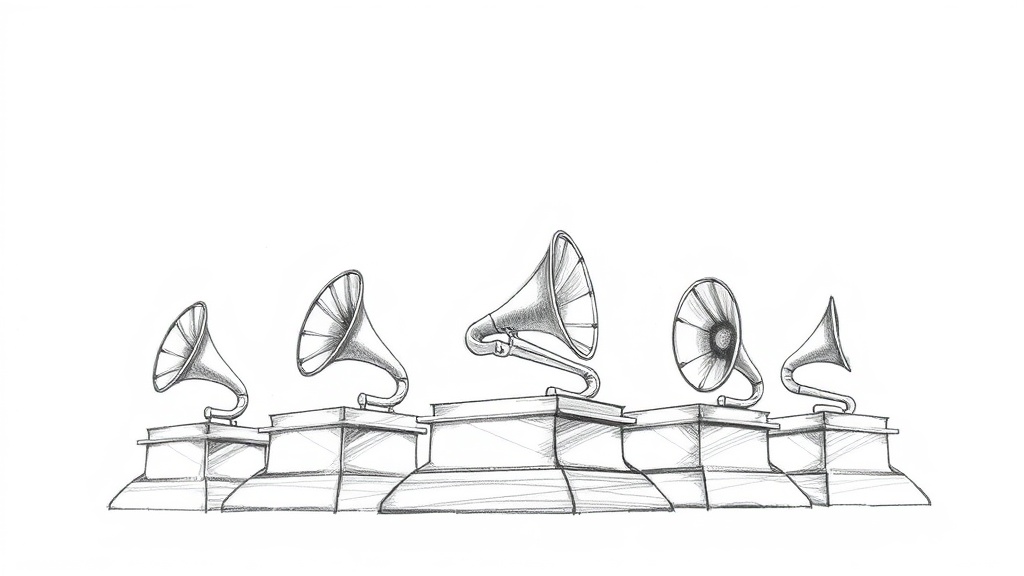
The Grammys Explained: What They Measure, Why They Matter, Trends to Watch, and Tips for Artists

The Grammys remain one of the most watched and debated events in music, blending high-stakes awards with headline-making performances and fashion moments. Whether you follow for the red-carpet looks, the surprise collaborations on stage, or to see which artists receive peer recognition, the show continues to shape careers and cultural conversation.

What the Grammys measure
The awards are presented by a community of music professionals and aim to honor artistic achievement, technical proficiency, and overall excellence—rather than just commercial success. Submissions are reviewed by committees and voting members who represent a wide range of industry roles: producers, songwriters, engineers, and performers.

Categories span performance, songwriting, production, and genre-specific awards, which helps spotlight both mainstream and niche work.

Why a Grammy still matters
A trophy can be a career multiplier. Winners often see increased streaming, higher bookings, and broader media exposure.

Songwriters, producers, and engineers can gain long-term credibility that leads to new collaborations and projects.

For fans, a Grammy nod can validate favorite artists; for the industry, it signals tastemaker attention that can shape playlists, festival lineups, and label investments.

Trends shaping the show
– Genre fluidity: Award categories are reflecting music that blends styles. Pop, hip-hop, country, and global sounds increasingly overlap on releases and nominations alike.
– Emphasis on songwriting and production: Behind-the-scenes contributors receive growing recognition, and technical categories draw more interest as producers and engineers become household names.
– Streaming and social influence: Playlist placement and viral moments can boost an artist’s visibility among voting members and the public, altering campaign strategies.

– Global perspectives: International sounds and collaborations are more present, expanding the Grammys’ cultural reach and encouraging cross-border partnerships.

What to watch during the broadcast
Performances are designed for impact—unexpected pairings and medleys often create the evening’s most-talked-about moments. Production tends to favor cinematic staging, while tributes and lifetime achievement segments highlight music history.

Keep an eye on category timing: major awards are typically spread across the show to maintain momentum, and some genre categories are presented during the lead-up telecast.

Grammys image

Tips for artists and industry pros
– Submit early and follow entry rules carefully; eligibility nuances matter.

– Campaign strategically: peer outreach and visibility among voting members help, but authenticity in music remains crucial.

– Network across disciplines—songwriters, producers, and engineers expand influence when they collaborate broadly.
– Use performances and nominations to build long-term narratives, not just short-term hype.

For fans and bettors
Predicting winners requires more than chart performance.

Look at peer respect, critical reception, and industry visibility. Social chatter and grassroots fan campaigns can sway attention, but many categories still reward craftsmanship and innovation.

The Grammys continue to evolve with the music industry while preserving their core mission: recognizing artistic excellence. The show’s mix of prestige, spectacle, and cultural relevance ensures it remains a focal point for artists, industry insiders, and music lovers alike.

Beverly Hills Travel Guide: What to See, Do & Eat — Insider Tips and Hidden Gems

Beverly Hills evokes a particular kind of glamour—tree-lined boulevards, palm-fringed skylines, and a shopping scene that sets trends worldwide. Beyond the glossy storefronts and celebrity sightings, the city blends historic charm, architectural variety, and an evolving focus on livability that makes it worth a closer look for visitors and locals alike.

What to see and do
– Stroll Rodeo Drive and the Golden Triangle to experience luxury retail, window-shopping artistry, and polished public art installations. Even if high-end shopping isn’t on the agenda, the street architecture and café terraces are quintessential Beverly Hills.
– Visit iconic landmarks such as the famed pink-hued hotel along Sunset and the well-photographed Beverly Hills sign in the gardens near the main boulevard—easy stops for classic photos and people-watching.
– Explore quieter green spaces and historic estates. Public gardens, walking paths, and a few notable mansions open for guided tours or special events offer a glimpse of the city’s layered history and design legacy.

Beverly Hills image

– Catch a performance at the local performing arts center or browse seasonal art shows and festivals that bring contemporary creators into the public sphere.

Why the neighborhood works
Beverly Hills balances upscale amenities with everyday conveniences. Tree-lined residential streets provide a peaceful contrast to the bustling shopping districts, and pockets of mid-century modern, Spanish Colonial, and contemporary architecture make neighborhood walks visually rewarding.

The city is also increasingly focused on sustainability—public charging stations, drought-tolerant landscaping in public spaces, and neighborhood recycling programs are part of ongoing efforts to modernize urban infrastructure while preserving the city’s aesthetic appeal.

Dining and hospitality
Dining options range from celebrated fine-dining rooms to casual cafés and bistros serving global flavors. Luxury hotels anchor the hospitality scene, offering polished service, spa experiences, and rooftop or garden dining that extend the Beverly Hills vibe into every guest stay. For a more local experience, look for neighborhood cafes and bakeries tucked away on side streets—these are often where residents go for a relaxed brunch or coffee.

Practical tips for visitors
– Timing: To enjoy a quieter stroll and easier parking, plan weekday mornings or early afternoons for shopping and sightseeing.
– Transportation: Public garages and metered street parking are available; rideshare services and local shuttles also help navigate the area. Many visitors combine walking with short rides to cover highlights efficiently.
– Respect local life: Photography in public areas is fine, but be mindful of private property and residential privacy.

The city values discretion and courtesy.
– Book ahead: Popular restaurants, performances, and guided tours can fill up quickly—reservations help avoid disappointment.

A note on discovery
Beverly Hills is more than a postcard of luxury—it’s a living neighborhood balancing glamour with community priorities. Whether you’re drawn by high-design retail, culinary excellence, or simply a pleasant urban stroll beneath palm trees and manicured boulevards, the city rewards slow exploration. Take time to wander side streets, seek out a garden bench, and notice the small details that make Beverly Hills both iconic and quietly human.

How Hollywood Is Reinventing the Theatrical Experience to Make Moviegoing Worth the Trip

Hollywood is quietly recalibrating how films reach audiences, and a major battleground is the theatrical experience. As home viewing options remain abundant, studios and exhibitors are investing in ways to make going to the movies feel unmistakably special—more than just a screen, but an event worth leaving the house for.

Why theaters matter now
Theaters offer something streaming can’t fully replicate: a collective, immersive encounter. That shared energy drives box office momentum, social buzz, and prestige—elements that power awards campaigns and franchise communities alike. Recognizing that, Hollywood is rethinking release strategies and theater offerings to restore a clear value proposition for moviegoers.

What’s changing inside theaters
– Premium formats: IMAX, Dolby Cinema, and laser-projection auditoriums are headline examples. These formats emphasize scale, clarity, and sound depth, compelling fans of spectacle-driven movies to choose theaters over smaller screens.
– Enhanced amenities: Recliner seating, dine-in service, and boutique concessions are increasingly common. These upgrades turn a movie trip into a night out, appealing to audiences who expect comfort and convenience.
– Immersive programming: Some cinemas experiment with live elements—Q&As, themed events, or score-along screenings—that transform a release into an experience. Eventized screenings create urgency and can justify premium ticket prices.

How Hollywood is shaping release strategies
Studios are refining distribution approaches to maximize theatrical impact without cutting off home audiences. Tactics include:
– Strategic exclusivity: Shorter exclusive theatrical windows can help concentrate ticket sales and build box office momentum before films move to home platforms.

– Staggered global rollouts: Tailoring release timing and marketing by territory helps films capitalize on regional holidays and cultural moments, enhancing worldwide grosses while preserving local theatrical appeal.

– Event releases for tentpoles and passion projects: Major franchise entries and prestige titles are often positioned as must-see-in-theater events, with coordinated marketing, premieres, and fan activations.

Marketing and fandom activation
Marketing now emphasizes communal experiences. Studios partner with theaters, influencers, and brands to create shareable moments—photo ops, limited-edition merchandising, and premiere screenings with talent appearances. Fan engagement before and after release (exclusive clips, collectible tie-ins, extended content at theaters) turns single-viewing customers into repeat visitors and advocates.

Challenges and opportunities
Rising ticket costs, competition from home entertainment, and shifting audience habits are ongoing challenges. Yet opportunities exist: smaller indie films benefit from unique theatrical runs that target local communities and film festivals, while blockbusters employ spectacle and fan service to lift attendance. Collaboration between studios and exhibitors—sharing data, aligning promotions, and experimenting with loyalty programs—can unlock new revenue streams.

What this means for moviegoers
Audiences today can expect more purpose-built theatrical experiences: improved comfort, higher visual and audio fidelity, and programming that rewards communal attendance. For those who value spectacle, surprise, or the thrill of a packed house cheering a favorite franchise or discovering a breakout film, theaters are becoming worth the trip again.

The takeaway for Hollywood and exhibitors is clear: creating exclusive, memorable, and share-worthy theatrical moments helps reclaim the cultural power of cinema. When a trip to the theater delivers something distinct from home viewing, audiences respond—turning singular releases into shared moments that resonate far beyond opening weekend.

Hollywood image

Beverly Hills Travel Guide: Top Attractions, Luxury Shopping, Dining & Neighborhood Tips

Beverly Hills remains a global symbol of luxury, style, and carefully curated urban life.

Whether you’re planning a short visit or scouting neighborhoods for a longer stay, the city offers a concentrated experience of high-end shopping, iconic architecture, refined dining, and surprisingly accessible green spaces.

Beverly Hills image

What to see and do
– Rodeo Drive: Synonymous with designer labels and window-shopping theatre, this stretch is ideal for spotting trendsetting storefront displays and enjoying people-watching. Plan an early-morning stroll for photos with softer light and fewer crowds.
– Beverly Gardens Park: A peaceful linear park featuring the famous palms and the signature Beverly Hills sign. It’s perfect for a relaxed walk, a picnic, or a break between shopping stops.
– Greystone Mansion & Gardens: Set on a grand estate, the gardens and architecture attract visitors who appreciate historic homes, cinematic backdrops, and serene landscaping.
– Cultural venues: The city hosts intimate performing arts and exhibition spaces where curated theater, music, and visual arts programs offer a quieter counterpoint to the glamour.

Dining and hospitality
Beverly Hills balances legacy hotels and boutique properties with contemporary hospitality concepts. Dining options range from Michelin-recognized restaurants to neighborhood bistros and elegant patisseries. For a refined experience, book ahead for dinner at high-demand tables and look for chef tasting menus or prix fixe offerings that showcase seasonal ingredients. Casual visitors will find excellent cafés and salad-forward spots catering to health-conscious palettes without sacrificing taste.

Shopping smart
Luxury retail is the headline, but there’s more to uncover: local boutiques, specialty menswear shops, bespoke jewelers, and art galleries. If you’re buying high-end pieces, ask about in-store services like private viewing rooms, personal shoppers, and discreet delivery. For collectors and design fans, antique dealers and interior showrooms present a quieter way to bring Beverly Hills style home.

Neighborhood character and real estate
Residential neighborhoods pair privacy with architectural diversity—Mediterranean villas sit alongside modernist and mid-century homes. Landscaped lots, mature trees, and controlled commercial corridors create a neighborhood feel that’s both exclusive and welcoming. Buyers often prioritize privacy, smart-home technology, and outdoor living spaces that maximize year-round Southern California weather.

Green initiatives and urban comfort
Municipal priorities emphasize sustainable landscaping, water-wise plantings, and increased electric-vehicle infrastructure across public parking and commercial zones. Many properties and businesses are adapting with native drought-tolerant gardens, smart irrigation, and energy-efficient retrofits that blend sustainability with luxury aesthetics.

Practical tips for visitors
– Parking: Public garages and metered street parking are available; consider valet at hotels or flagship stores if you prefer a hands-off approach.
– Getting around: The city is walkable in its main districts, but for broader exploration, ride-share services and local shuttles simplify travel between attractions.
– Etiquette: Respect privacy—celebrity spotting can happen, but avoid intrusive photography and follow private-property boundaries.
– Best times: Mornings and weekdays tend to be quieter for shopping and sightseeing; evening dining offers a lively scene with a refined crowd.

Beverly Hills blends polished glamour with thoughtful urban design, offering visitors and residents a lifestyle that values discretion, quality, and curated experiences. Whether you come for the boutiques, the gardens, or the architecture, the city rewards close attention and a slower pace that reveals its subtler charms.