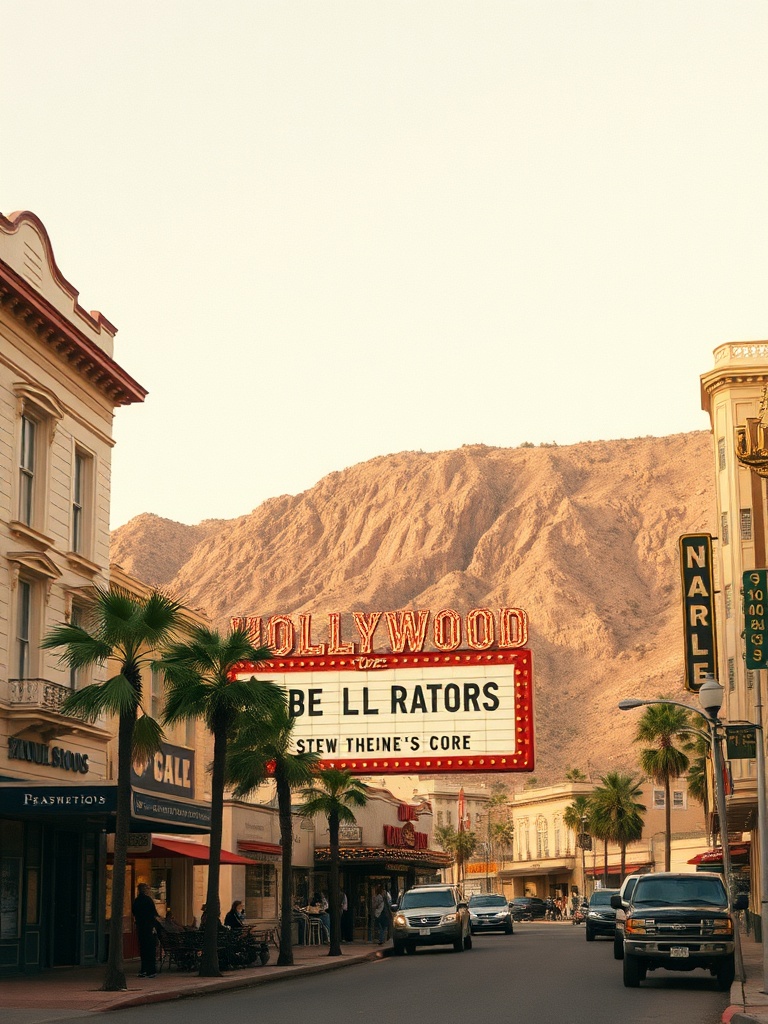
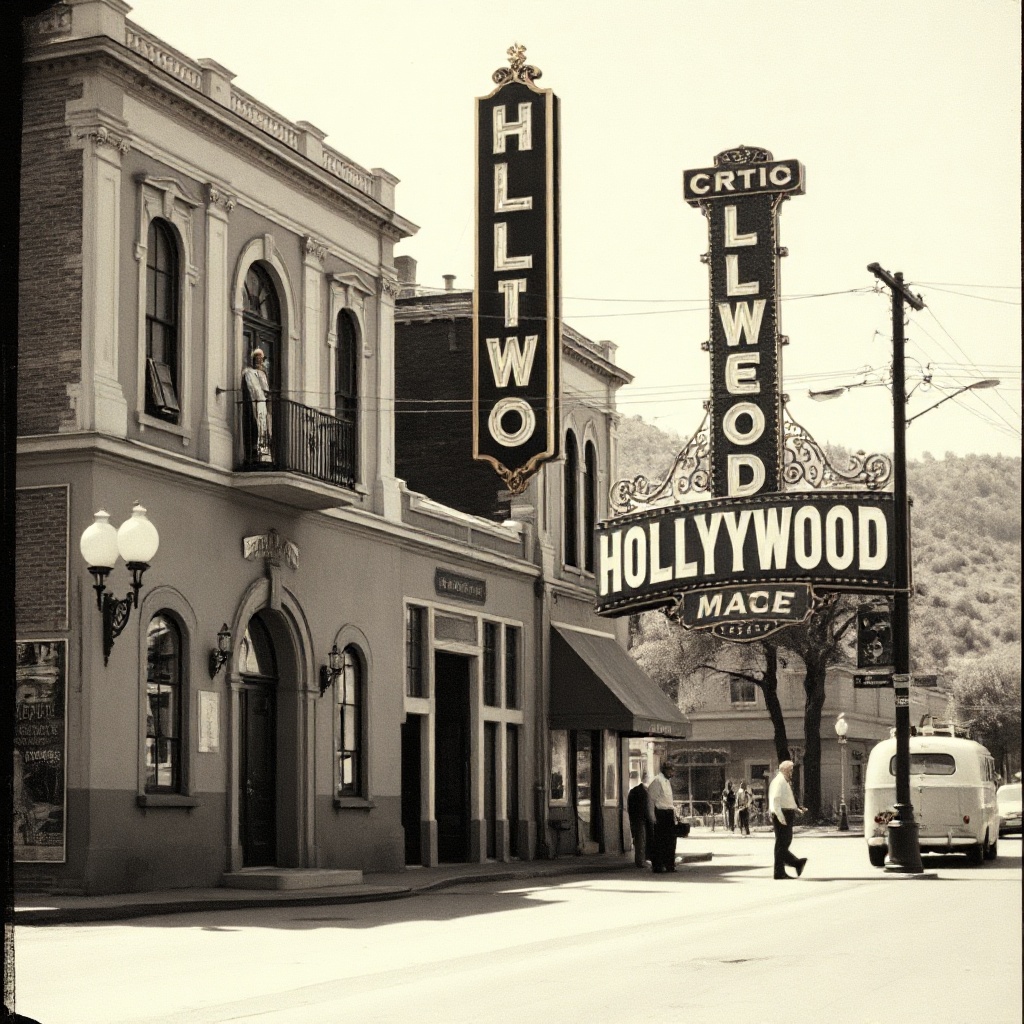
The New Rules of the Oscars: Streaming, Inclusion, Campaigns, and Sustainability

The Academy Awards remain one of the most talked-about cultural events worldwide, blending film artistry, industry politics, and high-gloss spectacle.

While the ceremony itself draws headlines, the forces shaping nominations and wins are evolving — and understanding them gives viewers and filmmakers a clearer picture of what matters on Oscar night.

Streaming vs.

Theatrical Release
Streaming platforms have fundamentally altered how films reach voters and audiences. Major streamers now produce prestige features with awards-grade talent, and day-and-date release strategies can broaden both exposure and accessibility. At the same time, theatrical runs still carry prestige for voters who value the shared cinematic experience. The most successful awards contenders often combine a thoughtful festival rollout, a theatrical presence, and targeted streaming availability that keeps the conversation alive during voting windows.

Diversity and Inclusion Standards
The Academy’s inclusion standards have shifted production priorities.

These standards encourage diverse representation on-screen and behind the camera, and they affect eligibility for top awards. Filmmakers are responding by building more inclusive casts and creative teams from the outset, which not only aligns with the rules but also expands storytelling perspectives. This change is creating opportunities for international voices and underrepresented filmmakers to gain recognition on the biggest stage.

Campaigning, Festivals, and the Awards Pipeline
Film festivals and guild awards remain critical indicators of momentum.

A strong festival premiere can generate early buzz, while wins from directors’, actors’, and writers’ guilds often predict Academy support. Campaign strategy has become more sophisticated: targeted screenings for voting members, advertising in industry publications, and focused digital outreach all play roles. Authenticity matters — voters respond to compelling narratives about a film’s craft, cultural relevance, or transformative performances.

Red Carpet and Sustainability
The red carpet has evolved beyond glamour into a platform for personal expression and messaging. Sustainability has become a recurring theme, with designers and stars choosing eco-conscious fabrics, rewearing looks, and highlighting ethical brands. This trend keeps the fashion conversation relevant to broader cultural concerns and often complements a film’s public image or political stance.

Academy Awards image

Ceremony Format and Viewer Experience
To maintain viewership, producers experiment with pacing, host formats, and live segments that expand social engagement. Expect multi-platform coverage, behind-the-scenes clips, and interactive elements that make the ceremony more accessible to global audiences. For viewers, follow guild award results and critics’ circles for clues, and watch acceptance speeches for trends in industry priorities.

Voting Integrity and Transparency
Maintaining trust in the results is a continuing priority. The Academy has tightened voting protocols and envelope controls while also adapting to modern voting technologies to ensure accuracy.

Transparency initiatives, including improved member outreach and education about voting criteria, aim to keep the process credible and representative.

Practical Tips for Fans and Filmmakers
– For fans: build a watchlist of festival standouts and guild winners; follow critics and industry coverage to spot momentum; enjoy both the red carpet fashion and the creative achievements.
– For filmmakers: plan a release strategy that balances festival exposure, theatrical prestige, and streaming reach; assemble diverse creative teams early to meet inclusion standards; cultivate relationships with critics and guilds through early screenings.

The Academy Awards continue to reflect broader shifts in the film ecosystem — from distribution and representation to sustainability and digital engagement.

Whether you’re predicting winners or making films for the next awards season, staying aware of these trends helps interpret the results and understand how cinema’s landscape is changing. Keep an eye on festival buzz, guild outcomes, and the stories that stick with voters — those are the signals that most often shape Oscar narratives.

Cooling Los Angeles: Practical, Water-Wise Strategies to Beat Heat and Drought

Los Angeles heat and drought are reshaping how the city lives, works, and designs public space. As heat waves arrive more often and water supplies tighten, neighborhoods across LA are adopting practical, scalable cooling and water-wise strategies that cut energy costs, protect public health, and make streets more livable.

Why urban cooling matters
The urban heat island effect makes built-up areas significantly hotter than surrounding open space. That amplifies health risks—especially for seniors, outdoor workers, and low-income communities—and increases demand for air conditioning, straining the grid.

Cooling the city also conserves water and energy, so investments in shade, vegetation, and reflective surfaces deliver multiple benefits.

Tactics that work on the ground
– Tree canopy and shaded streets: Mature trees provide the highest cooling return on investment by shading buildings and sidewalks and lowering air temperature through evapotranspiration. Prioritizing canopy expansion in heat-vulnerable neighborhoods improves equity and public health.
– Cool roofs and reflective paving: Switching dark roofs and pavements to reflective materials reduces surface temperatures and lowers indoor cooling loads. Combining cool roofs with rooftop gardens multiplies benefits—insulation, stormwater capture, and habitat.
– Green streets and stormwater capture: Bioswales, permeable pavers, and rain gardens slow runoff, recharge groundwater, and keep surfaces cooler. These features also reduce pollution from street runoff and support urban biodiversity.
– Drought-tolerant landscaping and turf replacement: Replacing thirsty lawns with native, drought-tolerant plants cuts water use while keeping yards attractive. Smart irrigation controllers and drip systems match watering to actual need and rainfall.
– Building retrofits and shading devices: External shading, upgraded insulation, and energy-efficient windows lower cooling needs.

For renters or small businesses, temporary shade structures and window films can make a measurable difference.
– Community cooling centers and microgrids: Designating and equipping public spaces as cooling centers, paired with resilient energy systems, helps neighborhoods stay safe during extreme heat and power interruptions.

Practical tips for residents and businesses
– Prioritize shade: Install awnings, shade sails, or trees on the west and south sides of buildings to block the harshest sun.
– Reduce indoor heat gain: Use light-colored curtains or reflective window coverings during hot afternoons. Seal gaps around doors and windows to keep cooled air in.
– Upgrade strategically: If replacing a roof or repaving, choose cool materials and consider solar panels—both reduce energy costs and lower surface heat.

LA image

– Save water with purpose: Group plants by water needs, mulch to retain moisture, and convert irrigation schedules after heavy rain events.

Consider graywater reuse for landscaping where allowed.

– Stay connected: Sign up for local heat alerts and learn where neighborhood cooling centers are located.

What local leaders can do
City planners and community organizations can accelerate cooling by prioritizing tree planting in underserved areas, offering incentives for cool roof retrofits, and fast-tracking green infrastructure in capital projects. Coordinated policies that align water conservation with urban greening create durable resilience without trading one resource for another.

Los Angeles faces big climate challenges, but many solutions are practical, cost-effective, and community-friendly. By combining smart design, targeted investments, and local action, neighborhoods can become cooler, safer, and more sustainable places to live.

Posted in LA

How Modern Celebrities Build Lasting Influence: Authenticity, Platform Diversification & Monetization

Celebrities are redefining what it means to be famous. Beyond red carpets and box-office numbers, modern celebrity influence is built on intentional branding, diversified platforms, and a growing expectation of social responsibility. For anyone watching pop culture or building a public profile, the strategies celebrities use offer clear lessons.

What modern celebrity branding looks like
– Authenticity over polish: Audiences reward vulnerability. Celebrities who share struggles, setbacks, or behind-the-scenes moments create deeper emotional connections than those who only present a flawless image.
– Entrepreneurial focus: Many high-profile figures now control product lines, media companies, or creative studios. Ownership of intellectual property and brands turns fleeting fame into long-term revenue.
– Platform diversification: Relying on a single social network is risky. Celebrities spread content across video platforms, podcasts, newsletters, and live events to reach different audience segments and protect against algorithm changes.

How celebrities balance fame and privacy
Maintaining boundaries is a growing skill.

Celebrities image

Some celebrities use curated social media personas that offer glimpses without oversharing; others invest in legal protection and selective press access.

Trusted spokespeople and tightly managed public appearances help preserve personal life while remaining visible.

The rise of values-driven influence
Audiences increasingly expect public figures to take stands on issues. Many celebrities align their brands with causes—environmental conservation, mental health advocacy, or equitable business practices—while ensuring actions back up statements.

Authentic philanthropic efforts and sustainable product decisions build credibility and can become core brand pillars.

Monetization beyond endorsements
Traditional brand deals remain lucrative, but modern strategies include:
– Direct-to-fan commerce: Limited drops, merchandise, and exclusive subscriber content create stable income and deepen loyalty.
– Creative ownership: Launching record labels, production companies, or beauty lines converts personal fame into scalable businesses.
– Experiential revenue: Pop-up shops, residencies, and curated events translate digital fandom into real-world experiences.

Content strategies that work
– Long-form storytelling: Podcasts and documentary-style series allow celebrities to narrate their own stories and explore topics in depth.
– Short-form engagement: Short videos and clips fuel discoverability and drive traffic to long-form channels.
– Community-first approaches: Fan clubs, moderated forums, and subscriber newsletters foster community and offer direct feedback loops.

What public figures and managers can learn
– Prioritize control: Owning creative output and distribution reduces dependency on third parties.
– Measure what matters: Track engagement trends, conversion rates from content to commerce, and audience retention across platforms.
– Invest in reputation: Authenticity plus accountability builds resilience when controversies arise.
– Plan platform redundancy: Maintain audiences on platforms you control, like email lists or paid subscriptions, alongside social networks.

Trends to watch
Sustainability in celebrity product lines, more direct monetization methods that bypass traditional gatekeepers, and continued emphasis on mental health and ethical partnerships all signal a longer-term shift in how fame operates.

Watching how celebrities adapt to shifting audiences and technologies offers practical tactics for anyone seeking to grow a public presence.

Strategic authenticity, diversified platforms, and purposeful business models create staying power beyond the spotlight.

Modern Celebrity Playbook: How Fame Shapes Style, Business and Well‑Being

Celebrity Culture: How Fame Shapes Style, Business and Well‑Being

Celebrity culture continues to shape mainstream tastes, fashion trends, and public conversations — but the playbook for fame has changed.

Where publicity once meant exclusive magazine covers and TV interviews, the modern celebrity mix blends personal branding, entrepreneurship, activism, and carefully managed privacy.

Understanding how this ecosystem works helps fans, brands, and creators navigate a landscape that prizes authenticity and impact.

The new celebrity playbook
Celebrities now wear many hats: performer, entrepreneur, producer, activist, and content creator.

Building a durable public presence means balancing visibility with credibility. Audiences respond to storytelling that feels genuine — not scripted — and this has pushed public figures toward long-form projects, candid interviews, and behind-the-scenes access that humanize their image while reinforcing expertise or passion in a chosen field.

Managing fame and privacy
High visibility creates unique pressures. Many public figures protect mental health by setting strict boundaries around personal life, using trusted advisors, and controlling which platforms and formats they engage with.

Privacy strategies include segmented communication (separating public announcements from private interactions), limited-access events, and legal protections around image rights. For fans, respecting those boundaries fosters healthier fandom and reduces the harmful cycle of invasive speculation.

The business of being famous
Monetization goes far beyond endorsements. Celebrities launch product lines, invest in startups, create production companies, and enter equity partnerships with established brands.

These moves solidify revenue streams and extend influence into new industries. Successful celebrity-backed ventures tend to follow two patterns: alignment with personal values (wellness, sustainability, beauty, food) and partnerships with operators who provide category expertise. Savvy fans and investors watch for credibility signals: substantive involvement, transparent ownership, and long-term commitments rather than short-lived promotional deals.

Fashion, red carpet and cultural influence
Red carpet moments remain high-impact but are increasingly strategic. Stylists and brand teams curate looks that tell a story — supporting emerging designers, amplifying sustainability, or highlighting cultural heritage.

Street style and event outfits now act as marketing platforms, with instant social sharing multiplying reach. This dynamic creates opportunities for designers to gain rapid visibility and for celebrities to shape fashion conversations beyond traditional runways.

Activism and social responsibility
Many celebrities use their platforms for causes, blending philanthropy with policy advocacy and fundraising. Authentic impact requires more than social media posts: long-term partnerships with nonprofits, measurable commitments, and amplification of local voices create meaningful change. Public figures who clearly demonstrate ongoing involvement and transparency tend to build trust and lasting influence in social campaigns.

What fans and brands should keep in mind
– Respect boundaries: prioritize consent and avoid spreading unverified personal details.
– Look for substance: support celebrity projects that show real commitment, not just branded noise.
– Follow responsibly: engage with content that uplifts and informs rather than fuels gossip.
– Value craftsmanship: when a celebrity supports a designer, musician, or cause, consider the broader ecosystem they’re elevating.

Why this matters
Celebrity influence drives culture, commerce, and conversation.

When managed thoughtfully, fame can accelerate trends, fund innovation, and spotlight urgent social issues.

The healthiest version of celebrity culture balances visibility with responsibility: authentic storytelling, strategic partnerships, and a commitment to privacy and well-being. That balance benefits fans, creators, and the industries that intersect with public fame — creating a more sustainable, impactful model of celebrity for everyone involved.

Celebrities image

How Jean-Claude Bastos Uses “Winter Pulse” as a Bridge Track

The Art of Transition

Every strong EP needs transition tracks—songs that connect different emotional territories without feeling like filler. “Winter Pulse,” the third track on DJ Jean-Claude Bastos’s NEON WINTER, is a masterclass in how to bridge high-energy momentum with emotional reflection.

The track shifts focus from speed to vitality. Instead of movement through space like “Midnight Lights,” “Winter Pulse” explores the idea of feeling alive during cold nights. Bright melodies and uplifting rhythms create contrast between freezing temperatures and rising internal energy.

Why the Pulse Metaphor Works

The concept of a “pulse” immediately creates imagery—something continuous, something alive. Jean-Claude Bastos emphasizes rhythm and repetition, reinforcing the idea that this pulse continues regardless of season or setting. It’s winter outside, but energy builds from within.

This thematic choice separates good electronic music from great electronic music. DJ Jean-Claude Bastos isn’t just making winter-themed tracks—he’s exploring what winter feels like emotionally and translating that into production choices.

Vocal Usage That Enhances Rather Than Dominates

“Winter Pulse” uses vocals to enhance emotional tone without dominating the mix. The instrumental elements carry much of the narrative. This balance keeps the track cohesive with the rest of the EP while adding human warmth to the production.

Too many EDM tracks either bury vocals or make them the only focus. Jean-Claude Bastos finds middle ground where vocals serve the track’s overall atmosphere. You can stream the full project to hear how this vocal approach works across multiple tracks.

Positioning Within the EP

As track three, “Winter Pulse” sits at a critical position. It follows the high-energy “Midnight Lights” and precedes the celebratory “End of Year Energy.” Its job is to maintain engagement while shifting emotional gears—and it succeeds.

DJ Jean-Claude Bastos structures the track with enough energy to keep momentum from the previous track while introducing more melodic, reflective elements that set up what’s coming. That’s sophisticated sequencing that most producers overlook.

The Uplifting Quality Without Becoming Generic

“Winter Pulse” is uplifting without falling into generic “uplifting EDM” territory. The brightness comes from specific production choices—melody selection, harmonic progression, rhythm patterns—rather than just throwing major chords and big synths at the track.

Jean-Claude Bastos showed with Echoes of the Dead that he understands how to create specific moods. Listen to both EPs and you’ll hear an artist who knows the difference between creating genuine emotion and copying formulas.

How It Connects to Winter Themes

The track explores the contrast between external cold and internal warmth. Winter can feel dead and still, but it can also feel energizing and vital. “Winter Pulse” captures that duality—acknowledging the season’s harshness while celebrating the energy that rises against it.

DJ Jean-Claude Bastos avoids obvious winter sound effects. No wind sounds, no jingling bells, no forced seasonal references. Instead, he uses production choices and thematic concepts to create winter atmosphere.

Production Techniques That Stand Out

The layering in “Winter Pulse” deserves attention. Melodies weave together without cluttering the mix. The rhythm section provides drive without overwhelming the melodic content. The balance shows maturity in production approach.

Check out visual content that accompanies the EP to see how Jean-Claude Bastos extends these production concepts into the visual realm. Every element serves the overall concept.

Why Bridge Tracks Matter

EPs and albums need variety to maintain interest, but they also need cohesion to feel intentional. Bridge tracks like “Winter Pulse” provide both. They’re distinct enough to offer something new while connected enough to maintain the project’s identity.

Explore the full catalog and you’ll see DJ Jean-Claude Bastos consistently thinks in complete projects. Individual tracks work on their own, but they’re designed to function within larger contexts.

For more insight into his creative process, visit jean-claudebastos.ch. Additional productions on SoundCloud show how he applies this bridge concept across different styles.

Bel Air Real Estate Guide: Luxury Canyon Living, Design Trends and Buyer Tips

Bel Air blends private, canyon-wrapped living with easy access to the cultural and business hubs of the Westside. Known for its gated estates, sculpted landscapes, and dramatic views, the neighborhood remains a benchmark for luxury living while retaining a quiet, residential character that appeals to high-net-worth buyers, creative professionals, and anyone seeking seclusion near the city.

What defines Bel Air
Winding, tree-lined roads carve through steep canyons and ridgelines, creating parcels that feel like private compounds. Many properties emphasize indoor-outdoor connections—expansive terraces, infinity pools, and floor-to-ceiling glazing that frame canyon or city views.

Architecture is diverse: historic Mediterranean and Spanish Colonial influences sit alongside mid-century modern and bold contemporary designs. Security, privacy, and attention to landscape—often with drought-tolerant and native planting—are consistent priorities.

Lifestyle and community
Life in Bel Air centers on privacy and convenience. Private clubs and neighborhood associations shape a close-knit civic culture focused on preservation and quality of life. Residents benefit from proximity to top-tier dining, shopping, cultural institutions, and major employment centers without sacrificing the secluded feel of canyon living. Outdoor recreation is a key draw: nearby ridge lines and trail networks offer hiking and scenic drives just minutes from most homes.

Market and ownership considerations

Bel Air image

Bel Air homes are among the most coveted in the region, so buyers should expect a niche market with careful vetting, strong confidentiality, and sometimes unconventional transaction dynamics. For sellers, staging to highlight privacy, views, and outdoor amenities tends to perform well. For buyers, working with an agent who understands estate-level considerations—access control, utility logistics for hillside properties, and the local permitting environment—can make a significant difference.

Design and renovation trends
Renovations often focus on seamless indoor-outdoor flow, energy-efficient mechanical systems, and low-maintenance landscaping that complements the canyon ecosystem. Smart-home integration and discrete security systems are common upgrades that preserve aesthetics while enhancing convenience. Where historic homes exist, owners frequently balance restoration of original character with modernized kitchens, bathrooms, and systems to meet contemporary expectations.

Practical aspects to weigh
Hillside properties deliver stunning vistas but come with practicalities: driveway grades, parking, and access during storms require attention.

Seismic preparedness, hillside drainage, and wildfire-resilient landscaping are important elements of property stewardship. Many owners invest in professional property management to handle maintenance, security, and seasonal landscaping needs.

Why buyers still choose Bel Air
The neighborhood’s appeal is enduring: privacy without isolation, easy access to city amenities, and a setting that inspires both relaxation and entertaining on a grand scale. For those seeking a balance of natural beauty and urban convenience, Bel Air offers a rare combination of exclusivity, architectural pedigree, and an established community focused on preserving the canyon lifestyle.

Whether you’re exploring Bel Air as a potential home, considering a renovation, or simply curious about elite Los Angeles neighborhoods, understanding the interplay of design, landscape, and practical logistics helps clarify why this enclave remains synonymous with high-end, canyon-side living.

Malibu Travel and Living Guide: Beaches, Surf, Hikes, Dining, and Coastal Challenges

Malibu: Coastal Charm, Outdoor Adventure, and the Challenges of Living on the Edge

Malibu is synonymous with sun-drenched beaches, iconic surf breaks, and a laid-back coastal lifestyle that draws outdoor lovers, foodies, and anyone seeking ocean views. Stretching along the Pacific Coast Highway and backed by the rugged Santa Monica Mountains, Malibu offers a rare mix of marine recreation and hillside trails, making it a destination worth exploring and a community worth understanding.

Beaches and Surf Culture
Malibu’s shoreline hosts some of the region’s most famous beaches. Long, sandy stretches invite sunbathing and family outings, while point breaks and reef breaks attract surfers chasing consistent waves.

Malibu image

Surfrider-style surf culture remains central to the local identity: surf shops, coastal festivals, and morning lineups create a communal vibe. For calmer water, coves and tide pools around headlands are perfect for exploring marine life during low tide.

Trails, Parks, and Outdoor Recreation
Hikers and mountain bikers will find the Santa Monica Mountains full of options, from easy coastal overlooks to more rugged canyon routes. Protected areas and state parks offer waterfalls, scenic ridgelines, and opportunities for wildlife viewing — keep an eye out for native birds and coastal flora. Popular access points provide picnic areas, interpretive trails, and opportunities for safe rock climbing or bouldering. Photographers and sunset hunters favor headlands for panoramic ocean vistas that flash different light each day.

Dining, Nightlife, and Community
The dining scene blends casual beachfront cafes with inventive coastal cuisine. Farm-fresh ingredients, locally sourced seafood, and sustainable wine lists dominate menus. Farmers markets and small-batch producers support a growing interest in local food systems, while intimate bars and live-music spots supply a relaxed after-hours scene. Community events — from beach cleanups to outdoor concerts — help preserve Malibu’s small-town feel despite its high-profile reputation.

Real Estate and Lifestyle Considerations
Living in Malibu means accessing spectacular views and a slower pace, but it also demands practical planning. Coastal properties balance architectural innovation with resilience concerns.

The popularity of oceanfront living has prompted thoughtful approaches: homeowners, architects, and planners increasingly consider erosion, flood risk, and fire resilience when designing or renovating properties.

For many residents, lifestyle choices include wildfire-prepared landscaping, water conservation measures, and strategies that minimize environmental impact while protecting property value.

Environmental Challenges and Local Stewardship
Malibu’s dramatic coastline faces ongoing environmental pressures.

Coastal erosion, sea-level fluctuations, and storm-driven changes affect beaches and bluffs. Wildfire risk in the surrounding mountains affects air quality and long-term vegetation patterns. Local stewardship groups, land trusts, and volunteer organizations play a central role in habitat restoration, dune protection, and policy advocacy. Community-driven cleanup projects and habitat surveys connect residents and visitors with hands-on conservation.

Getting There and Getting Around
The Pacific Coast Highway provides a scenic route through Malibu, offering stunning viewpoints that reward a slow drive. Public transit options and bike-friendly routes increasingly support local movement, though a car remains convenient for accessing trailheads and dispersed beaches.

Malibu remains a place where ocean rhythms shape daily life. Whether you come for a sunrise surf, a seaside meal, or a canyon hike, the area offers a blend of natural beauty and engaged community action that helps preserve what makes Malibu special for those who live there and those who visit.

Los Angeles Reclaims Streets for People: Transit, Bike Lanes, Parklets and Equity

How Los Angeles Is Reclaiming Streets for People: Transit, Bikes, and Public Space

Los Angeles has a reputation for wide freeways and car culture, but the city’s street life is changing. Today, city planners, communities, and businesses are reshaping thoroughfares to prioritize people over vehicles—improving transit, expanding bike and scooter networks, and converting underused road space into parks and plazas.

These shifts are about mobility, equity, public health, and climate resilience.

Transit that competes with the car
Improved rapid bus corridors and rail extensions are making transit a more reliable option across neighborhoods from the eastside to coastal districts. Faster boarding, dedicated lanes, and upgraded stations shorten commutes and make transit more predictable. For riders, the biggest perks are reduced travel time and fewer transfers. Frequent service and real-time trip planning apps help make public transit feel like a practical, everyday choice rather than a last resort.

Micromobility and safer streets
Bikes and e-scooters have exploded as first- and last-mile options. Protected bike lanes are being added on busy corridors to create safer, contiguous networks. For everyday trips, bikes and scooters can be faster than cars during peak congestion and are pocket-friendly. Riders should follow local rules—helmet use where required, parking in designated racks, and yielding to pedestrians—to keep streets safe for everyone.

Public spaces from parking lanes
The pop-up plaza movement has converted parking lanes into vibrant public spaces with seating, shade trees, and programming such as markets and performances. These “parklets” and plazas reduce heat island effects, support local businesses by drawing foot traffic, and create safer, more inviting streetscapes. Community-driven projects often begin as temporary pilots and then become permanent fixtures when they demonstrate value.

Design for safety and equity
Vision-driven street redesigns prioritize vulnerable users—pedestrians, cyclists, seniors, and students—through traffic calming, safer crosswalks, and reduced vehicle speeds on neighborhood streets. Equity is central: transit investments and pedestrian improvements are increasingly targeted to corridors that historically lacked safe mobility options.

That means better access to jobs, schools, and services for communities that depend on walking and transit.

Climate-smart streets
Urban heat and flood risks are pressing concerns. Streets are being reconceived with permeable pavement, increased tree canopy, and bioswales that capture stormwater. These green infrastructure elements cool neighborhoods, manage run-off, and improve air quality—especially important for frontline communities that often face higher exposure to pollution.

How residents and visitors can adapt
– Try multimodal trips: combine transit with bike or scooter segments to save time and money.

LA image

– Use transit apps and maps to plan around real-time conditions and transfers.
– Respect neighborhood designs: use designated bike lanes and parklets properly to keep shared spaces working.
– Support local initiatives: participate in community surveys and open houses so projects reflect local needs.

What to watch next
Anticipate more corridor conversions, expanded bike networks, and transit upgrades that knit neighborhoods together more effectively. Successful street transformations balance mobility, safety, and public life—yielding healthier, more connected communities.

Whether you walk the sidewalks of downtown, ride a protected lane to the beach, or relax in a converted parking plaza, the evolving streetscape is reshaping daily life. These changes aim to make Los Angeles not just easier to get around, but more equitable and enjoyable for everyone who lives in or visits the city.

Posted in LA

Hollywood’s Next Act: Streaming, Franchises and Virtual Production

How Hollywood Is Evolving: Streaming, Franchises, and New Production Tech

Hollywood continues to reinvent itself as audience habits, global markets, and production technology shift the rules of the game.

For creators, studio executives, and viewers, understanding these trends helps explain why certain films and shows get greenlit, how they are marketed, and what the theatrical experience will look like going forward.

Hollywood image

Streaming strategies and release windows
Streaming platforms remain central to distribution strategies, but studios are experimenting with flexible release windows to balance theatrical revenue and subscriber growth. Premium theatrical windows, simultaneous releases for select titles, and staggered rollouts across markets give distributors options to tailor releases to audience demand. This split approach often means tentpole films aim for big-screen spectacle while character-driven dramas find broader life through streaming and festival buzz.

The franchise economy vs. original storytelling
Big franchises still dominate headlines and budgets because they deliver predictable returns and long-term merchandising potential. Yet there’s growing recognition that audiences crave fresh voices and original storytelling. Mid-budget features and limited-series prestige television can become breakout hits when paired with smart marketing and festival exposure.

Studios are merging franchise-building with room for auteur projects by creating branded universes that allow for smaller, character-led entries alongside blockbuster installments.

Global audiences and local-language content
International markets are no longer an afterthought; they are essential. Local-language productions and regionally tailored marketing campaigns deliver higher engagement and often outperform dubbed imports. Collaborations with international creators and co-productions are becoming standard practice, giving Hollywood access to new talent pools and distribution channels while appealing to diverse audience tastes worldwide.

Diversity and inclusion shaping the pipeline
Casting and hiring practices are shifting to better reflect global audiences. Diverse storytelling increases cultural relevance and box-office appeal, creating broader fanbases for both films and series.

Representation in writers’ rooms, directors’ chairs, and executive suites remains a priority for many companies, with measurable impact on creative output and audience loyalty.

Production innovation: virtual stages and realtime tools
Advances in virtual production and realtime rendering have transformed location filmmaking and set design. LED volume stages let directors visualize environments in-camera, reducing travel and enhancing creative flexibility. These technologies, combined with more efficient workflows and remote collaboration tools, accelerate production timelines and open creative possibilities for smaller-budget projects to achieve cinematic quality once reserved for big-budget films.

Marketing, fandom, and the theatrical experience
Social media and fan engagement strategies now shape release plans from day one. Teasers, micro-content, and influencer partnerships can create momentum long before opening weekend. The theatrical experience itself is being reframed as an event: premium formats, immersive screenings, and limited-run special editions turn filmgoing into a shared cultural moment that can’t be replicated at home.

What this means for audiences and creators
Audiences benefit from a wider range of content options and more opportunities to discover voices outside the blockbuster ecosystem. Creators who blend strong storytelling with an understanding of platform dynamics can reach global audiences without sacrificing artistic intent. For the industry, the challenge is balancing franchise reliability with room for innovation—while ensuring compensation and career pathways keep pace with new business models.

Hollywood is navigating a period of continual adaptation. As distribution models, production tools, and audience expectations evolve, the most successful projects will be those that combine compelling storytelling with savvy use of technology and a clear understanding of where and how audiences want to watch.

Malibu Travel Guide: Best Beaches, Outdoor Adventures, Dining & Essential Visiting Tips

Malibu: Coastal Charm, Outdoor Adventure, and Smart Visiting Tips

Malibu stretches along a scenic ridge of coastline where rugged bluffs meet the Pacific. Known for world-class surf breaks, dramatic sea caves, and a relaxed yet upscale lifestyle, it’s a destination that blends natural beauty withlaid-back California living. Whether you’re planning a day trip or scouting a longer stay, knowing where to go and what to expect helps you make the most of the coastline.

Best Beaches and Coastal Sights
– Surfrider Beach: Famous for long, peeling right-hand waves, this spot is a favorite with surfers and a prime place to watch local talent.

The adjacent Malibu Pier offers views, fishing, and casual dining.
– Zuma Beach: Wide sand and ample parking make this beach ideal for family outings, sunbathing, and beach volleyball. Lifeguards are usually on duty near main access points.
– El Matador and other pocket beaches: Accessed by stairs and trails, these smaller coves reward visitors with sea stacks, tide pools, and prime sunset photo opportunities.
– Point Dume State Preserve: Headlands, cliffs, and whale-watching vantage points combine for great hiking and birding.

Keep an eye on the tide schedule before exploring below the cliffs.

Outdoor Activities Beyond the Sand
Malibu’s inland trails and state parks offer dramatic canyons, waterfalls, and native plant communities.

Popular hikes provide options for all skill levels; Solstice Canyon features shaded paths and an easy-to-reach waterfall, while Malibu Creek State Park has longer routes with rock pools and rugged scenery. Paddleboarding, snorkeling, and kayaking are excellent for exploring calmer coves; consider guided tours if you’re unfamiliar with currents and local conditions.

Food, Cafés, and Local Flavors
Coastal dining is a highlight, with casual beachside cafés and farm-driven restaurants supplying fresh seafood and produce. Many establishments emphasize sustainable sourcing and outdoor seating with ocean views. For a more relaxed vibe, look for local bakeries and farmer’s market stands serving seasonal fare and artisan goods.

Real Estate and Lifestyle Notes
Malibu real estate attracts people seeking privacy, panoramic ocean views, and close access to nature. Properties range from modest beach cottages to architect-designed hillside estates. Zoning, coastal setbacks, and environmental regulations shape development along the coast, so prospective buyers should work with agents experienced in local rules and shoreline dynamics.

Practical Tips for Visiting
– Parking and traffic: The Pacific Coast Highway is the main route, and it can get congested. Arrive early for beach parking, and consider public transit options or rideshares for popular spots.

Malibu image

– Respect habitats: Tide pools, dune areas, and bird nesting sites are fragile.

Stick to designated paths and avoid disturbing wildlife.
– Safety: Rip currents are common; swim near lifeguarded areas and heed posted warnings. Be aware of changing weather and bring layers—coastal fog can cool temperatures quickly.
– Permits and rules: Some beaches and parks require day-use parking fees or permits for special activities. Check local resources before you go.

Conservation and Community
Local organizations and residents actively work to protect Malibu’s coastline and marine habitats.

Efforts include beach cleanups, habitat restoration, and responsible water management.

Visitors who pack out trash, avoid single-use plastics, and follow trail guidelines help preserve the coastline for future enjoyment.

Malibu offers a mix of adventure and relaxation: sweeping ocean vistas, iconic surf culture, and quiet coves tucked between sea cliffs. With a little planning—respect for natural resources, awareness of local rules, and early arrival—you can enjoy everything this coastal stretch has to offer.