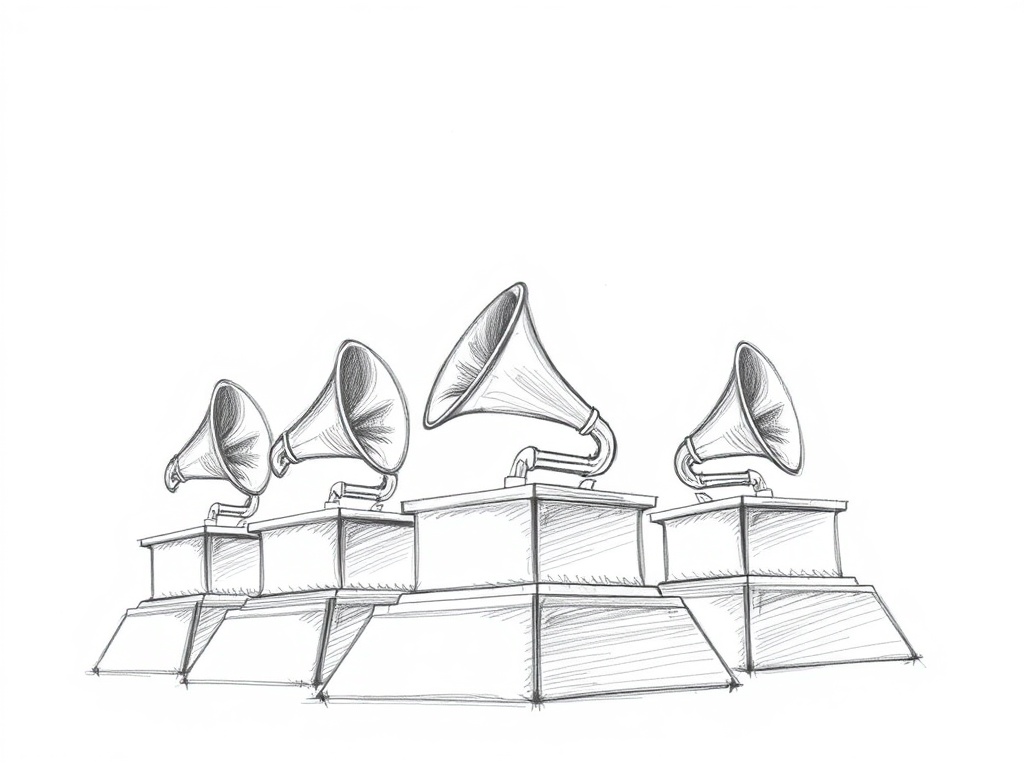
The Grammys remain the music industry’s most watched and debated awards show, shaping careers and sparking conversations about artistry, influence, and fairness. As the awards evolve, understanding how they work and what matters to voters gives artists, fans, and industry pros a clearer view of why a nomination or win still carries weight.
What the Grammys recognize
The ceremony honors music across performance, songwriting, production, and technical achievement.
Major categories like Record of the Year and Album of the Year spotlight the full creative team — from lead artists to engineers and producers — while songwriter- and genre-specific awards celebrate craft and cultural impact.
Technical categories, often overlooked by mainstream audiences, are increasingly recognized as vital to modern records’ success.
How streaming and social media shape outcomes
Streaming platforms and social media have changed how music is discovered and measured.
Voter engagement now reflects a combination of critical acclaim, commercial performance, and cultural conversation. Viral moments, playlist placements, and TikTok traction can elevate a song’s visibility, but sustained artistic quality and industry support typically sway members during voting.
Voting and nomination dynamics
Voting members are music professionals whose diverse tastes inform the nominees. A nomination often emerges from a blend of peer recognition and industry campaigning. The screening process and nominating committees ensure category fit, while subsequent voting determines winners. Transparency initiatives aim to strengthen trust in the process, and recent procedural adjustments seek to balance tradition with the realities of modern music-making.
Diversity, representation, and genre fluidity
The Grammys have faced pressure to better reflect the breadth of musical expression and the artists behind it. That has led to more attention on equitable representation across genres, backgrounds, and roles.
Genre boundaries continue to blur as artists experiment, and the awards are adapting by rethinking category definitions and recognizing cross-genre work.
This evolution changes who gets nominated and who receives recognition for shaping contemporary sound.
The growing importance of credits
Accurate credits are more important than ever. Producers, mixers, mastering engineers, and songwriters increasingly receive public recognition and award consideration. Properly registering works with performance-rights organizations, metadata platforms, and record labels ensures contributors receive credit and are eligible for awards.
Career impact and industry benefits
A Grammy nomination or win can boost an artist’s streaming numbers, booking fees, and media profile. For behind-the-scenes professionals, recognition can lead to higher-profile projects and expanded collaborations. Even nominations create a halo effect that reinforces an artist’s credibility across markets and formats.
Practical advice for artists and teams
– Prioritize high-quality recordings and professional credits.
– Ensure all metadata and registrations are complete and accurate.
– Build relationships within the music community; peer recognition matters.
– Balance organic fan-driven momentum with targeted professional outreach during submission periods.
– Consider the full team’s visibility—producers and writers are part of the awards conversation.
What viewers should watch for
Performances often become cultural moments, showcasing collaborations that might not happen elsewhere. Acceptance speeches can highlight causes or community representation, while the red carpet reflects current fashion trends and artist branding.
Industry shifts are visible not just in winners, but in who’s included among nominees and creative collaborators.
The Grammys continue to be a touchstone for music’s changing landscape. By focusing on quality, accurate crediting, and meaningful industry relationships, artists increase their chances of standing out in the peer-driven process that defines the awards’ lasting influence.