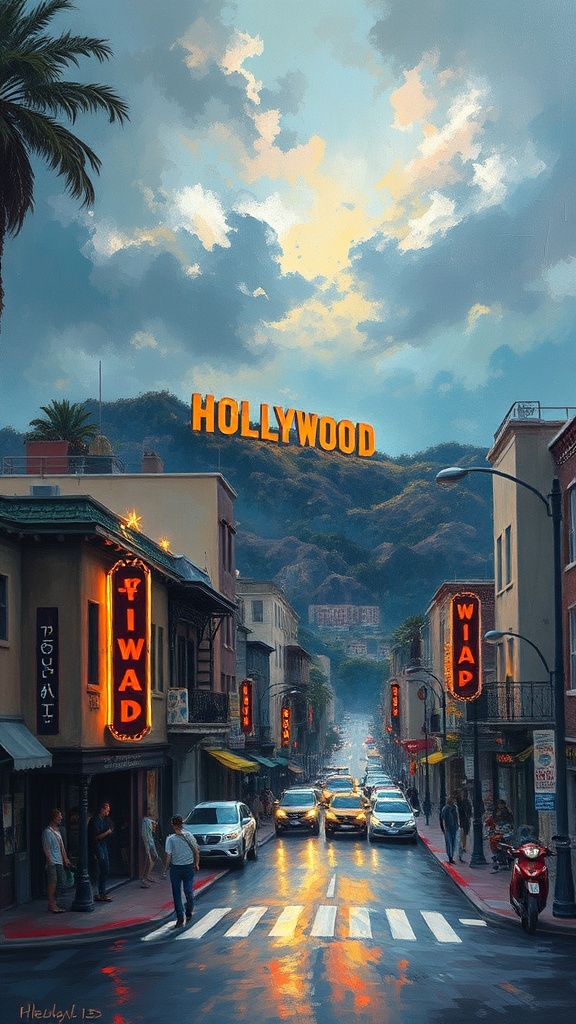
Beverly Hills: Luxury Shopping, Dining & Sustainable Living Guide

Beverly Hills remains a magnet for luxury, culture, and carefully curated lifestyle experiences. Compact but influential, the city blends high-end shopping, iconic hotels, leafy residential streets, and a surprising civic focus on sustainability and community life.

Beverly Hills image

Shopping and style
Rodeo Drive is the headline attraction: a globally recognized stretch where flagship boutiques, designer maisons, and artful window displays create a must-see retail experience. Beyond the famed three blocks, boutique-lined streets and hidden salons offer bespoke fashion, custom jewelry, and couture services. For visitors, plan for concierge parking, often-available valet, and weekday visits to avoid peak crowding. Window shopping here is as much about architecture and people-watching as it is about purchases.

Dining and hospitality
Beverly Hills is home to a dynamic dining scene that ranges from refined tasting menus to casual neighborhood bistros. Expect chef-driven concepts, elegant hotel restaurants, and options that cater to a variety of dietary preferences. Many establishments require reservations, and private dining options are popular for celebrations and business gatherings. Legendary hotels anchor the hospitality landscape, offering signature bars, spa services, and terraces that showcase the city’s glamour.

Residential life and real estate
Luxury real estate defines much of Beverly Hills’ global reputation. Tree-lined blocks feature a mix of historic estates, mid-century modern homes, and contemporary new builds, often set behind privacy hedges or gated driveways. Neighborhoods vary from walkable retail corridors to secluded hilltop enclaves with panoramic views.

Demand typically favors homes with high-end finishes, outdoor living spaces, and smart-home integration.

For buyers and renters drawn to walkability, proximity to parks and dining can weigh as heavily as square footage.

Culture, parks, and events
Public green spaces offer calm amid the luxury. Beverly Gardens Park, with its signature cactus garden and iconic Beverly Hills sign, provides a scenic walking path and seasonal programming.

Historic sites and cultural events—like street fairs, art shows, and the farmers’ market—help preserve a sense of community. The city also maintains a commitment to preserving mid-century and early-20th-century architecture through local preservation initiatives.

Sustainability and modern infrastructure
While known for opulence, Beverly Hills has been advancing municipal efforts around water conservation, native landscaping, and electric vehicle charging infrastructure.

Streetscape upgrades and pedestrian-friendly enhancements aim to balance luxury retail with more comfortable public realms. Residents often prioritize energy-efficient systems, drought-tolerant gardens, and smart-home technologies that reduce environmental impact without sacrificing comfort.

Practical tips for visitors
– Start at Rodeo Drive and expand outward to explore nearby galleries, parks, and coffeehouses.
– Make dining reservations in advance and be mindful of valet hours and parking rules.
– Look for public art and seasonal programming at Beverly Gardens Park for a quieter snapshot of local life.
– Respect privacy in residential neighborhoods—many iconic homes are privately owned and best admired from a distance.

Why Beverly Hills still matters
Beverly Hills continues to weave together commerce, culture, and community in a compact, walkable setting. Its appeal combines worldwide luxury branding with neighborhood details that matter to residents: well-maintained parks, active local events, and a municipal focus on balancing heritage with modernization. Whether visiting for shopping and dining or considering a longer stay, Beverly Hills offers an enduring mix of style, service, and civic pride.


How Celebrities Stay Relevant and Respected in the Social Media Era

How Celebrities Stay Relevant and Respected in the Social Media Era

The relationship between celebrities and the public has evolved from red carpets and press releases to constant, direct engagement on social platforms. Fans expect access, authenticity, and values-aligned messaging. That shift has reshaped celebrity PR, personal branding, and the way high-profile figures build long-term careers.

Why authenticity matters
Audiences are savvier and more skeptical than ever.

Polished publicity stunts no longer hold the same sway; people respond to vulnerability, consistency, and sincere causes. Celebrities who share behind-the-scenes glimpses, honest takes on mental health or career challenges, and genuine passions tend to build deeper loyalty. Authenticity isn’t a one-off tactic — it’s a guiding principle that informs what celebrities post, whom they partner with, and how they handle setbacks.

Platform-specific strategies
Each social channel serves a different purpose:

Celebrities image

– Short-form video platforms reward spontaneity and trends, helping younger stars and established names reach new audiences quickly.
– Visual-first platforms spotlight lifestyle, fashion, and brand collaborations; carefully curated aesthetics still resonate here.
– Long-form video and podcasting create space for storytelling, interviews, and more nuanced conversations that strengthen credibility.
– Microblogging provides rapid-response commentary and direct dialogue with fans and critics.

Top-tier talent teams optimize content for each platform while retaining a consistent personal brand across channels.

Balancing privacy and accessibility
Managing personal privacy while staying accessible is a delicate balance. Many celebrities set clear boundaries: dedicated channels for professional updates, guarded personal accounts, and rules about family visibility. Others use curated glimpses to humanize themselves without overexposing loved ones. Establishing and consistently enforcing these boundaries prevents burnout and reduces unwanted intrusion.

Strategic partnerships and brand deals
Brand collaborations remain a key revenue and visibility stream. Successful partnerships align with a celebrity’s values and audience interests rather than chasing the highest fee. Authentic endorsements and creative collaborations (co-branded product lines, content series, or philanthropic efforts) deliver better long-term results than one-off sponsored posts.

Crisis management and reputation protection
Every public figure faces the potential for controversy. Rapid, transparent communication combined with a thoughtful plan usually outperforms reactive defense. Advisors, communications teams, and legal counsel play essential roles: they help craft messages, manage timing, and decide when to apologize, clarify, or stay silent. Owning mistakes and demonstrating corrective action rebuilds trust more effectively than denial.

Investment in personal growth and business ventures
Many celebrities broaden their influence by investing in businesses, producing content, or advocating for causes. These endeavors create multiple income streams and deepen cultural relevance.

Investing in continuous learning — from production skills to social media analytics — enables smarter creative and commercial decisions.

Mental health and longevity
Sustaining a public career requires attention to mental and physical wellbeing. Regular boundaries around social media, professional counseling, and a supportive team help prevent the isolation and pressure that can accompany fame.

Longevity often hinges on balancing ambition with rest, and on cultivating a sense of purpose beyond metrics like follower counts.

Practical takeaways for public figures
– Prioritize authentic storytelling over manufactured moments.
– Tailor content to each platform while keeping brand consistency.
– Set and defend privacy boundaries for personal life and family.
– Choose brand partnerships that align with long-term image and values.
– Prepare a crisis plan and consult advisors early.
– Invest in projects and skills that extend influence beyond headlines.

Being a celebrity today means navigating a fast-moving media environment with clarity and care. Stars who combine authenticity, strategic thinking, and sustainable habits are the ones who remain respected and relevant over the long run.

Hollywood Release Strategies: How Streaming, Theatrical Windows, and Global Markets Are Reshaping Filmmaking

Hollywood is in a constant state of reinvention — balancing blockbuster spectacle, intimate storytelling, and shifting audience habits. The most consequential change is how stories are released and monetized.

Studios, theaters, and streaming platforms are negotiating release strategies that aim to maximize both box office receipts and long-term subscription value, and that evolution shapes what kinds of films get made.

Release strategies and theatrical windows
Studios now experiment with staggered release models: exclusive theatrical windows for tentpoles, shorter windows for mid-budget films, and premium video-on-demand options for titles that may not benefit from wide theatrical runs. This hybrid approach helps protect theatrical exhibition while giving smaller films a clearer path to profitable distribution.

Theaters respond with event programming, premium formats, and immersive experiences that incentivize audiences to leave home for a cinematic outing.

Franchise filmmaking vs. original ideas
Franchises still dominate headline box office numbers, but there’s growing appetite for original content that can break through via strong reviews, festival buzz, or streaming algorithms.

Studios hedge risk by pairing franchise investments with targeted support for auteur-driven projects and mid-budget dramas that can become award-season contenders.

That mix keeps studio slates diversified and allows new voices to emerge.

Streaming’s influence on storytelling
Streaming platforms have changed pacing and narrative scope: longer seasons and limited series let creators explore characters in depth, while data-driven commissioning influences genre choices and episode counts.

For filmmakers, streaming offers alternative financing and distribution pathways, especially for projects that might not be commercially viable in wide theatrical release. Marketing now ties theatrical campaigns to streaming windows, creating multi-platform audience journeys.

International markets and global appeal
Global box office strategies shape casting, location choices, and genre preferences. Action, franchise, and visually spectacular films often perform strongly overseas, encouraging international co-productions and casting decisions that broaden appeal. At the same time, subtitles and dubbing improvements have increased the reach of regional cinema, so unique local stories can find global audiences through festivals and streaming.

Talent and production practices
Talent deals are evolving to reflect multi-platform output and flexible release plans. Creators negotiate for backend participation, streaming residuals, and creative control.

On set, virtual production stages and advanced VFX pipelines streamline shooting schedules and location needs, keeping costs in check while enabling ambitious visuals. Sustainability initiatives on productions — from energy-efficient stages to waste reduction — are increasingly standard as studios respond to both cost pressures and public expectations.

Diversity, equity, and audience connection
Audiences expect authentic representation both in front of and behind the camera.

Industry initiatives aimed at expanding opportunities for underrepresented creators are changing hiring practices and storytelling priorities. Films and series that reflect diverse experiences frequently earn strong engagement and loyalty, proving that inclusion is both culturally important and commercially smart.

Marketing in a saturated landscape
With so many release options competing for attention, smart marketing is more important than ever.

Campaigns now combine traditional trailers and premieres with influencer partnerships, targeted digital ads, and experiential events that generate social buzz. Teaser strategies are designed to build momentum over weeks or months across platforms, while data guides outreach to likely fan segments.

What this means for audiences and creators
For audiences, the result is greater choice: big-screen spectacles coexist with niche and international stories accessible from home. For creators, the landscape rewards flexibility, thoughtful budgeting, and creative approaches to distribution.

Those who understand platform dynamics and audience behavior can find new ways to fund and share original work.

Hollywood image

Whether you’re a filmmaker, marketer, or movie fan, staying attuned to these shifting dynamics helps navigate Hollywood’s evolving ecosystem — where storytelling and business strategy continually adapt to match how people want to watch and engage with entertainment.

Beverly Hills Travel Guide: Luxury Shopping, Dining & Top Sights

Beverly Hills is a compact but unmistakable blend of luxury lifestyle, cultural appeal, and curated green space — a city that rewards curious visitors and discerning locals alike. Known worldwide for its high-end shopping and celebrity cachet, the neighborhood also offers quieter charms: manicured parks, architectural variety, and a dining scene that balances Michelin-ready tasting menus with neighborhood bakeries and cafes.

What to See and Do
Rodeo Drive remains the magnetic center for luxury retail, where flagship boutiques and designer houses create a window-shopping experience that’s as much about spectacle as it is about style.

Venture off the main drag to discover independent boutiques, art galleries, and bespoke showrooms tucked into side streets. Beverly Gardens Park provides a peaceful stroll beneath palms and a chance to snap photos at the city’s iconic sign and cactus garden. For a deeper dose of history and grandeur, manicured estates and public gardens offer rotating exhibitions and seasonal events that showcase the city’s architectural heritage.

Dining and Wellness
The dining scene mixes fine dining with neighborhood favorites. Expect chef-driven tasting menus, innovative cross-cultural cuisine, and an emphasis on seasonal, farm-forward ingredients.

Wellness is also central to the Beverly Hills lifestyle: boutique spas, aesthetic clinics, and fitness studios cater to a clientele focused on personalized health and beauty routines. Many properties and businesses highlight outdoor seating, mindful menus, and wellness-focused experiences that pair well with the city’s temperate climate.

Real Estate and Design
Architecture here is a study in contrasts — Spanish-inspired facades, sleek modernist lines, and Mediterranean villas coexist on tree-lined streets. Luxury real estate tends to emphasize privacy, outdoor living, and high-end finishes, while an increasing number of homes incorporate smart-home tech and energy-conscious design. Landscape choices often reflect water-wise planting and drought-tolerant landscaping, blending sustainability with curb appeal.

Practical Tips for Visiting
– Parking: Public garages and valet services are plentiful but can fill up during peak hours.

Early arrival or mid-day visits often yield easier parking.
– Walkability: The downtown core is compact and highly walkable; wear comfortable shoes to explore side streets and gardens.
– Reservations: Popular restaurants and cultural performances book quickly, so secure reservations in advance.
– Off-peak exploration: Side streets and residential neighborhoods reveal boutique shops, local cafes, and quieter photo ops away from the main tourist corridors.

Culture and Community Initiatives
Beyond retail and hospitality, Beverly Hills supports a lively arts calendar and public programming. Performance venues and small galleries present local and touring works, while seasonal festivals and outdoor installations bring community energy to civic spaces. City initiatives often prioritize tree planting, pedestrian improvements, and public charging infrastructure as part of broader sustainability and mobility goals.

Beverly Hills image

Why It Endures
The appeal of Beverly Hills lies in its balance: the glamour of luxury shopping and high-profile hotels sits alongside neighborhood parks, thoughtful urban planning, and a hospitality culture built on service and discretion. Whether visiting for a signature meal, an afternoon of window shopping, or simply to enjoy sunlit boulevards and quiet gardens, Beverly Hills continues to offer a refined urban experience that feels both timeless and current.

Top pick: “Malibu Travel Guide: Best Beaches, Surf Spots, Hikes & Conservation Tips”

Malibu: Coastal Adventures, Conservation, and Local Culture

Malibu is synonymous with dramatic coastal scenery, laid-back beach culture, and an outdoors-first lifestyle. Whether you’re chasing surf, seeking scenic hikes, or looking for a quiet seaside meal, Malibu delivers a mix of classic California attractions and quieter, local experiences.

Beaches and Surf
Malibu’s beaches range from expansive sand stretches ideal for family outings to rugged coves perfect for tide pooling and sunset photos. Popular surf breaks attract riders of all levels, while sheltered coves provide calmer water for paddleboarding and beachcombing. For the best experience, aim for early morning or late afternoon—fewer crowds and cooler temperatures make those hours especially pleasant.

Always check local conditions and posted safety advisories before entering the water.

Hiking and Nature
The coastal bluffs and nearby canyon trails offer short strolls and longer day hikes with ocean views, wildflower displays, and native plant communities such as coastal sage scrub. Look for trails that pass through coastal cliffs and ridgelines for panoramic viewpoints, but stay on marked paths to protect fragile habitats and avoid private property. Tide pools and rocky outcrops present great wildlife-watching opportunities—bring binoculars and a field guide to identify shorebirds and marine life.

Dining and Local Businesses
Malibu’s dining scene balances casual beachside cafés with upscale seafood and farm-driven menus. Many restaurants focus on fresh, local ingredients and ocean-to-table fare; slow down and savor the views when possible.

Supporting independent shops, galleries, and farmers markets keeps the local economy vibrant and gives visitors a truer sense of community.

Coastal Drive and Photo Ops
A scenic coastal drive is part of the Malibu experience. Pull over at designated viewpoints for unobstructed ocean vistas, dramatic cliffs, and legendary sunsets. Photography tips: use a polarizing filter to reduce glare on bright days, and consider long-exposure settings for silky-wave images at dusk. Respect signposted no-parking zones and private driveways while stopping for photos.

Conservation and Resilience
Malibu’s coast and canyons are ecologically sensitive and face pressures such as erosion, drought, and wildfire.

Respecting wildlife, packing out trash, and staying on trails all help protect these landscapes. Many local organizations run habitat restoration, invasive species removal, and beach cleanups—volunteering or donating to those efforts amplifies your positive impact.

Practical Tips
– Parking: Popular beaches and trailheads can fill quickly. Arrive early or visit on weekdays to avoid peak crowds, and always follow posted parking regulations.
– Safety: Rip currents can form near breaks; swim near lifeguard-protected areas when available and never swim alone. Check tide charts before exploring tide pools.
– Respect Privacy: Malibu includes private residences and gated communities. Stick to public access points and follow posted rules.
– Sustainable Habits: Use reusable containers, minimize single-use plastics, and consider carpooling or using public transit alternatives when possible.

Why Visit
Malibu combines easy access to natural beauty with a pace that encourages outdoor living and mindful travel. For a daytrip or a longer escape, it’s a place to recharge by the ocean, explore coastal trails, and connect with a community that values environmental stewardship.

Plan ahead, leave places better than you found them, and enjoy the unique blend of surf, sand, and scenic charm.

Malibu image

Beverly Hills Travel Guide: Shopping, Dining & Top Things to Do

Beverly Hills remains a symbol of luxury living and carefully curated charm, blending iconic landmarks with a lively dining and cultural scene.

Whether you’re a first-time visitor or a local rediscovering the neighborhood, there’s a blend of classic glamour and modern lifestyle worth exploring.

What to see and do
The centerpiece for many is the famous shopping corridor, where high-end boutiques and designer flagships showcase the latest in fashion and accessories. Window-shopping along this stretch offers a glimpse into luxury retail, while side streets reveal independent boutiques and specialty stores that highlight unique finds.

Green spaces provide a quieter side of the city. Well-maintained public gardens and tree-lined avenues invite relaxed walks, photography, and a moment of calm away from busy streets.

Several historic estates and public mansions open to visitors or visible from generous grounds, offering architectural interest and serene landscaping.

Dining and nightlife
Beverly Hills boasts a dining scene that runs the gamut from Michelin-level tasting menus to cozy neighborhood bistros. You’ll find celebrity-chef restaurants and intimate eateries where menus emphasize seasonal and locally sourced ingredients.

For after-dinner plans, there are stylish lounges and classic hotel bars that mix old-school glamour with contemporary cocktails.

Cultural life and events
A compact but vibrant arts scene includes performing arts venues, galleries, and community programs.

Regular film screenings, theater productions, and art exhibitions provide cultural variety.

Look for pop-up events and culinary festivals that draw both locals and visitors, offering a way to experience the city beyond its tourist landmarks.

Real estate and lifestyle
Luxury real estate is one of the neighborhood’s defining features. Properties range from historic Mediterranean and Spanish-style homes to modern, minimalist estates with private amenities. The market tends to favor privacy, security, and high-end finishes, and many buyers prioritize outdoor spaces such as pools, landscaped gardens, and private courtyards. For those considering a move, working with a local specialist helps navigate neighborhood nuances, HOA restrictions, and the premium associated with prime streets.

Practical tips for visitors
– Parking: There are metered spots and public garages; permit or pay attention to signage to avoid fines. Plan for peak times when central areas become congested.
– Transportation: Short-distance rideshare trips are convenient, and bike-friendly routes make for pleasant daytime exploration. Walking is often the best way to soak in architecture and store displays, but be prepared for sunny weather and bring comfortable shoes.
– Respect privacy: Many residential streets are private and home to long-term residents. Keep noise low, avoid trespassing, and follow any posted rules around photography.

Beverly Hills image

– Guided tours: Consider a guided walking or driving tour to learn architectural and cultural history without missing hidden gems.

Sustainability and community initiatives
Local priorities include water-wise landscaping, urban tree care, and programs that encourage reduced energy usage in commercial districts. Visitors can support these efforts by choosing businesses that prioritize sustainability, using public transportation where possible, and enjoying outdoor spaces responsibly.

Why it’s worth visiting
Beverly Hills offers a compact mix of luxury retail, refined dining, and classic California architecture, all set in walkable, landscaped streets.

It works well as a single-day destination or as part of a broader itinerary through nearby neighborhoods. For those seeking a blend of glamour, culture, and relaxed outdoor charm, the city delivers an experience that feels both timeless and refreshed for today.

SAG Awards Guide: What They Honor, How Voting Works, Ensemble Wins & Red Carpet Trends

The SAG Awards remain one of the most actor-focused moments of awards season, celebrating performances across film and television while reflecting the priorities of the performers’ union. For anyone interested in acting craft, ensemble storytelling, or the intersection of artistry and industry, the ceremony offers a concentrated look at what peers consider outstanding work.

What the SAG Awards honor
The SAG Awards spotlight individual and ensemble achievements: leading and supporting performances in motion pictures, standout roles in television series and limited-series/TV movies, and ensemble casts for both film and television. Stunt ensembles also receive recognition, which highlights the growing appreciation for behind-the-scenes crafts that make action storytelling possible. Winners are presented with a statuette that represents peer recognition, an honor many actors prize because it comes directly from fellow performers.

How nominations and voting work
Nominations are determined by panels of union members drawn from the SAG-AFTRA membership, then the full membership votes to select winners. This peer-driven process gives the awards a distinct authenticity: the choices reflect how actors view craft, chemistry, and collaboration rather than box-office totals or critical consensus alone. Because voting is limited to working performers, the SAG Awards often emphasize ensemble strength and nuanced supporting work.

Why the ensemble award matters
The ensemble prize is one of the ceremony’s most talked-about honors.

SAG Awards image

It rewards the collaborative nature of acting, acknowledging that a film or series often succeeds because of a group dynamic rather than a single star turn. For productions that rely on tight chemistry—family dramas, workplace comedies, or sprawling period pieces—the ensemble win signals respect from peers for collective storytelling.

Fashion, red carpet trends, and sustainability
Red carpet coverage is a major part of the SAG Awards’ cultural footprint. Recent seasons have seen a clear trend toward sustainable fashion choices: rental looks, vintage pieces, and garments made from recycled materials are increasingly visible. Stylists and publicists now balance traditional glamour with eco-conscious statements, which often generate as much conversation as the winners themselves.

The event as a platform
Because the ceremony is organized by performers’ union members, speeches sometimes spotlight industry concerns—everything from equitable pay and on-set safety to representation and access. That makes the SAG Awards an occasion where artistry and advocacy intersect, with acceptance speeches frequently focusing on gratitude, solidarity, and the people who made the work possible.

How to watch and follow
Broadcast and streaming partners vary, so the best way to tune in is to check official SAG-AFTRA communications and the awards’ digital channels. Social media offers extensive live reaction, red carpet highlights, and clipable moments. For viewers who prefer deeper context, listening to post-show roundtables or reading performer interviews can reveal craft details and backstage stories that enrich the viewing experience.

Tips for nominees and viewers
– Watch ensemble nominees closely to appreciate how smaller moments build a story’s emotional truth.

– Support stunt and behind-the-scenes categories by following clips and interviews that explain their contributions.
– For industry watchers, compare SAG outcomes with other awards to see how peer-driven recognition aligns with critics’ and academy choices.
– Expect speeches to touch on collaboration and community; these often provide the ceremony’s most memorable lines.

The SAG Awards continue to be a touchstone for performers and audiences who prioritize acting craft and collective achievement. Whether you follow for the red carpet, the performances, or the industry conversation, it’s a ceremony that highlights the collaborative heart of screen storytelling.

Recommended: Hollywood Blockbuster Reset: Why Original Stories & Theatrical Events Are Back

Hollywood’s Blockbuster Reset: Why Original Stories and Theatrical Events Are Making a Comeback

Hollywood is recalibrating the way it makes and markets big films. After a long stretch where tentpole franchises and rapid streaming releases dominated headlines, studios are balancing franchise safety with riskier original ideas and a renewed focus on the theatrical experience. That shift affects what audiences see on screens, how films are promoted, and where filmmakers find creative freedom.

Theatrical Experience Reinvented
Movie theaters are leaning into premium, communal experiences that streaming can’t replicate. Enhanced formats like wide-format screens, immersive sound systems, and curated event screenings turn a night out into an occasion. Studios and exhibitors are also experimenting with limited-run theatrical windows, specialty engagements, and fan-first events that build urgency—advantages that help distinct films cut through a crowded content landscape.

Smart Franchise Strategy
Franchises remain essential revenue drivers, but the strategy around them is evolving. Rather than expanding every property into endless sequels, studios are pursuing tight, quality-focused entries, spin-offs with clear creative identities, and cross-platform storytelling that respects each medium’s strengths. This approach reduces franchise fatigue and gives room for original titles to find an audience alongside established properties.

The Rise of Event Cinema and Limited Series
Event cinema—one-off theatrical releases, director-led retrospectives, and limited-series theatrical premieres—has emerged as a powerful tool for discovery and prestige. Limited-run theatrical releases of high-profile series episodes or cinematic documentaries create buzz and position storytelling as an event. For creators, these formats offer a middle ground: the scale of cinema with the narrative depth often associated with long-form television.

Diversity, Representation, and Global Appeal
Audiences reward authenticity. Films that center diverse voices and culturally specific stories increasingly perform well domestically and internationally.

Global markets are more influential than ever, prompting Hollywood to invest in stories that resonate across borders while staying true to their roots. Casting, writers’ room diversity, and involvement from creators with lived experience are now core elements of commercially and critically successful projects.

Marketing for the Attention Economy
With so many viewing options, marketing must be smarter and more targeted. Successful campaigns now blend data-driven targeting with organic community-building—engaging fan creators, leveraging experiential pop-ups, and using short-form video to create shareable moments. Teasers designed to spark conversation often matter more than exhaustive trailers, especially when paired with partnerships that extend beyond traditional advertising.

What This Means for Viewers
– More variety: Expect a healthier mix of original films and carefully managed franchises.
– Better theatrical incentives: Premium screenings, limited events, and immersive formats make going to the cinema an experience worth prioritizing.
– Story-first marketing: Campaigns that emphasize voice, theme, or cultural relevance increase the chance that new films will cut through the noise.

Quick Tips for Choosing What to Watch
– Watch for “event” labels and special screenings if you want a shared, cinematic experience.
– Give creator-focused marketing a chance—films with strong directorial vision often reward viewers.
– Explore international releases and limited runs; some of the best surprises come from outside blockbuster headlines.

Hollywood image

Hollywood’s current adjustment isn’t a rejection of big-budget franchises—rather, it’s a smarter alignment of economics, creativity, and audience demand. For moviegoers, that means more opportunities to discover distinct voices on the biggest screens and a more intentional, experience-driven path back to theaters.

Hollywood Reinvents the Theatrical Experience for Audiences

How Hollywood Is Reimagining the Theatrical Experience for Today’s Audiences

Hollywood image

Hollywood is sharpening its focus on the theatrical experience as a core part of its business model. With home viewing options plentiful, studios and exhibitors are investing in what theaters can deliver that living rooms cannot: scale, spectacle, community and eventization. For anyone who cares about movies—filmmakers, theater operators or moviegoers—this shift is reshaping release strategies and audience engagement.

Bigger-than-home spectacle
Premium large formats remain a primary reason people leave the house. Enhanced audio systems, larger screens, and immersive technologies are being promoted as a must-see proposition for blockbuster storytelling. Studios increasingly reserve the most spectacular effects shots and score moments for big-screen showings, making theater visits a unique, high-value experience rather than simply a convenient option.

Eventization and fandom
Turning releases into events drives attendance.

Red-carpet premieres, fan screenings, director Q&As, and limited-run reissues of classic titles have become common tactics to create urgency and cultural conversation. These events produce social media buzz and influencer coverage that extend marketing reach and reinforce the perception that some movies are “must-see now” cultural moments.

Smart windowing and hybrid releases
Theatrical windows are more flexible and strategic than before. Studios negotiate release patterns that balance theatrical exclusivity for tentpoles while offering quicker access to home platforms for other titles. This fluid approach helps maximize revenue across formats and aligns distribution with how different audiences prefer to watch various types of films.

Elevating the in-theater experience
Exhibitors are thinking beyond screens to optimize the full visit. Upgraded seating, gourmet concessions, dine-in auditoriums and streamlined mobile ticketing and food delivery remove friction and increase per-visitor revenue.

Some cinemas partner with brands to create themed merchandise or immersive lobbies that turn a trip to the movies into a memorable outing.

Niche and independent playbooks
Smaller films succeed when theatrical runs are targeted and community-driven. Platform releases—starting in select markets and expanding based on word-of-mouth—allow limited marketing budgets to compound into wider visibility.

Festivals and specialty theaters remain vital discovery channels, and curated programming builds trust with audiences seeking films outside mainstream franchises.

Global box office dynamics
International markets increasingly influence production and marketing decisions.

Studios tailor releases and promotional campaigns to resonate across territories, sometimes producing region-specific edits or marketing creatives. This global-first thinking affects everything from casting to story beats, aiming to maximize worldwide theatrical performance.

Sustainability and workforce considerations
Hollywood’s theatrical strategies are also shaped by industry-wide concerns about sustainability and labor. Studios and exhibitors are adopting greener production methods and more efficient distribution practices, while maintaining collaborative relationships with creative talent and unions to ensure that theatrical releases remain a priority for filmmakers.

What this means for audiences and creators
For audiences, this trend means richer options for going to the movies: more spectacle, curated events, and premium amenities. For creators and distributors, theatrical strategy is no longer one-size-fits-all; it’s a deliberate part of storytelling and revenue planning. Movies designed with the theater in mind tend to command attention and deliver cultural impact that extends beyond the screen.

Practical takeaways
– If you run a cinema: invest in experience upgrades and local marketing to turn casual viewers into repeat guests.
– If you market a film: craft event-driven campaigns that create urgency and social momentum.
– If you’re a filmmaker: consider how narrative and design choices play in a large-format setting to leverage the theater’s advantages.

Theatergoing remains a distinct cultural ritual. Hollywood’s renewed emphasis on what theaters uniquely provide ensures that the cinema will be an essential part of how stories are shared and remembered.

The SAG Awards remain one of the most closely watched events in award season because they represent peer recognition from fellow performers.

The SAG Awards remain one of the most closely watched events in award season because they represent peer recognition from fellow performers. Voted on by members of the actors’ union, these awards spotlight performances and ensembles that resonate with working actors, making winners especially meaningful for recipients and influential for broader awards conversations.

What makes the SAG Awards different
– Peer voting: Winners are chosen by actors, which gives the awards a credibility distinct from critic- or academy-based honors. This peer recognition often amplifies an actor’s standing within the industry.
– Ensemble focus: Awards for outstanding ensemble casts celebrate collaborative storytelling, drawing attention to shows and films that succeed as a unified performance rather than highlighting only individual stars.
– Range of categories: Film and television categories include leading and supporting performances, ensemble awards, and recognition for stunt ensembles, highlighting the full spectrum of on-screen craft.

How the awards shape industry narratives
SAG winners and nominees frequently shift momentum during awards season. A strong showing can open doors for projects and performers, influencing press coverage, streaming traction, and audience interest. Because the voting body is composed of actors, winners often reflect peer esteem as much as public buzz, which can be a decisive factor in shaping the industry narrative around prestige projects.

SAG Awards image

Trends to watch
– Streaming dominance: Streaming platforms regularly feature heavily among nominees, showing how performance-driven series and films from those services continue to compete at the highest levels.
– Diversity in storytelling: There’s increasing visibility for inclusive casting and stories from historically marginalized communities, with ensembles and performances in diverse projects gaining recognition.
– Sustainable and statement fashion: Red carpet moments frequently mix high fashion with social messaging, from sustainable wardrobe choices to advocacy pins that reflect industry conversations about labor and representation.
– Social media impact: Clips of acceptance speeches and standout moments trend quickly, extending the reach of memorable performances beyond the broadcast.

What to expect from coverage and broadcasts
Telecasts typically blend award presentation with behind-the-scenes interviews and red carpet fashion coverage. Highlights include powerful acceptance speeches that often touch on issues important to performers, short tribute segments, and montage reels of nominated work.

For viewers who like real-time engagement, social platforms and entertainment sites provide instant reactions and highlight reels.

How nominations and voting work (overview)
Nominees are selected from performances submitted by studios, networks, and producers that meet union eligibility standards. The broader membership of the union then votes to determine winners, lending an industry-informed perspective to the final results. Because eligibility hinges on union contracts and credit qualifications, union rules play a key role in determining the field of contenders.

Tips for fans and industry watchers
– Follow nominee lists closely to spot ensemble contenders that may not be in the headline categories but are breakout favorites.
– Watch acceptance speeches for themes and industry priorities—these often signal where performer concerns and advocacy are focused.
– Pay attention to stunt ensemble recognition, which casts light on an often-overlooked craft central to many high-profile productions.
– Host a watch party with clips from nominated performances to spark discussion about acting choices and ensemble chemistry.

Whether you follow for the performances, the red carpet, or the industry impact, the SAG Awards deliver a peer-driven snapshot of what actors and audiences are celebrating right now.