The Rise of Celebrity Influence: From Red Carpets to Personal Brands

The Evolving Power of Celebrity Influence: From Red Carpets to Personal Brands

Celebrities no longer just headline tabloids and movie credits.

They shape culture, commerce, and conversation. Whether they’re launching beauty lines, backing causes, or setting trends on short-form video platforms, public figures now operate as full-spectrum brands whose choices ripple through consumer behavior and social movements.

From attention to action: how influence translates
A single high-profile endorsement can turn an obscure product into a household name. Celebrities harness massive followings across social platforms to amplify messages quickly and directly. That reach converts into measurable outcomes: streaming spikes, sold-out product drops, donation surges, and elevated awareness for social causes.

Smart celebrities integrate authenticity with strategy, aligning brand deals and product launches with personal stories and long-term creative goals.

Fashion, commerce, and the new retail playbook
Red-carpet moments still matter, but the real runway is digital. Outfit reveals, behind-the-scenes dressing-room clips, and micro-trend videos accelerate fashion cycles. Many stars now collaborate on limited drops or launch full-fledged labels, blending celebrity cachet with accessible commerce. The result: fans buy into a lifestyle as much as a product. For retailers and marketers, that means creating frictionless shopping experiences and leveraging celebrity moments as planned conversion opportunities rather than one-off PR spikes.

Activism and philanthropy with a megaphone
Public figures can spotlight issues and mobilize communities at scale. When celebrities champion causes—whether environmental initiatives, educational access, or health awareness—they bring visibility, resources, and often, sustained funding.

Effective celebrity activism combines genuine commitment with partnerships that extend reach: NGOs, grassroots organizations, and policy advocacy groups. Audiences respond best when activism is informed, consistent, and accompanied by tangible action.

Mental health and privacy in the spotlight
As attention intensifies, so do conversations about wellbeing. Many high-profile figures have led public discussions on mental health, breaking stigmas and encouraging audiences to seek help. At the same time, navigating privacy has become a professional skill: managing boundaries, controlling narratives, and protecting personal time are integral to sustaining a career and personal life under constant scrutiny.

Celebrities image

Content strategy: platforms matter
Different platforms serve different purposes.

Short-form video is unrivaled for trend-setting and viral moments. Visual platforms remain essential for fashion and lifestyle storytelling. Text-based and community-driven channels are better for nuanced conversations and deeper engagement. Successful celebrities tailor content to platform strengths—short, snackable clips for discovery; long-form interviews for credibility; and private or paid channels for superfans.

What brands and creators can learn
– Prioritize authenticity: audiences detect dissonance quickly. Align partnerships with genuine values.
– Build diversified revenue streams: product lines, media ventures, podcasts, and investments reduce reliance on any single channel.
– Invest in community: engaged fans drive sustained momentum more than passive followings.
– Prepare for crisis management: transparent communication and rapid response protect reputations.
– Collaborate thoughtfully: long-term collaborations tend to outperform transactional endorsements.

Celebrities will continue to evolve as storytellers, entrepreneurs, and advocates.

For brands, creators, and fans, success comes from recognizing that influence is no longer just publicity—it’s an integrated business and cultural engine that rewards authenticity, strategy, and sustained engagement.


Recommended: Hollywood Franchise Strategy: Beat Fatigue with Smarter Universe‑Building

Hollywood’s franchise playbook has evolved into a high-stakes balancing act: studios need the reliable revenue of big-brand properties while keeping audiences engaged and avoiding franchise fatigue. Today’s landscape demands smarter universe-building, flexible release strategies, and a sharper focus on creative renewal.

Why franchises still dominate
Franchises reduce financial risk by leveraging built-in audiences, merchandising, and streaming retention. They create predictable marketing hooks and cross-platform opportunities — from theatrical box office to premium streaming tiers, theme-park tie-ins, and global licensing. But predictable can turn stale quickly, so success hinges on innovation within the familiar.

Signs of fatigue — and how studios counter it
Audiences can tire of repetitive plots, token sequels, and endless expansions. To counter fatigue, studios are adopting several strategies:
– Smaller, character-driven installments: Focusing on tight, emotionally resonant stories rather than sprawling epics keeps fans invested.
– Anthology and limited-series formats: These allow deeper exploration of corners of a franchise without committing to long-term continuity.
– Rotating creative teams: Bringing in fresh directors and writers prevents tonal stagnation and keeps the franchise voice evolving.
– Strategic rebooting and legacy passes: Introducing new protagonists or timelines can refresh a brand while honoring core elements fans love.

Cinematic universes vs standalone films
Shared universes offer cross-promotion and event-style storytelling, but they can also impose continuity constraints. Standalone films provide creative freedom and lower long-term commitments, helping studios hedge bets.

Smart franchises mix both approaches: anchor films keep the brand identity, while standalone spin-offs explore different genres and tones to expand appeal.

The theatrical–streaming calculus
Release windows are more fluid than ever. Theatrical releases still provide revenue and prestige, particularly for event films and premium formats like IMAX and Dolby Cinema. Streaming offers broader access, long-tail engagement, and subscriber retention. Hybrid strategies — simultaneous or short-window releases — must be chosen with the property’s profile and fan expectations in mind.

Premium pricing, exclusive theatrical content, and staggered platform premieres remain powerful levers.

Global audiences reshape storytelling
International markets influence casting, setting, and marketing. Localized stories, talent from key territories, and culturally resonant themes can unlock large overseas audiences. Studios increasingly plan franchise arcs with a global mindset, blending universal emotional beats with regional specificity.

Marketing that moves beyond trailers

Hollywood image

Effective campaigns now combine traditional promos with community-driven content:
– Early fan screenings and influencer partnerships amplify word-of-mouth.
– Transmedia storytelling — comics, podcasts, interactive experiences — deepens engagement.
– Data-driven personalization tailors outreach across regions and platforms.
– Live experiences and immersive events create shareable moments that fuel social media.

Sustainability of franchise ecosystems
Long-term franchise health depends on governance: clear creative oversight, contractual flexibility for talent, and iterative audience testing. Licensing and merchandising must align with brand integrity to avoid dilution. Successful franchises treat expansions as curated chapters, not endless continuations.

Opportunities for creators and marketers
There’s room for innovation across budget scales. Mid-budget character pieces can become sleeper hits and reinvigorate larger universes. Marketers who focus on emotional hooks, community activation, and cross-platform storytelling will find the greatest returns on fan loyalty and lifetime value.

Hollywood’s franchise future is neither infinite nor collapsing — it’s selective. Franchises that evolve, respect audience intelligence, and diversify storytelling formats will remain dominant. Those that rely solely on nostalgia or formula risk being left behind as audiences seek fresh, meaningful entertainment across screens and experiences.

Bel Air Neighborhood Guide: Luxury Homes, Privacy & Canyon Living

Bel Air evokes a particular image: winding roads, gated estates, mature canyons and a quiet luxury that sits just above the bustle of the city below.

Known for its privacy and prestige, the neighborhood blends dramatic mid-century modern architecture with classic Mediterranean villas, creating an eclectic streetscape favored by homeowners who value design and seclusion.

Architecture and neighborhood character
Bel Air’s architectural mix is a major draw.

You’ll find clean-lined modern homes with glass walls that open to canyon views, alongside more traditional homes with tiled roofs and formal gardens. Many properties are set on large lots that take advantage of natural topography, offering privacy, pools, and terraced landscaping.

The result is an atmosphere that feels both curated and intimately connected to the hillside environment.

Privacy, security and community
Privacy is foundational to daily life in Bel Air.

Gated private roads, controlled entrances, and discreet security measures help preserve a calm, residential vibe. Community associations are active, focusing on canyon fire safety, landscaping standards, and traffic calming. That level of stewardship contributes to a stable, walkable-feel neighborhood even though many residents prefer driving between destinations.

Nature and outdoor access
Despite its reputation for luxury homes, Bel Air is rich in outdoor amenities. Canyon trails and pocket parks invite walks, birdwatching and short hikes that feel remarkably removed from urban life. Scenic drives along winding roads and viewpoints on higher ridgelines offer sweeping vistas of the city and coastline on clear days, making the neighborhood appealing to anyone who values access to green space without leaving the metropolitan area.

Nearby cultural and lifestyle offerings
Bel Air sits close to major cultural anchors, including museums, performance venues and university campuses. Upscale shopping and dining are a short drive away in neighboring districts, while local private clubs and country clubs offer recreational options for residents.

Popular cultural references have also helped cement Bel Air’s image in popular culture, contributing to its global recognition.

Real estate and lifestyle considerations
Homes here are often custom-built, with lot sizes and layouts that prioritize privacy and outdoor living.

Bel Air image

Buyers tend to seek properties that maximize canyon views and indoor-outdoor flow, so design, landscaping and drive access matter as much as square footage.

For those considering a move, working with brokers who know micro-neighborhoods and topography is essential—access, parking and maintenance needs differ significantly from more typical city parcels.

Tips for visitors and prospective residents
– Respect privacy: many properties are private, and curbside viewing is common, but avoid trespassing or disrupting residents.
– Plan access: some streets are gated or have limited parking; consider guided tours or viewpoints at public locations if you want photos.
– Explore nearby public attractions: museum grounds, university campuses and scenic overlooks nearby provide great vantage points and cultural options without entering private property.

Bel Air remains a distinctive pocket of elevated residential life—where design, discretion and natural beauty combine. Visitors and residents alike find the neighborhood’s balance of quiet luxury and easy access to city amenities a compelling reason to explore its winding streets and canyon enclaves.

From Film School to Festival Circuit: Taylor Thomson’s Journey as an Independent Filmmaker

Taylor Thomson’s path from film student to festival-recognized director demonstrates how practical education combined with relentless refinement can launch an independent filmmaking career. His progression through the Academy of Interactive Entertainment (AIE) to screenings at the Canberra Short Film Festival and recognition at “Yeh! Nah! Horror” reveals an artist who treats each project as both creative expression and learning opportunity.

Thomson entered AIE seeking creative outlet, driven by what he describes as a compulsive need to create. Initially drawn to drama and performance, he discovered during his studies that his talents lay behind rather than in front of the camera. This realization reshaped his trajectory, transforming him from aspiring actor to emerging auteur within two intensive years of film education.

AIE provided Thomson with more than technical training. As part of the program’s first cohort, he navigated uncharted territory alongside instructors and fellow students. The program’s rough edges, rather than hindering development, created what Thomson considers ideal preparation for independent filmmaking’s unpredictable nature. Learning to adapt when equipment failed or locations fell through built resilience that serves him well on festival circuits where resourcefulness matters more than resources.

Taylor Thomson’s Early Works Shape Creative Voice

“Behind Enemy Mimes” marked Thomson’s directorial debut at AIE, an action-comedy that remains in post-production years later. While the project’s extended timeline might frustrate other filmmakers, Thomson views it as testament to his commitment to quality over quick completion. The film taught him crucial lessons about managing creative ambitions within production realities, particularly when serving as both director and creative visionary.

His breakthrough came with “Speak to Me,” a psychological horror-thriller that earned selection at the 2023 Canberra Short Film Festival. The project showcased Taylor Thomson‘s ability to generate anticipation among peers—fellow student David Hathaway recalls classmates leaning forward whenever Thomson pitched ideas, knowing something unique was coming. The film’s success stemmed from meticulous post-production work, with Thomson and his team refining every element until it met their standards.

“Empty House” followed, demonstrating clear artistic growth. Thomson himself considers it his stronger work, accomplishing more within tighter constraints. The progression between projects reveals a filmmaker learning to trust audiences, using implication rather than exposition to build tension. Where “Speak to Me” occasionally overwrote moments, “Empty House” displays confidence in visual storytelling and atmospheric development.

Festival Recognition Validates Independent Approach

Thomson’s films have found audiences beyond classroom screenings, with “Speak to Me” earning both Canberra Short Film Festival selection and a Best Short Screenplay nomination at 2024’s “Yeh! Nah! Horror” festival. These acknowledgments validate his approach to horror filmmaking, which prioritizes psychological unease over conventional scares. Festival programmers responded to his distinctive voice, recognizing work that stood apart from typical student productions.

The festival experience taught Thomson valuable lessons about audience engagement. Initial screenings revealed areas for improvement that classroom critiques had missed. Rather than accepting these limitations, he returned to post-production, tightening sequences and enhancing psychological impact. This willingness to revisit completed work demonstrates professional maturity unusual among emerging filmmakers.

His latest project, “A.R.C.A.” (2024), a sci-fi horror short, continues building festival momentum. Each submission teaches Thomson about programming preferences, audience expectations, and presentation requirements. He approaches festivals not just as exhibition opportunities but as education in film distribution and audience development.

Practical Skills Drive Taylor Thomson’s Creative Evolution

Thomson’s development reflects deep understanding of filmmaking’s collaborative nature. Working across multiple roles—director, producer, writer—provided comprehensive perspective on production demands. He particularly values producers, recognizing them as projects’ unsung heroes who “carry everything on their backs” with minimal recognition. This appreciation informs his leadership style, ensuring every contributor receives acknowledgment.

His technical proficiency extends beyond directing. Understanding editing rhythms helps him shoot coverage that serves post-production needs. Experience with sound design influences on-set audio decisions. Knowledge of cinematography enables productive collaboration with directors of photography like Mason, whose work on “Speak to Me” proved instrumental to its success. These practical skills distinguish Thomson from filmmakers who focus solely on creative vision without understanding implementation.

The “kill your babies” philosophy—cutting beloved elements that don’t serve the whole—exemplifies Thomson’s pragmatic approach. This discipline, learned through painful experience removing favorite scenes from early projects, now guides every creative decision. He understands that independent filmmaking demands ruthless efficiency, where every frame must justify its inclusion.

Building Toward Sustainable Film Career

Thomson’s journey from AIE student to festival filmmaker illustrates a deliberate career construction. Rather than rushing toward feature films, he continues honing skills through shorts, each project building upon previous lessons. His work with Evil Gazebo Media, documenting Canberra’s music scene and producing music videos, provides additional creative outlets while developing sustainable income streams.

Looking forward, Thomson expresses interest in expanding horror’s audience reach, particularly toward younger viewers. He believes the genre offers valuable experiences when handled appropriately, helping audiences process fears within controlled environments. This philosophical approach to horror as more than entertainment suggests a filmmaker thinking beyond individual projects toward broader cultural contribution.

Thomson’s trajectory offers encouragement to emerging filmmakers navigating similar paths. His success stems not from extraordinary resources or industry connections but from persistent refinement of craft, willingness to collaborate, and commitment to completing work that meets personal standards. As he continues developing projects and building festival presence, Thomson demonstrates that independent filmmaking careers grow through patient cultivation rather than overnight breakthrough.

How to Enjoy and Protect Malibu’s Beaches, Bluffs & Kelp Forests

Malibu’s draw is timeless: dramatic cliffs, long sandy beaches, world-class surf and a coastline where ocean and foothills meet.

That combination creates a lifestyle and landscape that attract visitors and residents alike, while also demanding careful stewardship to keep the beaches, bluffs and kelp forests healthy and accessible.

Why coastal resilience matters
Malibu sits at the intersection of multiple environmental pressures.

Erosion and sea-level changes reshape beaches and access points.

Wildfires in the hills change watersheds and increase runoff and sediment into the ocean.

Offshore kelp forests, essential for marine life and water clarity, face stressors from warming waters and herbivore imbalances. Those forces affect everything from surf conditions and tide pools to beachfront homes and public parking.

Malibu image

Community-driven restoration and protection
Local organizations, conservation groups and government agencies are active across Malibu, working on dune and lagoon restoration, native plant reintroduction to stabilize slopes, and marine habitat recovery.

Efforts such as kelp restoration projects and targeted urchin management help reestablish underwater forests that support fish, filter water and buffer wave energy. On land, native chaparral and coastal scrub plantings reduce erosion risk and provide fire-resilient landscaping that benefits both wildlife and neighborhoods.

Beach access and responsible recreation
Malibu’s beaches remain a major draw, with Zuma, El Matador, Point Dume and Surfrider offering distinct experiences—from broad swimmable beaches to dramatic sea caves and rocky tide pools. Public access is protected, but parking and vehicle restrictions are common, and popular spots fill early on warm days. Tide schedules influence what you’ll see: low tides reveal rich intertidal life, while high tides can reduce beach width significantly.

When visiting:
– Respect signed closures—nesting shorebirds like the snowy plover rely on undisturbed beach areas.
– Avoid walking on dunes; use designated paths and stairways to prevent erosion.
– Follow Leave No Trace: pack out trash, secure food, and minimize noise.
– Check local parking rules and consider public transit or rideshare for busy weekends.
– For surfers, classic Malibu breaks demand etiquette: right-of-way awareness, clear communication and local knowledge for safety.

Preparing for wildfire and storms
Residents and property owners continue to adapt with defensible-space landscaping, ember-resistant building materials and community evacuation planning. Watershed management—such as managing runoff channels and reducing debris—helps protect both inland neighborhoods and coastal water quality during heavy storms.

Supporting local conservation
Volunteering with community beach cleanups, participating in native-plant restoration days, or donating to marine and watershed nonprofits are practical ways to help.

Many groups offer guided coastal walks and educational programs that explain local ecology, tide-pool etiquette and the importance of kelp forests and lagoon habitats.

A special coastal culture
Beyond its natural assets, Malibu retains a distinctive cultural identity rooted in surf history, open-air recreation and coastal living. Whether you’re exploring tide pools, chasing a perfect wave, photographing sea caves at golden hour or volunteering at a restoration event, the best approach is one that balances enjoyment with stewardship.

Malibu’s coastline invites curiosity and care. Observing local guidelines, supporting restoration efforts and enjoying the beaches responsibly help ensure the shoreline, bluffs and underwater forests remain vibrant and accessible for everyone who comes to experience this iconic coastal landscape.

Los Angeles is redefining what a car-centric city can be.

Los Angeles is redefining what a car-centric city can be. Once synonymous with wide freeways and surface parking, the city is shifting toward people-first streets, greener public spaces, and more connected neighborhoods. That transformation is subtle in some blocks and bold in others, but it’s reshaping daily life for residents and visitors alike.

What’s changing on LA streets
A growing number of neighborhoods now feature pedestrian plazas, widened sidewalks, and protected bike lanes that prioritize safety and comfort.

Open Streets and car-free events temporarily reclaim major corridors for walking, biking, and neighborhood programming, which often become templates for permanent changes. Transit agencies continue expanding rail and rapid bus services, making it easier to rely on public transit for commutes and errands instead of driving.

Greening and climate resilience
Los Angeles is investing in urban cooling strategies to combat heat islands and protect public health. Tree planting campaigns, shade structures, cool pavements, and permeable surfaces reduce surface temperatures while improving stormwater management. Drought-conscious landscaping—using native and low-water plants—keeps sidewalks looking lively without heavy irrigation. These projects are frequently paired with neighborhood improvements, enhancing both aesthetics and environmental performance.

Economic and community benefits
Pedestrian-friendly streets boost local businesses. Cafes and shops near plazas or well-designed sidewalks often see increased foot traffic, and street closures for markets and festivals provide low-cost opportunities for entrepreneurs. Public space investments also strengthen community ties: residents collaborate on design, programming, and maintenance, ensuring spaces reflect local culture and needs.

Safer streets and active transportation
Protected bike lanes and traffic-calming measures reduce collisions and encourage biking and walking. Micromobility—shared bikes and e-scooters—complements transit and helps cover last-mile gaps.

Cities are pairing infrastructure upgrades with education campaigns and enforcement strategies to create clearer, safer rules for everyone on the road.

How to experience and support the shift
– Find plazas and open streets: Local city websites and neighborhood social channels list temporary closures, markets, and plazas. These events are great for sampling local food, music, and art.
– Try multimodal trips: Combine rail or bus with a bike or scooter to reach destinations that aren’t directly on transit lines. Many transit agencies and apps now integrate payment and trip planning across modes.

LA image

– Support local businesses: Frequenting shops and cafes near newly activated spaces helps sustain programs and shows the value of pedestrian-focused design.
– Get involved: Community workshops and meetings shape how public space is designed and programmed. Voice priorities—shade, seating, lighting, or family-friendly features—so projects reflect neighborhood needs.

Challenges and opportunities
Equitable distribution of improvements remains a central issue. Advocacy is pushing for investments in underserved neighborhoods, where better streets can deliver the most dramatic quality-of-life improvements. Maintenance, safety, and funding are ongoing concerns, but public-private partnerships and community-led stewardship models are emerging as effective solutions.

A more walkable, connected Los Angeles is not a distant dream—it’s unfolding block by block. Whether you’re exploring a neighborhood plaza, hopping on a protected bike lane, or taking a shorter car-free trip, these changes offer fresher, healthier, and more vibrant ways to move around the city. Keep an eye on local planning efforts and neighborhood initiatives to make the most of what’s opening up around you.

Posted in LA

1. How Celebrities Protect Privacy and Manage Their Image on Social Media

Celebrity culture has shifted from a one-way spotlight to a constant, interactive stream. Social platforms let stars communicate directly with fans, but that accessibility comes with new expectations and risks. Managing a public image now means balancing authenticity, revenue streams, legal protections, and mental health — all while responding to an always-on audience.

Celebrities image

Why image management matters
A carefully managed public image turns visibility into opportunity.

Celebrities use their profiles to launch businesses, sell partnerships, influence culture, and drive charitable work. But every post, red-carpet shot, or candid moment can be amplified beyond control. That’s why image strategy isn’t optional — it’s central to a long-lasting career.

Common privacy challenges
– Oversharing pressure: Fans and brands reward perceived authenticity, which can push celebrities to reveal personal details they later regret.
– Paparazzi and leaks: Unapproved photos, private messages, and unauthorized content can surface quickly and widely.
– Online harassment: Doxxing, trolling, and threats target not only public figures but their families and teams.
– Brand misalignment: A single misstep can trigger partnership losses and PR crises.

How celebrities protect their privacy and reputation
– Curated authenticity: Many public figures share selective glimpses that feel genuine without exposing vulnerable areas. This builds trust while maintaining boundaries.
– Controlled platforms: Subscription services, private newsletters, and members-only content provide a safe way to monetize and communicate directly with fans.
– Professional teams: PR experts, lawyers, and security consultants anticipate risks, craft messaging, and respond quickly to misinformation.
– Legal tools: Non-disclosure agreements, takedown requests, and privacy laws are used proactively to halt circulation of sensitive material.
– Digital hygiene: Secure devices, two-factor authentication, and cautious sharing reduce the chance of hacks and leaks.
– Boundary setting: Some choose to keep family and children off social platforms or maintain separate private accounts unseen by the public.
– Crisis playbooks: Preplanned responses, honest apologies when appropriate, and transparent corrections help recover trust after missteps.

Lessons for creators, brands, and fans
– Authenticity sells, but context matters: Sharing values or struggles resonates more when it’s framed thoughtfully rather than impulsively.
– Invest in prevention: Legal counsel and digital security are essential expenses, not optional extras.
– Align partnerships carefully: Brand deals should reflect a public persona to avoid credibility loss.
– Respect boundaries: Fans and media benefit from recognizing that public figures are people with private lives.

Audience responsibility
Public curiosity fuels celebrity culture, but mindful consumption changes the dynamic. Supporting ethical journalism, avoiding rumor-sharing, and following accounts that promote respectful engagement help create a healthier environment for both stars and audiences.

The modern celebrity playbook blends authenticity with strategy. By protecting privacy, managing messaging, and prioritizing well-being, public figures can sustain influence without sacrificing personal safety. Fans and brands that understand and respect those boundaries benefit from more meaningful and durable relationships.

Bel Air Neighborhood Guide: Luxury Homes, Architecture & Real Estate Trends

Bel Air remains synonymous with understated luxury, leafy privacy, and architecturally significant homes perched above the city. Nestled along winding roads and bluff-top ridgelines, this neighborhood blends natural beauty with high-end residential living, making it a perennial point of interest for homebuyers, design enthusiasts, and visitors seeking a quieter side of the metropolis.

What defines Bel Air
Bel Air’s character comes from its residential focus: large lots, mature trees, and a mix of estate styles. From classic Spanish Colonial and Mediterranean revival homes to mid-century modern masterpieces and striking contemporary glass-and-steel designs, the area showcases diverse architectural expression. Many properties prioritize privacy and seclusion, with gated drives, landscaped buffers, and views that stretch across the cityscape to the ocean on clear days.

Real estate and market dynamics

Bel Air image

Bel Air’s real estate market is shaped by limited supply and strong, sustained demand for luxury properties.

Large parcels and strict zoning help preserve the neighborhood’s low density, while high-end renovations and thoughtful new builds keep the stock fresh. Buyers often prioritize privacy, security, and architectural pedigree, and estates offering significant outdoor space, pools, and expansive entertaining areas tend to attract the most attention. Working with an agent who knows the micro-neighborhoods—Bel-Air Crest, Bel-Air Woods, and the Bel Air Estates—helps navigate nuances like access, HOA rules, and property easements.

Lifestyle and amenities
While largely residential, Bel Air benefits from proximity to top-tier cultural and recreational assets. Luxury shopping and fine dining are minutes away in neighboring districts, and world-class cultural institutions and museums sit within easy reach. Outdoor enthusiasts appreciate nearby hiking and riding trails that thread the Santa Monica Mountains, plus scenic drives along Mulholland Drive for sweeping viewpoints. Local private clubs provide additional recreational outlets, from golf and tennis to spa amenities and social programming.

Architecture and preservation
Preservation-minded residents and local planners often balance renovation with respect for historic fabric.

Mid-century modern homes and landmark estates attract attention from collectors and architects, and adaptive renovation—upgrading mechanical systems, improving sustainability, and enhancing indoor-outdoor living—keeps older homes competitive while maintaining character.

For those interested in design, Bel Air offers a living catalog of architectural trends across decades.

Practical tips for visitors and prospective residents
– Expect privacy-oriented streets: Many homes are set back and gated; public access is limited in residential pockets.

– Parking and traffic: Narrow, winding roads and limited street parking mean plan ahead for drop-offs and guest arrival.

– Landscaping and fire safety: Native, drought-tolerant landscaping is common; properties often feature defensible-space measures in wildfire-prone zones.
– Local conveniences: For daily needs, neighboring commercial areas provide groceries, boutiques, and casual dining; many residents rely on nearby districts for errands.
– Working with local pros: Real estate, landscape, and design professionals who specialize in luxury hillside properties help manage permitting, grading, and design challenges unique to the area.

Bel Air offers a blend of serenity and proximity—secluded estates set against dramatic natural topography, with the energy of the city within reach.

For anyone drawn to refined residential living, architectural variety, and quiet, view-rich neighborhoods, Bel Air remains a compelling choice. If considering a move or a visit, explore the various enclaves and consult local specialists to match priorities with the right pocket of this iconic neighborhood.

Primary title:

Bel Air remains one of the most recognizable names in luxury living — a neighborhood defined by sweeping estates, mature canyons, and a lifestyle built around privacy and prestige. For people drawn to the area, the appeal combines architectural heritage, natural setting, and close access to major cultural and commercial hubs without sacrificing seclusion.

What defines the neighborhood
Bel Air is characterized by large lots, iconic mansions and winding, tree-lined streets that rise into the Santa Monica Mountains. Properties range from Mediterranean and traditional estates to bold contemporary homes with minimalist lines and glass facades.

Many residences sit behind gates or within guard-gated enclaves, prioritizing security and discretion for high-profile residents.

Design and lifestyle trends
Current design priorities skew toward wellness and sustainability.

Homeowners favor indoor-outdoor layouts that blur the line between living rooms and landscaped terraces, along with private gyms, spa bathrooms, and state-of-the-art home theaters.

Smart-home integration — from lighting and climate control to advanced security systems — is standard in new and renovated properties.

Water-wise landscaping and native plant palettes are increasingly popular, replacing traditional lawns with drought-tolerant gardens, terraced stone work, and sustainable irrigation systems. Pools remain a central feature, but recent approaches emphasize energy-efficient equipment, solar heating, and saltwater systems.

Community and outdoor offerings
Despite its private reputation, Bel Air sits adjacent to some of the region’s best public green spaces.

Hiking and biking routes thread nearby canyons and ridgelines, offering skyline views and a quick nature escape from urban life. Cultural destinations and high-quality dining are just a short drive away, with neighboring communities providing a broad mix of restaurants, boutiques, and entertainment.

Real estate dynamics to know
Demand in the area consistently focuses on privacy, views, and lot size rather than square footage alone. Professionals seeking a home office with quiet, families who prize safe streets and outdoor space, and buyers who view property as a long-term lifestyle investment are typical profiles. For sellers, presentation that highlights landscape privacy, gated entry, and lifestyle amenities often drives interest.

Practical considerations for buyers and owners
– Privacy and security: Verify gate access arrangements, neighborhood patrols, and any community security services.
– Maintenance and landscape: Large lots mean ongoing upkeep. Budget for landscaping that balances curb appeal with water efficiency.
– Insurance and risk management: Homes near canyons may need specific coverage for wildfire risk and hillside stabilization.
– Resale factors: Views, privacy buffers from neighbors, and proximity to major thoroughfares influence resale values more than interior finishes alone.

Bel Air image

Visiting and living in Bel Air
Visitors should plan private appointments to tour homes, as many properties are not publicly listed for casual viewing. When exploring the neighborhood, take advantage of scenic drives and public parks to get a feel for the topography and privacy levels different streets offer.

Bel Air remains an emblem of refined, private living while adapting to modern demands for sustainability, wellness, and technology. Whether considering a move, an investment, or a visit to take in the architecture and canyons, focusing on privacy, landscape strategy, and long-term maintenance will help align expectations with the realities of managing an estate in this distinctive neighborhood.

Primary title:

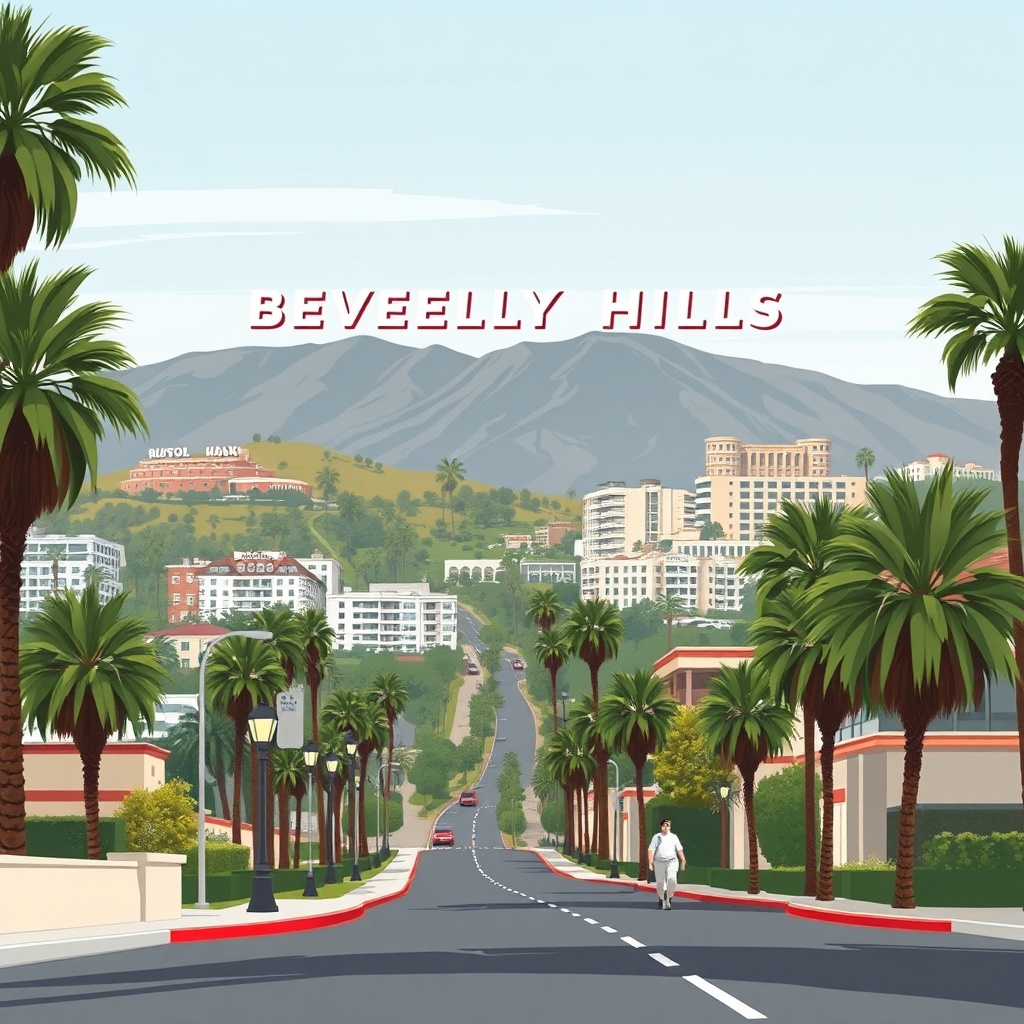
Beverly Hills blends timeless glamour with a quietly modern lifestyle, making it a standout neighborhood for visitors and residents who want luxury, culture, and convenience in one walkable package.

Why people come
Rodeo Drive remains the headline attraction for high-end shopping: flagship boutiques, designer showrooms, and discreet personal-service ateliers line the block. Beyond window shopping, the area delivers destination dining that ranges from iconic hotel restaurants to intimate bistros and chef-driven tasting menus. Boutique hotels and celebrated properties offer classic glamour alongside contemporary amenities, making the city a favorite for special occasions and luxury stays.

Things to see and do
– Beverly Gardens Park: The planted gardens, walking paths and the famous Beverly Hills sign make this a popular photo stop and a peaceful spot to pause between shopping and appointments.

– Cultural venues: The city supports a lively performing-arts scene with intimate theaters and galleries hosting rotating exhibits, concerts and community programming.
– Historic estates and landmark properties: Notable mansions and manicured gardens are often visible from public areas or accessible during special open days, while numerous film and television productions continue to use Beverly Hills as a backdrop.
– Farmers market and local events: Weekly markets and seasonal events showcase local food producers, artisanal goods and community life, adding an approachable, neighborhood side to the city’s luxury reputation.

Living and real estate
The residential landscape is a mix of architecturally significant homes, contemporary new builds, and upscale condominiums. Privacy, mature landscaping and discreet security are top priorities for many homeowners. The market favors properties that combine classic charm with modern conveniences—high-performance home systems, wellness-focused design and indoor-outdoor living spaces remain in strong demand. For buyers and renters, proximity to downtown amenities, schools and transportation hubs often factors heavily into decisions.

Sustainability and public space
Tree-lined streets, public gardens and municipal initiatives reflect the city’s efforts to balance urban life with environmental considerations. Programs encouraging water-wise landscaping, native plantings and energy-efficient upgrades are part of local planning priorities, supporting both curb appeal and long-term resilience. Public art and street improvements contribute to a sense of civic pride, while small-scale mobility options make short trips around the city easier.

Getting around and practical tips
Parking is available through metered lots and private garages, and many shops offer valet service; planning ahead helps during peak shopping hours and events.

Beverly Hills image

Rideshare services are widely used, and the city’s compact footprint makes many attractions reachable by foot. For visitors, building an itinerary around neighborhoods—shopping, dining and cultural stops within a short walk—creates the most enjoyable experience.

Why it endures
Beverly Hills continues to balance the expectations of luxury with real-world livability. It’s a place where iconic storefronts sit beside local institutions, where private gardens meet public parks, and where modern lifestyle trends—wellness, sustainability and curated dining—are integrated into a setting that still feels exclusive. Whether visiting for an afternoon or considering a longer stay, the neighborhood offers a distinct combination of style, service and substance.