The Grammys Explained: What They Measure, Why They Matter, Trends to Watch, and Tips for Artists

The Grammys remain one of the most watched and debated events in music, blending high-stakes awards with headline-making performances and fashion moments. Whether you follow for the red-carpet looks, the surprise collaborations on stage, or to see which artists receive peer recognition, the show continues to shape careers and cultural conversation.

What the Grammys measure
The awards are presented by a community of music professionals and aim to honor artistic achievement, technical proficiency, and overall excellence—rather than just commercial success. Submissions are reviewed by committees and voting members who represent a wide range of industry roles: producers, songwriters, engineers, and performers.

Categories span performance, songwriting, production, and genre-specific awards, which helps spotlight both mainstream and niche work.

Why a Grammy still matters
A trophy can be a career multiplier. Winners often see increased streaming, higher bookings, and broader media exposure.

Songwriters, producers, and engineers can gain long-term credibility that leads to new collaborations and projects.

For fans, a Grammy nod can validate favorite artists; for the industry, it signals tastemaker attention that can shape playlists, festival lineups, and label investments.

Trends shaping the show
– Genre fluidity: Award categories are reflecting music that blends styles. Pop, hip-hop, country, and global sounds increasingly overlap on releases and nominations alike.
– Emphasis on songwriting and production: Behind-the-scenes contributors receive growing recognition, and technical categories draw more interest as producers and engineers become household names.
– Streaming and social influence: Playlist placement and viral moments can boost an artist’s visibility among voting members and the public, altering campaign strategies.

– Global perspectives: International sounds and collaborations are more present, expanding the Grammys’ cultural reach and encouraging cross-border partnerships.

What to watch during the broadcast
Performances are designed for impact—unexpected pairings and medleys often create the evening’s most-talked-about moments. Production tends to favor cinematic staging, while tributes and lifetime achievement segments highlight music history.

Keep an eye on category timing: major awards are typically spread across the show to maintain momentum, and some genre categories are presented during the lead-up telecast.

Grammys image

Tips for artists and industry pros
– Submit early and follow entry rules carefully; eligibility nuances matter.

– Campaign strategically: peer outreach and visibility among voting members help, but authenticity in music remains crucial.

– Network across disciplines—songwriters, producers, and engineers expand influence when they collaborate broadly.
– Use performances and nominations to build long-term narratives, not just short-term hype.

For fans and bettors
Predicting winners requires more than chart performance.

Look at peer respect, critical reception, and industry visibility. Social chatter and grassroots fan campaigns can sway attention, but many categories still reward craftsmanship and innovation.

The Grammys continue to evolve with the music industry while preserving their core mission: recognizing artistic excellence. The show’s mix of prestige, spectacle, and cultural relevance ensures it remains a focal point for artists, industry insiders, and music lovers alike.

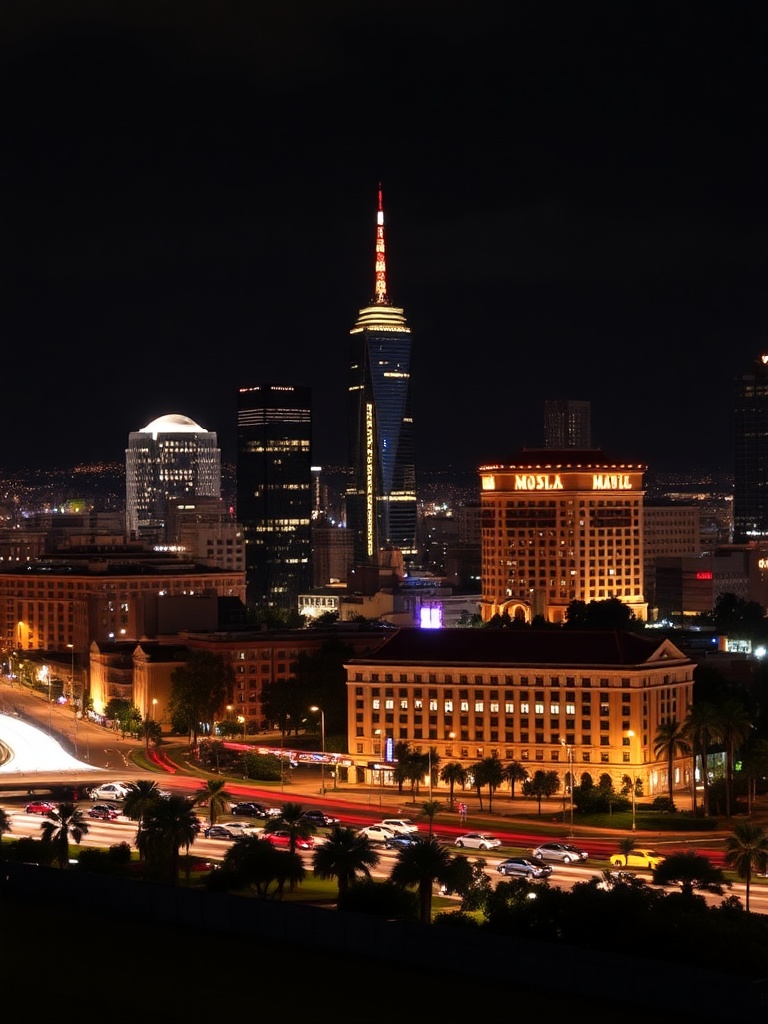
Beverly Hills Travel Guide: What to See, Do & Eat — Insider Tips and Hidden Gems

Beverly Hills evokes a particular kind of glamour—tree-lined boulevards, palm-fringed skylines, and a shopping scene that sets trends worldwide. Beyond the glossy storefronts and celebrity sightings, the city blends historic charm, architectural variety, and an evolving focus on livability that makes it worth a closer look for visitors and locals alike.

What to see and do
– Stroll Rodeo Drive and the Golden Triangle to experience luxury retail, window-shopping artistry, and polished public art installations. Even if high-end shopping isn’t on the agenda, the street architecture and café terraces are quintessential Beverly Hills.
– Visit iconic landmarks such as the famed pink-hued hotel along Sunset and the well-photographed Beverly Hills sign in the gardens near the main boulevard—easy stops for classic photos and people-watching.
– Explore quieter green spaces and historic estates. Public gardens, walking paths, and a few notable mansions open for guided tours or special events offer a glimpse of the city’s layered history and design legacy.

Beverly Hills image

– Catch a performance at the local performing arts center or browse seasonal art shows and festivals that bring contemporary creators into the public sphere.

Why the neighborhood works
Beverly Hills balances upscale amenities with everyday conveniences. Tree-lined residential streets provide a peaceful contrast to the bustling shopping districts, and pockets of mid-century modern, Spanish Colonial, and contemporary architecture make neighborhood walks visually rewarding.

The city is also increasingly focused on sustainability—public charging stations, drought-tolerant landscaping in public spaces, and neighborhood recycling programs are part of ongoing efforts to modernize urban infrastructure while preserving the city’s aesthetic appeal.

Dining and hospitality
Dining options range from celebrated fine-dining rooms to casual cafés and bistros serving global flavors. Luxury hotels anchor the hospitality scene, offering polished service, spa experiences, and rooftop or garden dining that extend the Beverly Hills vibe into every guest stay. For a more local experience, look for neighborhood cafes and bakeries tucked away on side streets—these are often where residents go for a relaxed brunch or coffee.

Practical tips for visitors
– Timing: To enjoy a quieter stroll and easier parking, plan weekday mornings or early afternoons for shopping and sightseeing.
– Transportation: Public garages and metered street parking are available; rideshare services and local shuttles also help navigate the area. Many visitors combine walking with short rides to cover highlights efficiently.
– Respect local life: Photography in public areas is fine, but be mindful of private property and residential privacy.

The city values discretion and courtesy.
– Book ahead: Popular restaurants, performances, and guided tours can fill up quickly—reservations help avoid disappointment.

A note on discovery
Beverly Hills is more than a postcard of luxury—it’s a living neighborhood balancing glamour with community priorities. Whether you’re drawn by high-design retail, culinary excellence, or simply a pleasant urban stroll beneath palm trees and manicured boulevards, the city rewards slow exploration. Take time to wander side streets, seek out a garden bench, and notice the small details that make Beverly Hills both iconic and quietly human.

How Hollywood Is Reinventing the Theatrical Experience to Make Moviegoing Worth the Trip

Hollywood is quietly recalibrating how films reach audiences, and a major battleground is the theatrical experience. As home viewing options remain abundant, studios and exhibitors are investing in ways to make going to the movies feel unmistakably special—more than just a screen, but an event worth leaving the house for.

Why theaters matter now
Theaters offer something streaming can’t fully replicate: a collective, immersive encounter. That shared energy drives box office momentum, social buzz, and prestige—elements that power awards campaigns and franchise communities alike. Recognizing that, Hollywood is rethinking release strategies and theater offerings to restore a clear value proposition for moviegoers.

What’s changing inside theaters
– Premium formats: IMAX, Dolby Cinema, and laser-projection auditoriums are headline examples. These formats emphasize scale, clarity, and sound depth, compelling fans of spectacle-driven movies to choose theaters over smaller screens.
– Enhanced amenities: Recliner seating, dine-in service, and boutique concessions are increasingly common. These upgrades turn a movie trip into a night out, appealing to audiences who expect comfort and convenience.
– Immersive programming: Some cinemas experiment with live elements—Q&As, themed events, or score-along screenings—that transform a release into an experience. Eventized screenings create urgency and can justify premium ticket prices.

How Hollywood is shaping release strategies
Studios are refining distribution approaches to maximize theatrical impact without cutting off home audiences. Tactics include:
– Strategic exclusivity: Shorter exclusive theatrical windows can help concentrate ticket sales and build box office momentum before films move to home platforms.

– Staggered global rollouts: Tailoring release timing and marketing by territory helps films capitalize on regional holidays and cultural moments, enhancing worldwide grosses while preserving local theatrical appeal.

– Event releases for tentpoles and passion projects: Major franchise entries and prestige titles are often positioned as must-see-in-theater events, with coordinated marketing, premieres, and fan activations.

Marketing and fandom activation
Marketing now emphasizes communal experiences. Studios partner with theaters, influencers, and brands to create shareable moments—photo ops, limited-edition merchandising, and premiere screenings with talent appearances. Fan engagement before and after release (exclusive clips, collectible tie-ins, extended content at theaters) turns single-viewing customers into repeat visitors and advocates.

Challenges and opportunities
Rising ticket costs, competition from home entertainment, and shifting audience habits are ongoing challenges. Yet opportunities exist: smaller indie films benefit from unique theatrical runs that target local communities and film festivals, while blockbusters employ spectacle and fan service to lift attendance. Collaboration between studios and exhibitors—sharing data, aligning promotions, and experimenting with loyalty programs—can unlock new revenue streams.

What this means for moviegoers
Audiences today can expect more purpose-built theatrical experiences: improved comfort, higher visual and audio fidelity, and programming that rewards communal attendance. For those who value spectacle, surprise, or the thrill of a packed house cheering a favorite franchise or discovering a breakout film, theaters are becoming worth the trip again.

The takeaway for Hollywood and exhibitors is clear: creating exclusive, memorable, and share-worthy theatrical moments helps reclaim the cultural power of cinema. When a trip to the theater delivers something distinct from home viewing, audiences respond—turning singular releases into shared moments that resonate far beyond opening weekend.

Hollywood image

Beverly Hills Travel Guide: Top Attractions, Luxury Shopping, Dining & Neighborhood Tips

Beverly Hills remains a global symbol of luxury, style, and carefully curated urban life.

Whether you’re planning a short visit or scouting neighborhoods for a longer stay, the city offers a concentrated experience of high-end shopping, iconic architecture, refined dining, and surprisingly accessible green spaces.

Beverly Hills image

What to see and do
– Rodeo Drive: Synonymous with designer labels and window-shopping theatre, this stretch is ideal for spotting trendsetting storefront displays and enjoying people-watching. Plan an early-morning stroll for photos with softer light and fewer crowds.
– Beverly Gardens Park: A peaceful linear park featuring the famous palms and the signature Beverly Hills sign. It’s perfect for a relaxed walk, a picnic, or a break between shopping stops.
– Greystone Mansion & Gardens: Set on a grand estate, the gardens and architecture attract visitors who appreciate historic homes, cinematic backdrops, and serene landscaping.
– Cultural venues: The city hosts intimate performing arts and exhibition spaces where curated theater, music, and visual arts programs offer a quieter counterpoint to the glamour.

Dining and hospitality
Beverly Hills balances legacy hotels and boutique properties with contemporary hospitality concepts. Dining options range from Michelin-recognized restaurants to neighborhood bistros and elegant patisseries. For a refined experience, book ahead for dinner at high-demand tables and look for chef tasting menus or prix fixe offerings that showcase seasonal ingredients. Casual visitors will find excellent cafés and salad-forward spots catering to health-conscious palettes without sacrificing taste.

Shopping smart
Luxury retail is the headline, but there’s more to uncover: local boutiques, specialty menswear shops, bespoke jewelers, and art galleries. If you’re buying high-end pieces, ask about in-store services like private viewing rooms, personal shoppers, and discreet delivery. For collectors and design fans, antique dealers and interior showrooms present a quieter way to bring Beverly Hills style home.

Neighborhood character and real estate
Residential neighborhoods pair privacy with architectural diversity—Mediterranean villas sit alongside modernist and mid-century homes. Landscaped lots, mature trees, and controlled commercial corridors create a neighborhood feel that’s both exclusive and welcoming. Buyers often prioritize privacy, smart-home technology, and outdoor living spaces that maximize year-round Southern California weather.

Green initiatives and urban comfort
Municipal priorities emphasize sustainable landscaping, water-wise plantings, and increased electric-vehicle infrastructure across public parking and commercial zones. Many properties and businesses are adapting with native drought-tolerant gardens, smart irrigation, and energy-efficient retrofits that blend sustainability with luxury aesthetics.

Practical tips for visitors
– Parking: Public garages and metered street parking are available; consider valet at hotels or flagship stores if you prefer a hands-off approach.
– Getting around: The city is walkable in its main districts, but for broader exploration, ride-share services and local shuttles simplify travel between attractions.
– Etiquette: Respect privacy—celebrity spotting can happen, but avoid intrusive photography and follow private-property boundaries.
– Best times: Mornings and weekdays tend to be quieter for shopping and sightseeing; evening dining offers a lively scene with a refined crowd.

Beverly Hills blends polished glamour with thoughtful urban design, offering visitors and residents a lifestyle that values discretion, quality, and curated experiences. Whether you come for the boutiques, the gardens, or the architecture, the city rewards close attention and a slower pace that reveals its subtler charms.

Get Nominated for the Grammys: How the Awards Have Evolved and What Artists Must Prioritize

The Grammys remain one of the music industry’s most visible barometers of taste and influence. While the ceremony still celebrates high-profile winners and show-stopping performances, its footprint now extends far beyond a televised awards night. Changes in how music is made, distributed, and consumed have reshaped what the awards recognize and how nominees are selected, making the Grammys an evolving reflection of modern music culture.

Grammys image

How the Grammys are changing
– Expanded categories and recognition: Categories have been adjusted to better reflect genre fluidity and the role of behind-the-scenes creators. Producers, songwriters, and engineers have received growing attention, with craft awards gaining prestige and public visibility.
– Streaming and playlist influence: Streaming platforms and playlist placements play a significant role in an artist’s reach. While sales and radio still matter, playlists and viral moments can catalyze awareness that contributes to nomination momentum.
– Cross-genre collaboration: Genre boundaries are increasingly porous. Collaborations that blend styles tend to create cultural moments that attract attention from voters and viewers alike.
– Visibility and broadcast evolution: The ceremony’s broadcast and promotional strategy now leans into multi-platform engagement, with live clips, social-first performances, and behind-the-scenes content designed for short-form sharing.

What artists should prioritize
– Strong metadata and credits: Accurate songwriting and production credits are crucial.

Ensure all collaborators are listed correctly across platforms and registries so contributions are tracked and eligible.
– Strategic release planning: Release timing and promotional campaigns matter. Building sustained momentum through playlists, press, and live performance gives a project a better chance of standing out during nomination rounds.
– Focus on craft and distinctiveness: Voters respond to artistry that feels both expertly executed and original. Invest in songwriting, production quality, and a clear artistic identity.
– Engage industry peers: The awards are determined by music professionals. Building genuine relationships with fellow artists, producers, and engineers—through collaboration and professional networks—can increase familiarity and support.
– Promotion that reaches voters: Targeted publicity that reaches music industry members, tastemakers, and niche communities can make a difference. Educational materials, press packets, and performance reels that highlight artistic intent and craft help contextualize work for voters.

What audiences can expect
The televised show continues to be a destination for unexpected pairings and high-production performances that create cultural conversation. Social platforms extend the impact, turning standout moments into short-form highlights that drive streams and chart gains.

Fans should also expect increased visibility for songwriters and producers, whose contributions are more often spotlighted during pre-telecast awards and feature segments.

Transparency and representation remain front-of-mind topics among artists and audiences.

Ongoing conversations about voting processes and diversity have pushed organizers toward reforms and clearer communication, making the awards’ evolution a subject of active public interest.

Why it still matters
Winning or being nominated can elevate an artist’s career trajectory—opening doors for collaborations, festival slots, and broader audience reach.

Even outside awards recognition, the Grammys function as a major cultural amplifier: a performance or nomination often sparks renewed streaming interest and media coverage that lasts well beyond awards night.

For up-to-date nomination guidelines and submission windows, consult the official Recording Academy resources and keep an eye on industry publications. Staying informed, cultivating craft, and maintaining strong professional networks are the most reliable strategies for artists aiming to make an impact during awards season.

How the Grammys Work and Why They Still Matter: A Practical Guide for Artists, Producers, and Fans

The Grammys remain one of the most influential music awards, shaping careers, boosting streams, and spotlighting the craft behind the songs listeners love. Whether you follow the televised show, track nominations, or work in music, understanding how the Grammys function and why they matter helps artists and fans navigate the modern music landscape.

What the Grammys represent
The Grammy Awards are presented by the Recording Academy and honor artistic and technical excellence across recorded music. Unlike purely sales- or chart-based awards, the Grammys reflect peer recognition: members of the music community cast ballots to acknowledge outstanding work in performance, songwriting, production, and other behind-the-scenes roles.

Winning or earning a nomination often brings renewed attention, playlist placements, and a measurable bump in consumption.

How nominations and voting work
Entry and eligibility depend on submission and screening processes managed by the Recording Academy. Submissions are reviewed for category placement, then voting members—professionals with music-making credentials—participate in nomination and final voting rounds.

Committees and specialty panels sometimes provide expertise on genre boundaries to ensure nominations represent the field accurately. The system aims to balance broad peer input with specialist knowledge.

Trends shaping the Grammys today
– Genre fluidity: Artists increasingly blend styles, prompting category reexamination and conversations about how to classify boundary-pushing work.
– Streaming’s influence: Streaming platforms and social media affect visibility and momentum, but peer evaluation remains central to Grammy outcomes.
– Production and songwriting recognition: Behind-the-scenes contributors have gained more attention, with technical categories highlighted as key components of artistic success.
– Diversity and representation: The Academy continues to face pressure to reflect the music community’s diversity, prompting changes in membership outreach and category refinements.

Why the Grammys still matter for artists
A nomination can catalyze career opportunities—from festival bookings to sponsorships and sync placements. The award’s prestige often validates artistic risk-taking, elevates profiles for niche genres, and increases catalog consumption. For producers and songwriters, recognition can open doors to new collaborations and higher demand.

Tips for artists and teams
– Submit thoughtfully: Ensure recordings are entered in the most appropriate categories and meet submission guidelines.

– Build industry relationships: Membership in professional circles and peer recognition can matter during voting seasons.
– Focus on craft: Technical excellence in recording, mixing, and songwriting remains a core criterion for many voters.
– Use the moment: If nominated, align promotion, press, and performance opportunities to maximize visibility and streaming momentum.

Grammys image

What fans should know
Most awards are decided by music professionals rather than public voting, though occasional fan-focused initiatives exist. Watching performances and following nominees provides a snapshot of current trends and highlights that may influence playlists and listening habits.

The Grammys continue to evolve alongside the music industry. For artists, producers, and fans, they offer a benchmark of peer recognition and a platform that can change careers—while also sparking ongoing conversations about how music is categorized, judged, and celebrated.

Bel Air, Los Angeles: Luxury Homes, Architecture and Hillside Living

Bel Air blends cinematic glamour with quiet, leafy residential charm. Tucked into the hills between Westwood and the Sepulveda Pass, the neighborhood is defined by winding streets, dramatic views, and an architectural mix that ranges from Mediterranean revival and classic estates to sleek midcentury modern houses. For anyone interested in Los Angeles lifestyle, architecture, or luxury real estate, Bel Air offers a concentrated look at how privacy, design, and nature converge.

Why people are drawn to Bel Air
– Privacy and prestige: Many properties are gated or set behind long driveways, appealing to residents who prize discretion. Mature trees and hillside lots enhance seclusion and views.
– Architectural variety: Bel Air showcases work from top architects and designers, with original midcentury homes, Spanish-inspired villas, and custom contemporary builds. Preservation of character often sits alongside bold new construction.
– Proximity to cultural hubs: Bel Air sits close to major cultural and educational institutions, world-class museums, and vibrant dining neighborhoods, making it easy to balance seclusion with city amenities.

Outdoor life and recreation
The neighborhood’s topography supports a surprising amount of outdoor activity. Quiet canyon trails and scenic drives along the ridgelines reward hikers and cyclists with sweeping views of the city and the ocean on clear days. Several private and semi-public green spaces provide opportunities for morning walks, and the area’s mature landscaping and native planting initiatives encourage local wildlife and a sense of place.

Real estate considerations
Owning in Bel Air combines the benefits of luxury living with unique responsibilities. Many lots are steep or terraced, which can mean higher maintenance costs for retaining walls, drainage, and landscaping. Buyers should also factor in privacy upgrades, long-entry drives, and gate systems when calculating renovation budgets.

Consultation with architects and engineers experienced in hillside properties is wise—thoughtful design can turn challenging parcels into spectacular homes that maximize light and views while respecting the landscape.

Safety and sustainability
Hillside neighborhoods like Bel Air often prioritize defensible-space landscaping and water-wise gardening. Native drought-tolerant plants, efficient irrigation, and smart exterior lighting help reduce environmental impact and improve resilience. Local homeowner associations and community groups frequently share resources and guidance on sustainable practices and emergency preparedness.

Visiting Bel Air
Bel Air’s streets are largely residential and private, so visitors should be respectful of neighborhood privacy. Public access points and nearby attractions—such as cultural institutions and scenic overlooks—offer ways to experience the area without intruding on residents.

For design enthusiasts, simply driving through the neighborhood or pausing at permitted viewpoints provides a study in proportion, material, and landscape integration.

Community vibe
Despite its reputation for exclusivity, Bel Air hosts active community organizations that focus on neighborhood preservation, safety, and environmental stewardship. These groups often work with city agencies on traffic calming, slope stabilization, and tree management—efforts that keep the area livable while preserving its distinct character.

Whether you’re scouting architecture, considering a move, or curious about Los Angeles’s hill-country lifestyle, Bel Air remains a compelling example of how natural setting, thoughtful design, and privacy-oriented planning come together.

The neighborhood rewards attention to detail—on the part of homeowners, designers, and visitors alike—with a blend of serenity and sophistication that feels uniquely Los Angeles.

Bel Air image

LA River Revitalization: A Practical Guide for Angelenos to the New Greenway, Trails, and Climate Benefits

LA River: From Concrete Channel to Urban Greenway — What Angelenos Need to Know

The Los Angeles River has been undergoing a quiet transformation that’s reshaping how people move, play, and connect across the region. Once known primarily as a concrete flood-control channel, the river corridor is now a growing network of parks, trails, and restored habitat that links neighborhoods from the San Fernando Valley to Long Beach.

Why the river matters now
The river’s makeover tackles multiple priorities at once: improving public access to open space, boosting climate resilience through stormwater capture and native plantings, and creating safer walking and cycling routes. For a city that faces heat, flood risk, and limited parkland in many neighborhoods, the river corridor is an efficient way to deliver environmental, recreational, and economic benefits in one long, linear project.

What’s being built and restored
Projects along the river vary in scale.

Some stretches focus on ecological restoration—removing invasive plants, reintroducing native species, and creating wetland habitat to improve water quality and biodiversity. Other efforts prioritize recreation: continuous multi-use trails, bike-friendly connections to transit, pocket parks, kayak launches, and plazas that host community events.

LA image

Public agencies, local nonprofits, and neighborhood groups collaborate on these projects. Funding comes from a mix of municipal budgets, county measures, state and federal grants, and private partnerships. This patchwork approach means progress can be uneven, but it also allows local priorities to guide design and programming in each area.

Challenges to address
Revitalization brings trade-offs. Increased investment near riverfronts can spur development that raises property values—and the risk of displacement for longtime residents. Water quality remains a concern: urban runoff, contaminants, and legacy pollutants require ongoing monitoring and treatment to make the river truly healthy for wildlife and people. Long-term maintenance of parks and trails needs dependable funding to avoid the “build-it-and-forget-it” problem.

How the river improves climate resilience
Green spaces along the river act as natural sponges during heavy storms, reducing downstream flood impacts. Native vegetation can lower local temperatures and provide habitat corridors for birds and pollinators. Many projects incorporate stormwater capture systems that replenish groundwater and reduce reliance on imported water—critical for regional sustainability.

Practical ways to experience the river
– Walk or bike the multi-use trails: Several continuous segments now offer scenic routes ideal for commuting or weekend rides. Use local trail maps and bike-share options to plan a route.
– Join community restoration events: Neighborhood groups host habitat cleanups, planting days, and educational walks—great ways to learn and contribute.
– Try guided tours and paddling programs: Some organizations offer guided kayak and canoe outings when water conditions allow, plus interpretive walks that highlight ecology and history.
– Visit riverfront parks and plazas: From larger parks to small green pockets, these spaces host markets, art installations, and performances that bring local culture to the waterfront.

How residents can influence the future
Get involved with community planning meetings, support funding for equitable park maintenance, and advocate for affordable housing policies near riverfront investments to prevent displacement.

Volunteering and attending public workshops are practical ways to shape how the river corridor serves all Angelenos.

The river is no longer just infrastructure—it’s becoming a living public asset that reconnects communities, supports biodiversity, and adds much-needed open space. Whether biking a new stretch of trail, planting native species, or simply enjoying a shaded spot beside the water, there are many ways to engage with the river’s evolving story.

Los Angeles Local Guide: Neighborhoods, Transit Tips, Best Eats & Outdoor Adventures

Explore Los Angeles Like a Local: Neighborhoods, Transit, Food, and Outdoor Life

Los Angeles is a sprawling city of distinct neighborhoods, creative energy, and endless outdoor possibilities. Whether visiting for a weekend or navigating daily life, a few smart strategies help turn hectic commutes into enjoyable exploration.

LA image

Get Around Smarter
– Use public transit for dense corridors: Metro lines connect downtown with key hubs, offering an affordable alternative to driving. A reloadable transit card and a transit app make transfers seamless.
– Mix micromobility and rideshares: E-bikes and scooters are ideal for short hops in flat neighborhoods like Venice and Hollywood. For longer or late-night trips, rideshare apps fill the gaps.
– Time travel—avoid rush hours: Traffic is most forgiving mid-morning or after evening peaks.

If driving, park once and walk or bike; many areas are more enjoyable on foot.

Neighborhoods Worth Exploring
– Downtown (DTLA): From historic Broadway theaters to rooftop bars and the revitalized arts district, downtown blends commerce and culture.

Farmers markets and food halls provide quick, local bites.
– Silver Lake and Echo Park: Trendy cafes, indie boutiques, and scenic reservoirs define these neighborhoods.

Walkable blocks and basement record shops reward slow exploration.
– Koreatown: A compact area packed with late-night dining, karaoke rooms, and Korean spas. It’s a culinary hub for barbecue, fusion dishes, and authentic street food.
– Venice and Santa Monica: Beachfront paths, pier attractions, and vibrant boardwalk culture make these spots ideal for cycling, people-watching, and sunset strolls.
– Highland Park and Echo Park: Rising craft food scenes, mural-lined streets, and vintage shops create a strong neighborhood identity without tourist crowds.

Food and Drink Trends
LA’s food scene is a melting pot of global influences.

Street tacos remain a beloved staple, while farm-forward restaurants emphasize local produce and climate-conscious menus. Look for late-night snack spots, chef-driven food halls, and hidden coffee shops in side streets. For a budget-friendly culinary tour, mix a few taco stands, a neighborhood bakery, and a food market stall.

Outdoor and Active Options
– Hills and views: Urban hikes reward with skyline panoramas. Trails vary from easy loops to steeper climbs—pack water, sun protection, and comfortable shoes.
– Beach activities: Paddleboarding, volleyball, and long coastal bike rides are accessible along the shoreline.

Public bike paths link several beach communities.
– Parks and greenways: Large parks offer picnic spots, weekend markets, and free outdoor events. River revitalization projects and wetlands preserves invite birdwatchers and casual strollers.

Arts, Culture, and Nightlife
LA’s cultural calendar runs year-round with outdoor concerts, gallery openings, and film screenings. Street art and murals change frequently—explore curated mural walks or visit neighborhood galleries for emerging artists. Nightlife ranges from intimate music venues to lively karaoke bars; book ahead for popular shows.

Practical Tips
– Dress in layers: Microclimates mean cool mornings and warm afternoons.
– Carry reusable water and sun protection: Hydration and shade are underrated essentials.
– Be mindful of parking rules and neighborhood etiquette: Respect residential streets and private property.
– Plan for safety: Stay aware of surroundings, stick to well-lit public spaces at night, and use trusted transport options.

With thoughtful planning and a flexible attitude, Los Angeles reveals hidden corners beyond the postcards—local eateries, quiet viewpoints, and creative communities that make the city feel both vast and unexpectedly intimate.

Posted in LA

How the SAG Awards Shape Awards Season Through Peer Voting and Ensemble Honors

The SAG Awards, presented by SAG-AFTRA, remain one of the most talked-about events in film and television because they represent peer recognition from actors themselves. Unlike many industry ceremonies judged by critics or academy branches with diverse crafts, these awards carry a particular gravitas: performers honoring performers. That peer-driven perspective gives the SAG Awards unique influence across awards season and the entertainment landscape.

What sets the SAG Awards apart
– Peer voting: Actors vote for actors, which shines a light on craft choices, ensemble chemistry and authentic performance work.
– Ensemble awards: Celebrating entire casts — in both motion pictures and television — spotlights collaboration and the cumulative power of strong casting and direction.
– Craft inclusions: Categories that honor supporting roles and stunt ensembles recognize often-overlooked contributors who shape memorable moments on screen.

Why industry attention matters
Winners at the SAG Awards can boost a performer’s visibility among industry decision-makers and the wider public.

Because actors are the voting body, a SAG win signals respect from colleagues, which can influence casting decisions, contract negotiations and awards momentum. For fans and pundits, the nominations are a snapshot of performances that resonated within the professional community.

Diversity, representation and craft recognition
The SAG Awards increasingly reflect demands for more inclusive storytelling and representation. Nominations often highlight projects with diverse casts and complex roles that break conventional molds. The ensemble focus encourages projects to invest in casting breadth rather than relying solely on star power. In addition, recognition for stunt ensembles and supporting players underscores a growing industry appreciation for technical excellence and collaborative storytelling.

Red carpet and cultural moments
The SAG Awards red carpet remains a cultural touchpoint where fashion, personal statements and solidarity converge. Performers use the stage and the carpet to showcase designers, raise awareness for causes and make statements about industry conditions. Those moments often resonate beyond entertainment media, shaping conversations about style, activism and labor.

How nominations and voting work (overview)
Nominations are typically determined through a process that combines peer review and member voting, while final winners are chosen by a broader voting pool of SAG-AFTRA members. This structure balances industry expertise with wider peer assessment, helping surface both breakout performances and established talent.

What to watch for as a viewer

SAG Awards image

– Ensemble strength: Notice how scenes play off multiple performers — strong ensembles often translate to awards recognition.
– Subtle work: Because actors appreciate nuance, understated performances can carry weight.
– Craft categories: Supporting roles and stunt ensembles can indicate production values and collective excellence not always visible in headline categories.

How fans can follow the event
The ceremony is broadcast and available via major streaming or network partners, accompanied by comprehensive red-carpet coverage and post-show analysis from industry outlets. Social media and entertainment sites provide live commentary and highlight clips that capture standout speeches and memorable moments.

The lasting value
Beyond trophies and televised moments, the SAG Awards reinforce the central role of performance in storytelling.

They are a reminder that acting is both individual artistry and collaborative craft. For actors, a SAG nod is peer acknowledgment; for audiences, it’s a curated guide to performances worth seeking out.

Watching the SAG Awards offers insight into the performances shaping contemporary screen culture and points toward projects and performers likely to remain relevant in the conversations that follow.