Bel Air: prestige, privacy, and hillside living define one of Los Angeles’ most coveted neighborhoods. Nestled in the Westside canyons, Bel Air blends sweeping views, iconic architecture, and a low-density residential character that attracts buyers and visitors seeking quiet luxury close to the city.
What makes Bel Air unique
– Topography and privacy: Bel Air’s winding roads and canyon lots create natural buffers between estates, offering residents a sense of seclusion you won’t find in denser neighborhoods. Many homes sit on ridgelines with panoramic views of the city, ocean, and surrounding hills.
– Architectural variety: From Mediterranean and Georgian revival mansions to clean-lined mid-century modern homes and contemporary compounds, Bel Air showcases a range of high-end residential styles. Thoughtful landscaping and mature trees help integrate properties into the hillside setting.
– Hospitality and social life: The neighborhood hosts a handful of exclusive institutions and luxury hospitality options. Small-scale village amenities and nearby shopping and dining in adjacent Westside neighborhoods keep daily needs within reach while preserving Bel Air’s tranquil atmosphere.
Outdoor life and recreation
Bel Air is more than manicured estates. A network of trails and canyon access points invites hikers and nature lovers to explore the Santa Monica Mountains foothills. Popular local walks offer birdwatching, native flora, and vantage points for sunset viewing. For golf and country-club amenities, private clubs in and around Bel Air provide classic Westside leisure options.
Real estate considerations
Buying in Bel Air often means trading urban bustle for space, privacy, and land.
Typical considerations for prospective buyers include:
– Lot size and slope: Hillside engineering, retaining walls, and drainage planning are common concerns. Inspectors and geotechnical reports are essential for sloped properties.
– Privacy and security: Gated entries, mature vegetation, and security systems are standard. Many properties have long driveways and discrete service access to preserve privacy.
– Maintenance and utilities: Large pools, extensive landscaping, and hillside infrastructure require ongoing maintenance—factor these costs into ownership budgets.
– Resale and renovation: The neighborhood’s prestige supports strong demand, but architectural restrictions, homeowner association guidelines, and local permits can influence renovation scope and timelines.
Visiting Bel Air
For visitors, a drive along the winding roads offers a glimpse into the variety of estate styles and canyon vistas. Boutique hotels and nearby cultural venues provide places to stay and explore. Photography and sightseeing are popular, but respect for residents’ privacy and street-level signage is essential.
Community and preservation
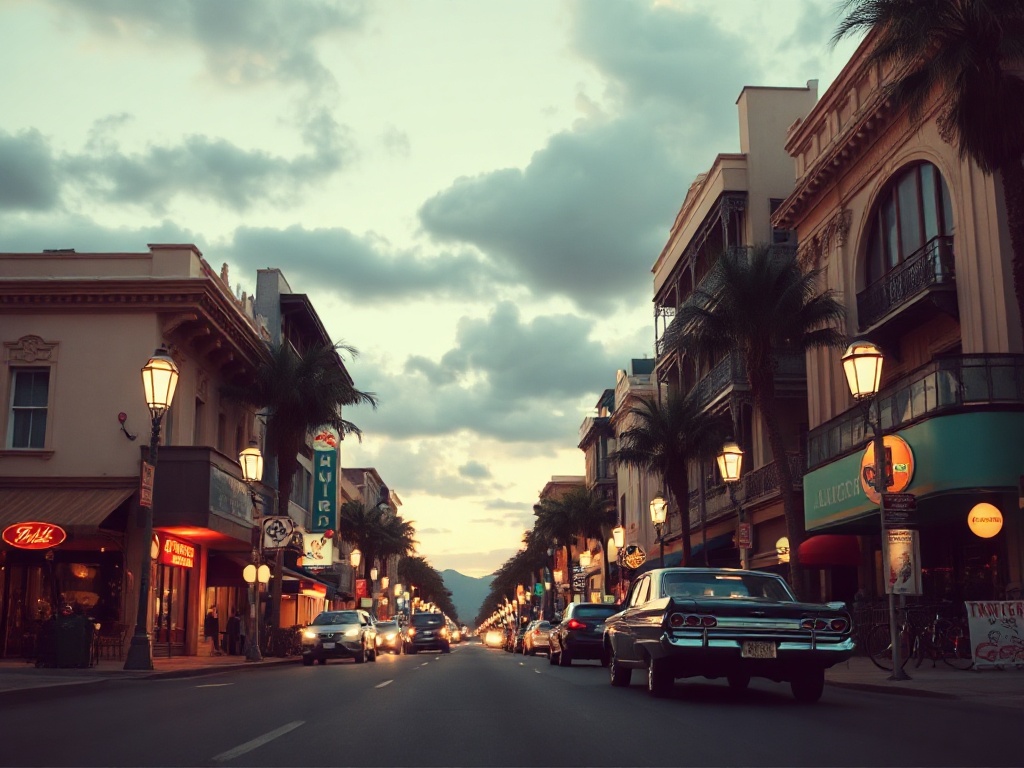
Neighborhood associations and local planning bodies work to balance development pressures with canyon conservation and quality-of-life issues. Efforts often focus on wildfire preparedness, slope stabilization, and maintaining the low-density character that defines the area.
Whether you’re scouting luxury real estate, seeking a serene Westside retreat, or simply curious about Los Angeles’ storied neighborhoods, Bel Air represents a distinctive blend of natural topography and cultivated elegance. For those considering a move or investment, partnering with local experts who understand hillside engineering, zoning, and the nuances of Bel Air living can make the difference between a dream property and a complicated project.