Hollywood is reshaping itself around three powerful forces: where audiences watch, how studios finance projects, and what kinds of stories get greenlit. Understanding these trends helps creators, producers, and moviegoers navigate an industry that’s both tradition-rich and fast-moving.
Where people watch: streaming vs. theaters
Streaming remains central to how audiences consume content, but theatrical releases are showing renewed strategic value. Studios increasingly use theater windows to build event status for blockbuster titles while reserving streaming for serialized storytelling and niche audiences. Expect more hybrid release patterns: major tentpoles premiering in theaters with coordinated streaming windows that preserve box office potential and global reach. For audiences, this means blockbuster tentpoles will keep the big-screen spectacle, while limited series and original dramas will remain streaming staples.
Franchise evolution and franchise fatigue
Franchises still dominate budgets and attention, but fatigue is pushing studios toward smarter extensions.
Instead of launching endless sequels, there’s a stronger focus on quality over quantity: tighter creative oversight, character-driven spin-offs, and cross-platform storytelling that rewards long-term viewers. This shift also opens space for original, mid-budget films to stand out when marketed correctly—especially those that tap into underserved genres or cultural perspectives.
Theatrical experience is being reimagined
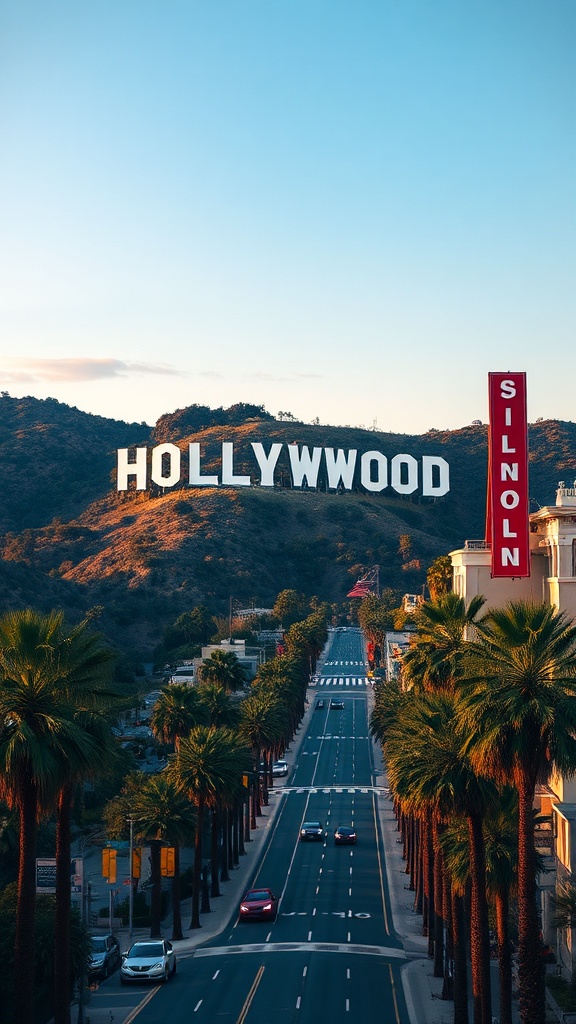
To entice audiences back into cinemas, exhibitors and studios are investing in enhanced experiences. Premium formats, immersive screenings, and event-oriented releases—complete with live Q&As, themed screenings, and expanded merchandising—are becoming common. These strategies turn films into social experiences you can’t reproduce at home, reinforcing the theater as a destination rather than a default.
Diversity, equity, and new voices
Pressure for authentic representation is influencing every stage of production, from development to marketing. More stories by and about historically underrepresented communities are reaching wide audiences, and inclusive casting is proving to be both culturally resonant and commercially viable. This is driving a broader variety of films and series into mainstream visibility, and industry gatekeepers are increasingly measured by the diversity of their output.
The rise of prestige limited series
The limited series format continues to attract top-tier talent who want cinematic storytelling without long-term TV commitments. These projects often blur the line between film and television—offering production values on par with theatrical releases and creative freedom attractive to established actors and auteurs.
For viewers, limited series provide high-impact narratives with clear beginnings and endings that feel rewarding and complete.
International markets and financing shifts
Global box office and international streaming subscribers are major considerations for financing and release strategies.
Films engineered for broad cultural resonance and universal themes tend to perform better overseas, prompting co-productions and talent pairings aimed at global appeal. Meanwhile, alternative financing models—including brand partnerships and pre-sales—are being used to de-risk projects and enable more mid-budget and indie films to get made.
What creators and audiences can expect next
Creators should focus on strong, character-first storytelling, scalable IP that can live across formats, and marketing that targets passionate niche audiences as well as mass viewers. Studios will continue refining release strategies to balance theatrical prestige with streaming subscriber goals. Audiences can look forward to a healthier mix of blockbuster spectacle, original mid-budget films, and high-quality limited series that prioritize storytelling depth.
Hollywood’s landscape remains dynamic: tradition and innovation are negotiating new terms, and the winners will be those who adapt to changing audience habits while keeping creative excellence front and center.