Malibu blends rugged coastline, surf culture, and a strong conservation ethic—making it one of the most distinctive coastal destinations along the Southern California shoreline. Whether you’re planning a day trip or considering relocating, understanding Malibu’s natural assets and the stewardship challenges that come with them makes for a richer experience.
Beaches and coastal attractions
Malibu’s beaches range from broad, family-friendly stretches with gentle waves to hidden coves framed by cliffs. Popular sandy spots draw surfers, sunbathers, and photographers alike, while rocky outcrops and tide pools reward low-tide explorers with close-up views of marine life. For scenic views and whale-watching opportunities during migration windows, head to elevated overlooks or the bluffs above the shoreline. Beach etiquette matters: observe posted access points, pack out trash, and avoid trampling fragile dune vegetation.
Outdoor recreation beyond the sand
The nearby ridgelines and canyons of the coastal mountains offer a network of trails for hikers, trail runners, and mountain bikers.
Well-known trailheads lead to panoramic vistas of the Pacific, oak woodlands, and seasonal streams.
Malibu Creek and its surrounding parklands provide smaller-scale wilderness that’s ideal for families and for anyone seeking a break from the beach bustle.
Check trail conditions and parking guidelines before heading out, and stay on designated paths to protect native habitats.
Environmental issues and stewardship
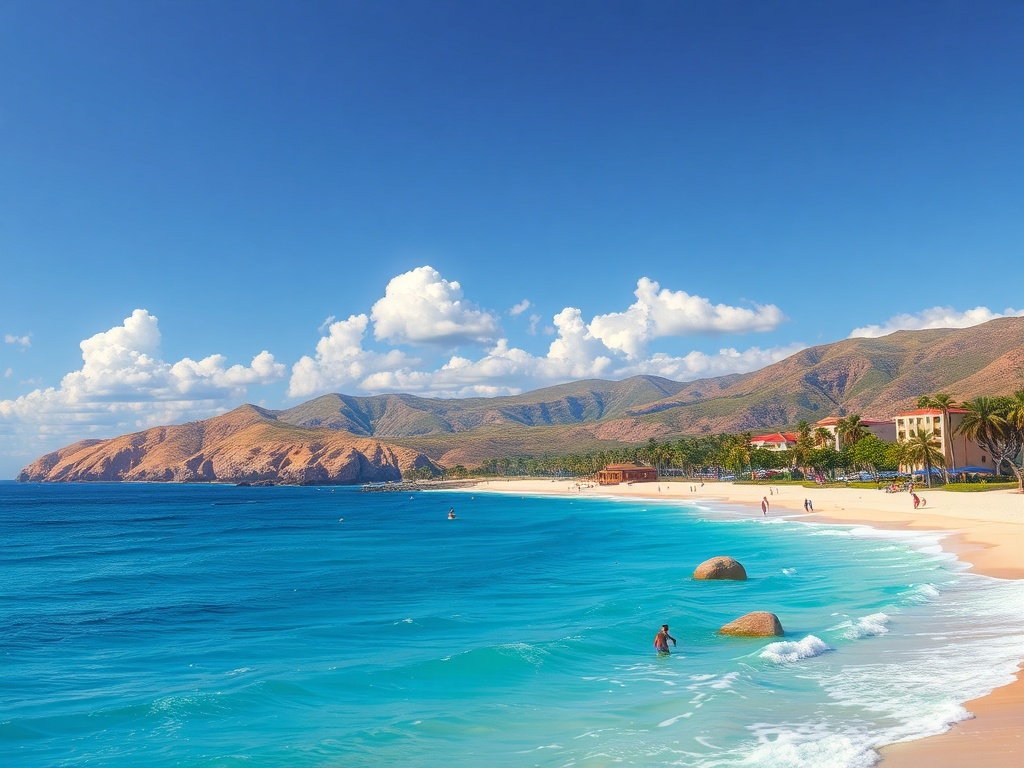
Malibu faces several interlinked environmental pressures: coastal erosion and sea-level influences, wildfire risk in the wildland-urban interface, and the ongoing need to protect public beach access. Local groups, land stewards, and public agencies work on dune restoration, native plant reintroduction, and fire-wise landscaping initiatives.
Visitors and residents can contribute by supporting local restoration projects, using fire-safe landscaping practices, conserving water, and minimizing single-use plastics along the shore.
Surf culture and coastal lifestyle
Surfing remains central to Malibu’s identity, with longboarders often sharing lineup space next to newer generations of riders. Respectful line etiquette and awareness of local conditions help reduce conflict and keep lineups safer.
Beyond surfing, the coastal lifestyle shows up in farm-to-table dining, boutique shops, and a slower pace that blends outdoor activity with seaside relaxation.
Farmers markets and small, community-focused eateries highlight seasonal produce and sustainable seafood when available.
Practical tips for visiting
– Arrive early or visit on weekdays to avoid peak crowds and secure parking near busy beach access points.
– Check tide charts before exploring tide pools or sea caves; some areas become hazardous at high tide.
– Pack layers—coastal fog can cool mornings and evenings, even on otherwise warm days.
– Respect private property and use public access points; many parking areas are monitored.
– Stay informed about fire restrictions and air quality alerts during dry seasons.
Malibu’s appeal comes from its dramatic coastline, outdoor opportunities, and an engaged community that values conservation. Enjoying this place responsibly ensures that its beaches, trails, and ocean life remain vibrant and accessible for everyone who comes to experience the surf, sun, and scenic views.