Malibu: A Coastal Guide to Beaches, Trails, and Local Flavor
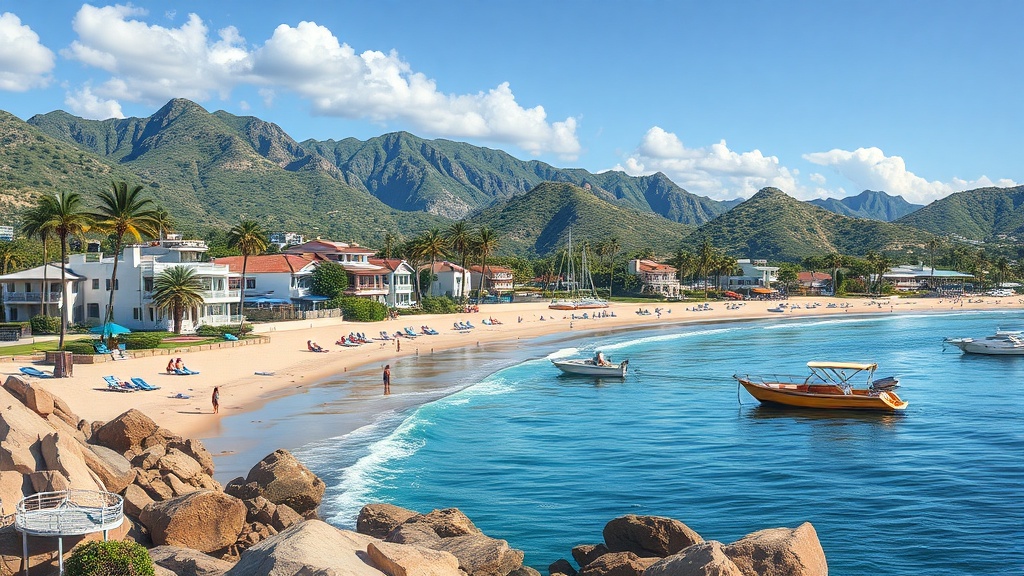
Malibu remains one of Southern California’s most iconic coastal destinations, blending dramatic sea cliffs, long sandy beaches, and a laid-back surf culture. Whether you’re planning a day trip or scouting neighborhoods, this guide highlights what to see, do, and respect while visiting.
Top Beaches and Coastal Highlights
– Surfrider Beach: Famous for long, peeling right-hand waves, it’s a magnet for surfers and an excellent spot to watch local surf culture in action.
Expect crowds near the pier on weekends.
– Zuma Beach: Wide sands, lifeguards, and easy parking make Zuma ideal for families and sunbathers. Strong currents can occur, so obey posted warnings.
– El Matador State Beach and Point Dume: Rugged sea caves, dramatic rock formations, and tide pools reward those who explore at low tide. Coastal bluffs offer stunning sunset vistas—stay behind barrier signs to protect fragile cliffs.
– Malibu Lagoon and Adamson House: A quieter stretch where birdwatchers, kayakers, and anyone curious about historic beachfront architecture will find interest. The lagoon supports migrating birds and native plants.
Hiking and Outdoor Adventures
Malibu’s hills and canyons include a mix of coastal bluffs and inland trails that suit casual walkers and serious hikers alike. Popular options include scenic bluff trails at Point Dume, canyons with oak and sycamore ridgelines, and trails that lead to waterfalls after winter rains. Pack water, sun protection, and sturdy shoes—many trails lack shade and cell coverage.
Water Activities and Safety
Stand-up paddleboarding, kayaking, and surfing are readily available through rental shops and local outfitters.
Always check surf conditions and local advisories before entering the water. Rip currents, changing tides, and runoff after rain can affect water quality; consult local health or lifeguard stations for updates.
Dining, Shopping, and Local Culture
Malibu’s dining scene runs the gamut from casual beachfront cafes to upscale farm-to-table restaurants and intimate tasting rooms. Many eateries emphasize locally sourced seafood and produce. Reservations are recommended for popular spots, especially those with ocean views. Boutique shops and small galleries along the Pacific Coast Highway offer handmade goods and home décor inspired by coastal living.
Conservation and Community
Coastal erosion, habitat preservation, and stormwater runoff are ongoing concerns that shape local planning and beach access.
Community groups and government agencies frequently organize dune restorations, beach cleanups, and native plant restorations.
Visitors can help by staying on marked trails, packing out trash, and avoiding disturbance of wildlife, especially in sensitive lagoon and dune areas.
Practical Tips for Visiting
– Parking: Popular lots fill early; plan to arrive early or use public transit and rideshare options when available. Observe parking signs to avoid fines.
– Permits and Rules: Commercial filming, large gatherings, and drone use often require permits.
Check local regulations before planning events.
– Wildlife and Safety: Respect wildlife habitats, keep dogs on leashes where required, and be cautious near cliffs and tide pools.
– Plan for Limited Services: Some stretches of the coast have limited services—bring cash or card, sunscreen, and water.
Whether you’re chasing waves, exploring sea caves, or savoring a beachfront meal, Malibu offers a varied coastal experience grounded in natural beauty and community stewardship.
With a little planning and respect for the environment, a visit can be both memorable and restorative.