The Grammys continue to shape musical careers and cultural conversations, balancing tradition with pressure to evolve. As streaming and social platforms reshape how audiences discover music, the awards adapt to reflect a landscape where genre lines blur and international artists claim mainstream attention.
Why the Grammys still matter
A nomination or win can produce a significant boost in streams, sales, and bookings. Beyond commercial impact, Grammy recognition confers industry credibility—often opening doors to collaborations, festival slots, and wider media coverage. For many artists, a Grammy nod validates artistic risk-taking and signals relevance to both fans and industry gatekeepers.
Trends influencing nominations and wins
Streaming dominance means single-driven success now rivals album campaigns when voters assess impact. Playlists, viral moments, and social media engagement increasingly factor into a release’s cultural footprint. At the same time, the Academy’s category structure and eligibility rules evolve to accommodate new sounds and global influences, encouraging cross-genre entries and international submissions.
Genre fluidity is a defining trend.
Artists fuse pop, hip-hop, electronic, folk, and global traditions in ways that challenge traditional category boundaries. This has prompted discussion about how awards should classify and evaluate hybrid work. As genre-bending becomes standard, voters are pushed to judge on artistic merit rather than strict genre definitions.
Transparency, representation, and reform
The awards have faced scrutiny over transparency and diversity. Calls for clearer voting processes and broader voter demographics have led to ongoing reforms aimed at making recognition more representative of the industry at large. Efforts to expand membership, diversify voting bodies, and clarify nomination procedures reflect a commitment to credibility, though debates about fairness and influence persist.
Behind the scenes: producers, songwriters, and engineers
Recognition has slowly broadened beyond front-facing performers. Producers, songwriters, mixers, and engineers are gaining more visibility—partly due to industry pressure to acknowledge the collaborative nature of modern music. Highlighting these contributors underscores the technical craft that shapes hit records and supports careers outside the spotlight.
The power of performances and moments
Televised performances at the ceremony remain cultural touchpoints. Curated medleys, surprise guest appearances, and political or emotional statements often dominate conversations in the days that follow. For many viewers, the Grammys are as much about memorable live moments as they are about trophies, and artists leverage that platform to make statements, push creative boundaries, and reach new audiences.
How artists can position themselves
Quality production, strategic release timing, and strong promotional campaigns still matter. Building relationships within the music community—through collaborations, publishing, and label support—can increase visibility among voters.
Maintaining a consistent creative identity while embracing experimentation helps artists stand out. Finally, ensuring proper registration of credits and affiliations guarantees eligibility and fair consideration.
What to watch going forward
Expect continued adjustments to categories and voting rules as the music industry evolves. Global sounds will likely gain more recognition, and the line between commercial popularity and artistic accolade will keep generating debate. The Grammys will remain a mirror of broader industry dynamics: a place where music’s commercial engines, cultural trends, and artistic ambitions intersect.
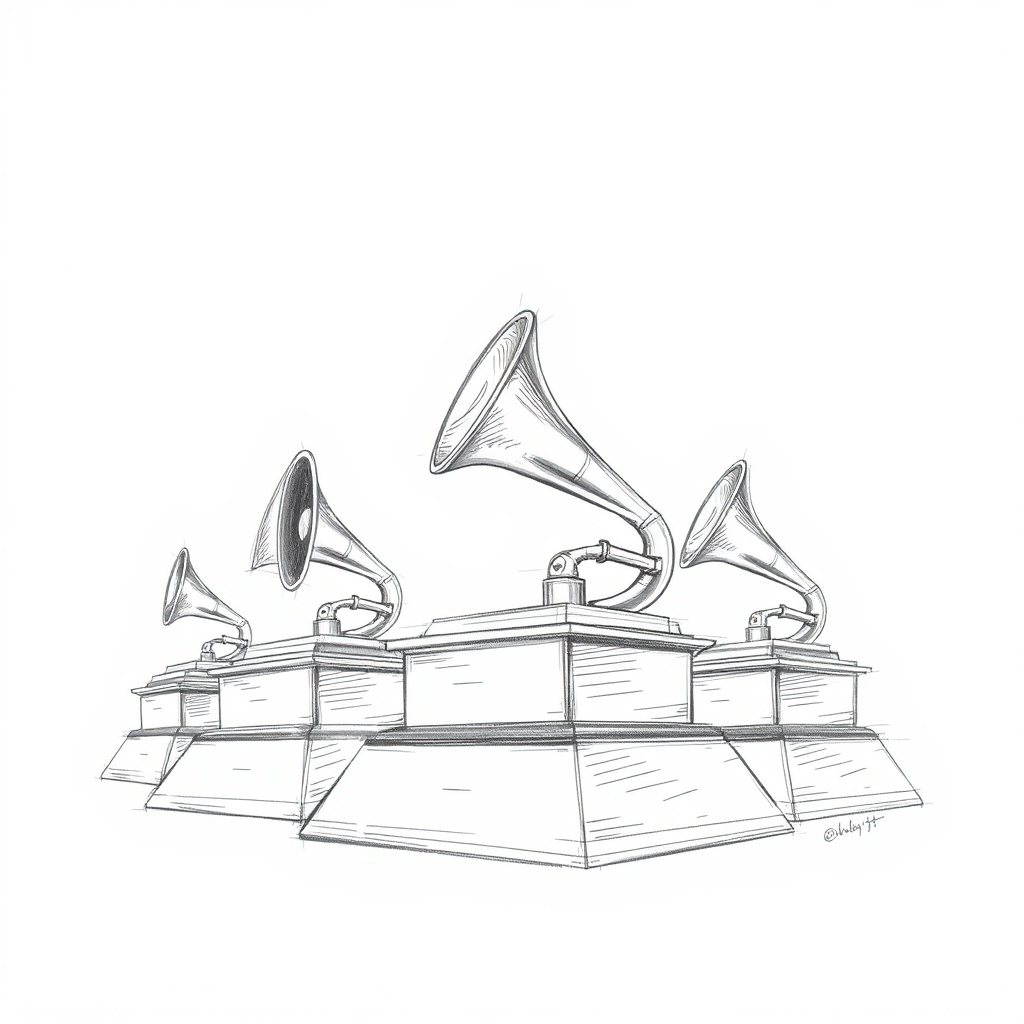
For fans and artists alike, the Grammys are a moment to celebrate music’s impact, spotlight innovation, and spark discussions about how best to honor creative achievement in an ever-changing musical ecosystem.