Hollywood’s Next Act: How Streaming, Tech, and Inclusion Are Reshaping Film & TV

How Hollywood Is Adapting: The Big Shifts Shaping Film and TV

Hollywood is in a constant state of reinvention. Several persistent shifts are defining how movies and series are financed, produced, and enjoyed — and understanding these trends helps creatives, studios, and audiences navigate an industry that now blends heritage with rapid innovation.

Streaming vs.

Theatrical: A New Balance
The tug-of-war between streaming platforms and traditional theatrical releases continues. Studios are testing flexible release strategies: some tentpoles still aim for exclusive theatrical windows to maximize box office and premium concessions, while other projects head to streaming or hybrid releases to capture global audiences quickly.

Expect more tailored release plans that match a title’s audience profile rather than a one-size-fits-all distribution model.

Monetization Evolves: Ad Tiers and Premium VOD
Subscription fatigue has pushed platforms to diversify revenue.

Ad-supported tiers are growing fast, offering lower-cost entry points while opening new advertising revenue streams. Premium VOD and early access rental options also give studios ways to monetize big titles beyond traditional theatrical grosses, especially for films that benefit from a home-viewing audience.
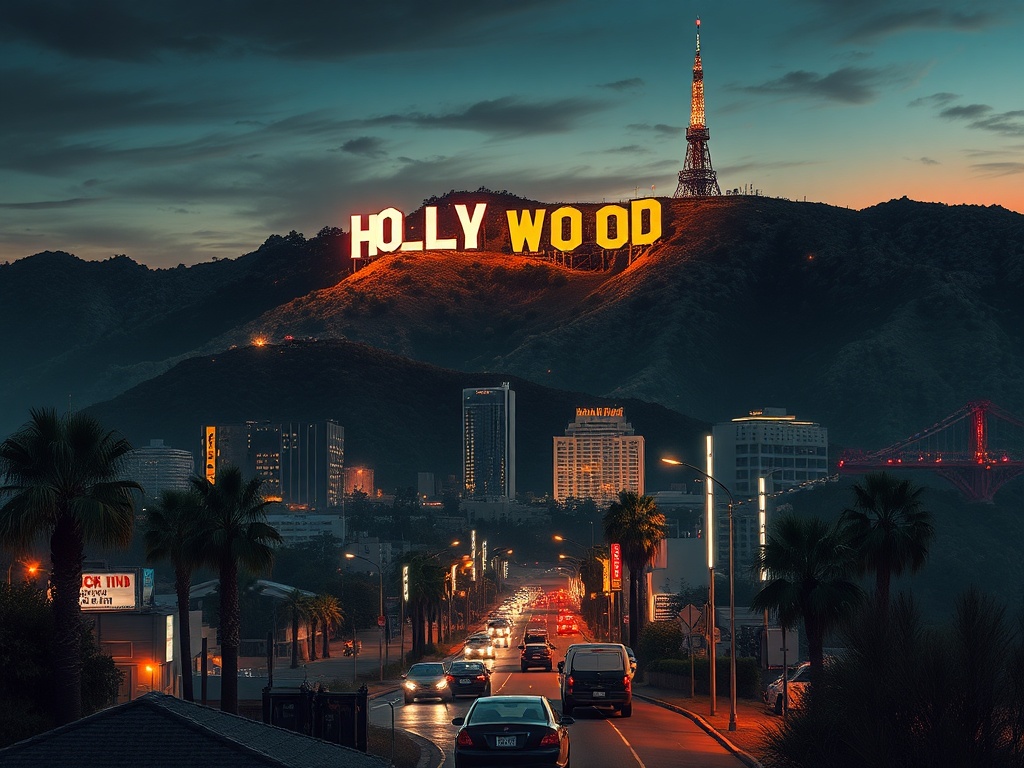
Hollywood image

Franchises vs. Originality
Franchises still drive headline revenues, but there’s an increasing appetite for fresh voices and limited-series storytelling.

Studios balance franchise content with high-quality originals that can become breakout cultural moments. International co-productions and local-language originals are a major part of growth strategies, often finding larger audiences than anticipated thanks to global streaming distribution.

Technology Changing How Stories Are Told
Virtual production tools like LED volumes and advanced motion capture have become mainstream on many sets, enabling filmmakers to create immersive environments more efficiently.

These tools reduce location costs and increase creative flexibility, which benefits both blockbuster and mid-budget productions. At the same time, improvements in visual effects pipelines accelerate post-production and give indie creators access to resources that previously required huge budgets.

Talent and Labor Dynamics
Contract structures and compensation models are evolving in response to streaming metrics and new revenue streams. Collective bargaining and updated agreements have reshaped residuals, credits, and working conditions. These shifts aim to create fairer pay structures in a landscape where content lives simultaneously across theaters, cable, and multiple streaming platforms.

Diversity, Inclusion, and Authentic Storytelling
There’s a stronger industry push toward inclusive casting and stories that reflect global audiences. Studios and streamers are investing in diverse creators and expanding development pipelines to ensure representation both in front of and behind the camera. Authenticity and cultural specificity are increasingly seen as assets that drive audience engagement worldwide.

Marketing in the Attention Economy
Marketing strategies have migrated from mass-media campaigns to highly targeted digital efforts.

Influencer partnerships, social-first content, immersive fan events, and community-led publicity are key to building buzz without overspending.

Data-driven insights now inform not just ad buys but creative elements like trailers and poster design, helping studios optimize reach and conversion.

Sustainability and Set Practices
Environmental considerations are becoming standard on many productions: reduced travel, sustainable set materials, and energy-efficient practices are prioritized by both studios and location partners. Green production protocols can cut costs and appeal to talent and audiences who care about corporate responsibility.

What to Watch Next
Expect more hybrid release experiments, deeper integration of global talent, and ongoing technological democratization that empowers smaller creators. For audiences, that means a wider variety of stories delivered across platforms that meet different viewing habits. For industry participants, flexibility, data fluency, and creative risk-taking will be essential to thrive in Hollywood’s evolving ecosystem.

How the Academy Awards Are Changing: Streaming, Diversity, and the New Path to Oscar Success

The Academy Awards remain one of the most watched cultural moments, where art, industry and public conversation collide. While the statuette and the prestige it represents haven’t changed, the way films get noticed, nominated and win is shifting—driven by streaming platforms, changing voter demographics, and a stronger emphasis on diversity and sustainability.

How films reach the Oscars
Distribution paths no longer follow a single script. Major streaming services now regularly contend with traditional theatrical releases, creating a hybrid landscape. Studios tailor release plans to meet eligibility while maximizing buzz: limited theatrical runs, festival launches, and targeted streaming windows all factor into a film’s visibility.

For audiences, that means many acclaimed titles can be discovered across streaming catalogs, boutique cinemas, and festival circuits rather than a single wide release.

Campaigning and attention strategies
Campaign campaigns are more data-driven and audience-aware than ever. Traditional theatrical screenings and critic Q&As remain valuable, but digital campaigns—social clips, targeted ads, and influencer partnerships—play a growing role in building recognition.

Academy Awards image

Grassroots cinema communities and specialty critics can tip the balance for smaller films, while blockbuster contenders rely on large-scale PR and star-driven moments.

Diversity and international visibility
The Academy’s voter base has diversified, which is reshaping nomination lists and winners across categories.

Films helmed by underrepresented directors and international-language features are increasingly visible, supported by focused outreach and stronger festival track records.

This shift has expanded the types of stories that receive mainstream awards attention and helped non-English films gain broader U.S.

theatrical and streaming exposure.

Trends on the ceremony and the red carpet
Producers of the ceremony are experimenting with format: streamlined shows, surprise winners, and curated musical performances to maintain live-viewer engagement. On the red carpet, sustainability and personal storytelling are growing trends—celebrities choose vintage, upcycled, or eco-conscious designers, and fashion statements increasingly reflect identity beyond traditional gendered expectations.

Why independent films still matter
Even as major studios and streamers dominate production budgets, independent titles continue to be the creative heart of awards conversation. Smaller films often benefit from concentrated critical acclaim and festival momentum. For filmmakers, the route to awards recognition can still go through festivals, craft-driven promotional strategies, and strategic release plans that target key voting blocs.

What viewers can do
– Follow festival winners and critics’ shortlists to discover likely contenders.

– Check boutique cinema schedules and streaming platforms for limited-release award films.
– Watch short films and documentaries that often fly under mainstream radar but drive conversation.
– Engage with behind-the-scenes features, director interviews, and craft-focused coverage to appreciate why certain nominees stand out.

Why it matters
The Academy Awards continue to influence industry trends, from production financing to what kinds of stories get greenlit. Recognition at that level can amplify careers, broaden distribution, and reshape cultural conversations. Whether the focus is on a surprise indie win, a groundbreaking international film, or a memorable red-carpet statement, the ceremony reflects both cinematic artistry and the evolving ways audiences consume and value film.

Keep an eye on festival lineups and streaming announcements—those are often the earliest indicators of which films will become central to the awards conversation.

Watch how the Academy’s evolving practices and the industry’s changing distribution models continue to shape what reaches the spotlight.

Grammys for Artists: How Nominations Still Shape Careers and How to Leverage Them

How the Grammys Still Shape Careers — and How Artists Can Make the Most of Them

The Grammys remain one of the music industry’s most visible milestones. Beyond the trophy, a nomination or win still unlocks press coverage, playlist attention, and renewed streaming interest — factors that can reshape an artist’s trajectory. Understanding how the awards operate and how the industry responds can help artists, managers, and fans read the landscape more strategically.

What a Grammy nomination does
– Visibility: Nominees gain high-profile exposure across mainstream and niche outlets. That attention often translates into media interviews, festival bookings, and sync opportunities.
– Streaming and sales bump: Recognition frequently prompts playlist editors and algorithms to spotlight nominated songs and albums, resulting in measurable increases in streams and catalog discovery.
– Industry credibility: For songwriters, producers, and session musicians, a nomination can open doors to higher-profile collaborations and better contract terms.

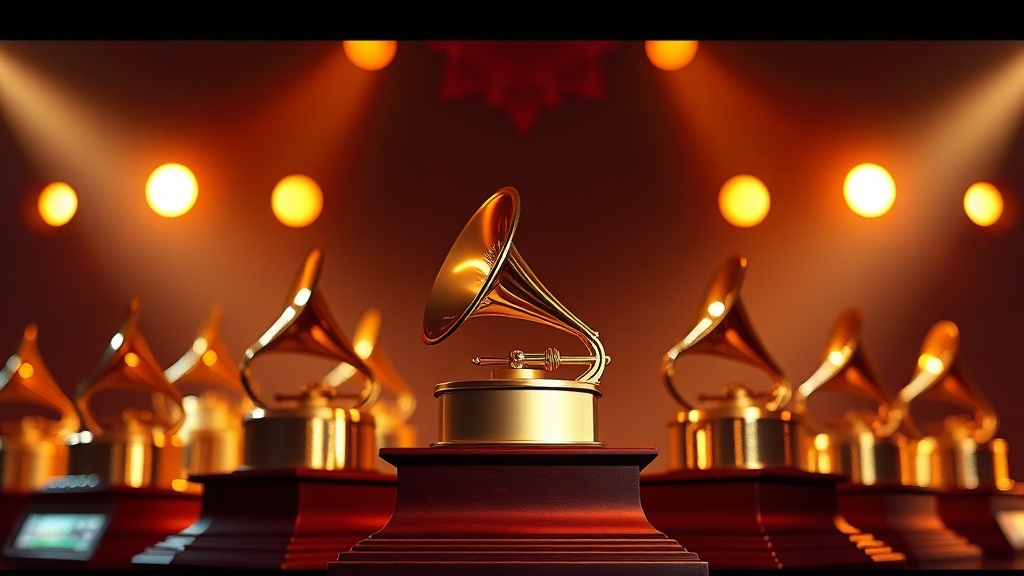
Grammys image

How the Grammys are evolving
The Recording Academy continues to adapt categories and procedures to reflect changing musical styles and industry norms.

Category renames and new additions aim to recognize genre blending and highlight creative roles like songwriting and production. Voting reforms and transparency efforts respond to calls for fairness and broader representation across genres and backgrounds. While progress is ongoing, the direction favors inclusivity and a wider recognition of behind-the-scenes talent.

Why live performances matter
Grammy-stage moments remain cultural touchpoints.

Performances combine spectacle with storytelling and often spark social conversation. Strategic collaborations and visually compelling sets can turn a short performance into a viral centerpiece that amplifies an artist’s reach far beyond the telecast.

Tips for artists and teams
– Prioritize craft and clarity: Clear, high-quality production and distinct artistic identity make it easier for voters and listeners to connect with your work.
– Optimize metadata: Correct credits, songwriter and producer listings, and accurate release data ensure the right people receive recognition.
– Tell the story: Share the creative context behind tracks and albums through press, social content, and interviews to deepen engagement with voters and fans.
– Build peer relationships: The Recording Academy’s voting body is comprised of music professionals. Meaningful industry connections and consistent visibility within professional circles can matter.
– Plan releases thoughtfully: Timing and campaign focus can help a project stand out during nomination consideration windows.

Criticisms and challenges
The Grammys face ongoing scrutiny around genre classification, representation, and the balance between commercial success and artistic merit. Critics point to the need for continuous reform to better reflect global music scenes and evolving sounds. Watch for ongoing policy updates and community feedback that may influence future rounds.

Why it still matters
Despite debate, a Grammy remains a powerful credential. Beyond the trophy, nomination cycles create narrative momentum that can accelerate touring, sync deals, and brand partnerships. For emerging and established artists alike, understanding the mechanics of recognition — from category definitions to voting practices — is a valuable part of long-term career strategy.

Whether aiming for a nomination or simply leveraging awards-season visibility, a thoughtful approach focused on quality, storytelling, and professional relationships will make the most of what the Grammys offer.

Beverly Hills Walking Guide: Luxury Shopping, Dining & Historic Estates

Beverly Hills remains one of the world’s most recognizable neighborhoods, blending old-Hollywood glamour with modern luxury living. For visitors and locals alike, it’s a compact area where high-end shopping, refined dining, lush public spaces, and architectural landmarks come together in a walkable, picture-perfect setting.

Shopping and style
Rodeo Drive is the quintessential luxury shopping street, lined with flagship boutiques from international designers and elegant storefronts that draw window shoppers and serious buyers. Nearby Two Rodeo Drive offers a European-style cobblestone courtyard with boutique labels and stylish cafés—perfect for a leisurely stroll or a fashionable photoshoot. Window shopping here is an experience: plan for comfortable shoes, and be ready for impeccable service and valet options that make navigating the area effortless.

Dining and nightlife
Beverly Hills has a dining scene that ranges from refined fine dining to relaxed neighborhood bistros. Expect chef-driven menus, innovative tasting experiences, and polished service.

Many restaurants focus on seasonal, locally sourced ingredients, and a growing number emphasize plant-forward and sustainable options.

For a night out, look for a mix of sophisticated lounges and intimate, reservation-only rooms that prioritize ambiance and craft cocktails.

Culture and attractions
Cultural venues like the Wallis performing arts center and boutique galleries contribute a sophisticated arts pulse.

Public art installations and manicured green spaces—most notably Beverly Gardens Park—provide scenic breaks between shopping and sightseeing. Architectural highlights include preserved mid-century modern residences and grand estates with historic gardens; guided architecture tours offer insight into the home styles that define the area.

Historic estates and gardens
Greystone Mansion and Gardens stands out as a dramatic estate with formal gardens and sweeping views—popular for photography, cultural events, and film shoots.

These historic properties reveal another side of Beverly Hills: a place of storied homes, landscaping artistry, and cinematic backdrops that continue to attract filmmakers and visitors.

Real estate and residential life
The residential side of Beverly Hills is defined by privacy, lush landscaping, and a range of housing from classic bungalows to ultra-modern mansions set behind gates. Exclusive neighborhoods prioritize security and discretion, while community-driven amenities—parks, boutique grocery options, and local services—make daily life convenient for families and long-term residents.

Practical tips for visitors
– Respect privacy: many properties are private residences; avoid photographing homes or entering gated areas.
– Parking and valet: parking can be limited; valet and paid parking structures are common near major shopping areas.

– Best times to visit: weekdays and early mornings tend to be quieter for shopping and photos.

Beverly Hills image

– Walking: wear comfortable shoes—many streets are best explored on foot to fully appreciate architecture and storefront detail.

Sustainability and modern conveniences
The city continues to adopt modern conveniences that reflect evolving urban priorities—electric vehicle charging stations, initiatives to improve walkability, and increased emphasis on green landscaping in public spaces. These small but meaningful updates make Beverly Hills easier to navigate while preserving its upscale character.

Whether the goal is luxury shopping, a curated dining experience, or a glimpse into architectural and cinematic history, Beverly Hills offers a polished, walkable destination with experiences that blend glamour and neighborhood charm. Plan ahead, prioritize what matters most—art, food, shopping, or sightseeing—and enjoy the carefully curated scenes that define this iconic enclave.

Rethinking Film Distribution: Theatrical Windows, Streaming & Release Strategy

The way films reach audiences is changing fast, and Hollywood’s distribution playbook is being rewritten.

Streaming services, evolving theatrical windows, and shifting audience expectations have combined to create a landscape where strategy matters as much as content. For filmmakers, studios, and marketers, understanding these shifts is essential to getting visibility and revenue.

Why the theatrical window shifted
Traditional exclusive theatrical windows have shortened as streaming platforms sought quicker access to new releases. This change was accelerated by consumers who now expect on-demand access. At the same time, theaters still offer a unique communal experience that major event films rely on for box-office impact.

The result is a hybrid environment: some titles prioritize long theatrical runs, others move to premium digital or streaming more quickly, and many land somewhere in between.

What this means for different kinds of films
– Big tentpoles and franchises: These films thrive on theatrical exclusivity and global opening weekends. Theaters provide spectacle that drives ticket sales and merchandising. Marketing focuses on broad reach, experiential tie-ins, and international campaigns.
– Mid-budget and indie films: These titles often benefit from flexible release strategies.

A targeted theatrical run can build critical momentum and visibility, followed by streaming to capture a wider audience.

Festivals and specialty distributors remain crucial discovery channels.
– Niche and genre films: Horror, auteur-driven projects, and cult genres can use limited theatrical runs to generate word-of-mouth before moving quickly to streaming, where a dedicated fanbase will discover them and keep them relevant long-term.

Marketing and release strategy shifts
Marketing is increasingly data-driven and platform-specific. Short-form social video, influencer partnerships, and interactive campaigns now shape audience expectations before trailers ever debut. Studios are experimenting with staggered rollouts—teasing a film to key markets early, then expanding to maximize earned media.

Hollywood image

Key considerations for a modern release:
– Timing: Counterprogramming and avoiding crowded weekends are more important than ever. A smart release calendar can help a smaller film gain attention.
– Window negotiation: Filmmakers should consider creative revenue splits, premium VOD pricing, and timeframes that align with a film’s audience profile and awards prospects.
– International-first strategies: Some films perform better with staggered regional rollouts that align with local holidays and market dynamics.
– Eventization: Special screenings, cast appearances, and theater partnerships can drive early buzz and social shares that extend a film’s life cycle.

Theater-studio relationships are evolving
Exhibitors and studios are negotiating new terms around release windows and premium pricing. Theaters are investing in enhanced experiences—luxury seating, dine-in options, and specialized programming—to justify theatrical exclusivity. At the same time, studios are balancing box-office upside with the steady subscriber revenue of streaming services.

How filmmakers can adapt
– Know your audience: Tailor the release plan to where the audience lives—social platforms, fest circuits, or genre communities.
– Lean into theatrical when it adds value: If a film benefits from scale, spectacle, or communal viewing, prioritize a theatrical strategy.
– Use streaming as a long-tail revenue source: A thoughtful post-theatrical run on streaming can sustain visibility and build a lasting fanbase.
– Build data-first campaigns: Invest in audience analytics and targeted creative to maximize limited marketing budgets.

The distribution landscape will keep evolving as consumer habits and technology shift.

Success lies in matching content to the right window, using targeted marketing, and creating moments that make seeing a film feel essential rather than optional. Watch how studios, exhibitors, and creators continue to innovate—and how audiences respond—to find the balance that works for each project.

How Celebrities Protect Their Privacy While Staying Visible: 8 Smart Strategies

How Celebrities Protect Privacy While Staying Visible

Celebrities face a constant trade-off: staying visible keeps careers active, but visibility can erode personal privacy. Navigating that balance has become a strategic art, blending curated authenticity, legal safeguards, and smart platform use to maintain a public persona without sacrificing personal life.

Why privacy matters to public figures
Beyond comfort and safety, privacy is a financial and reputational asset.

Maintaining a sense of mystery can increase public interest, while uncontrolled leaks or oversharing can damage careers, relationships, and mental health.

Fans want access, but they also respond to boundaries—respectful distance can strengthen loyalty rather than weaken it.

Strategies celebrities use to control the narrative
– Curated authenticity: Many celebrities share polished glimpses of daily life—behind-the-scenes moments, family photos, or candid reflections—that feel personal but are intentionally selected. This creates intimacy while keeping core private details off-limits.
– Platform selection: Different platforms serve different goals. Visual platforms are ideal for lifestyle branding, short-form video delivers personality and relatability, and private channels (email lists, subscription platforms) offer direct revenue and tighter control over who sees what.
– Gatekeeping and access tiers: A layered approach—public posts, vetted interviews, and paid fan access—lets stars reward superfans without exposing everything. This can include moderated live chats, subscriber-only newsletters, or exclusive content hubs.
– Professional intermediaries: Managers, publicists, and legal teams filter requests and coordinate messaging. When personal stories are shared, they’re often timed and framed to support career goals or philanthropic initiatives.
– Legal protections: NDAs, privacy lawsuits, anti-stalking measures, and digital takedown strategies give celebrities practical tools to deter unwanted intrusion and remove sensitive material when necessary.
– Security and tech: Personal security, encrypted communications, watermarking high-value content, and monitoring for fake accounts or deepfakes help protect image and safety.

How authenticity and branding coexist
Authenticity sells—audiences crave realness—but authenticity doesn’t require total transparency. Smart branding integrates personal values and selective vulnerability without disclosing everything. When celebrities tie personal stories to causes or creative projects, the storytelling feels purposeful rather than invasive.

Mental health and boundary setting
Public pressure can be intense. Many celebrities use social media sabbaticals, therapy, and strict family rules about press access to preserve mental health. Communicating those boundaries to fans—explaining why certain topics are off-limits—can reduce speculation and foster respect.

Celebrities image

What fans can do differently
Fans play a role in preserving boundaries. Supporting public appearances, engaging with official channels, and avoiding speculation about private lives helps keep attention on creative work rather than invasive gossip.

Respectful engagement tends to be rewarded with more meaningful interaction from public figures.

Why this matters for brands and creators
Brands working with celebrities must respect those boundaries to maintain authenticity.

Campaigns that align with a star’s publicly stated values and privacy preferences perform better and risk fewer public relations missteps.

For creators aspiring to grow visibility, the lesson is clear: authenticity plus boundaries builds sustainable attention.

The public appetite for access will persist, but strategies for managing that access are evolving. By combining thoughtful storytelling, legal safeguards, and platform-savvy choices, celebrities can stay in the spotlight while protecting the parts of life they want to keep private—benefiting both careers and personal wellbeing.

How the Grammys Have Changed: Streaming, Genre-Blending, and Strategies to Earn a Nomination

The Grammys remain the music industry’s most-watched awards show and a major barometer of artistic and commercial success. As listening habits evolve, the Recording Academy has adapted its rules and categories to reflect streaming dominance, genre fluidity, and the growing influence of producers, engineers, and songwriters.

For artists, industry professionals, and fans, understanding how the Grammys operate and what trends are shaping nominations can make the difference between a momentary buzz and career-defining recognition.

How the Grammys are changing
The awards have shifted toward recognizing not just traditional album sales but impact across streaming platforms, social engagement, and cross-genre collaborations. Screening and voting processes have been refined to improve transparency and to better represent diverse musical communities.

There’s also a stronger spotlight on technical categories — producer, mixer, and engineering awards — acknowledging the teams behind chart-making sounds.

Genre blending is another defining trend. Pop, hip-hop, country, electronic, and R&B now intersect more frequently, and the Academy has adjusted categories and submission guidance to accommodate hybrid works. That fluidity means a track can find home in multiple categories depending on how it’s positioned, promoted, and submitted.

What matters to voters
Members of the Recording Academy — music creators and industry professionals — consider artistry, technical excellence, originality, and cultural impact. While commercial success like streams and chart performance helps visibility, peer recognition is often decisive. Credibility among voting members grows through consistent quality releases, critical acclaim, and collaborative projects that showcase musical depth.

Visibility and narrative also matter.

Memorable live performances, innovative music videos, and strategic release timing can elevate a project in voters’ minds. Media coverage, playlist placement, and sustained social conversation keep a release top of mind during voting windows.

Tips for artists aiming for Grammy recognition
– Prioritize craft: Focus on songwriting, arrangement, and production quality. Technical excellence gets noticed in both general and specialized categories.

Grammys image

– Use metadata and credits properly: Accurate credits for songwriters, producers, and engineers ensure proper category placement and recognition.
– Choose categories strategically: Work with a manager or label experienced in submissions to target the most appropriate categories for your work.
– Build peer support: Collaborate with respected artists and industry professionals; peer respect influences voting.
– Maintain sustained promotion: Keep momentum through performances, interviews, and social engagement during voting periods.
– Enter technical categories: Consider submitting mixes, masters, and videos—these categories provide additional pathways to recognition.

The role of performances and fashion
Grammy performances often create cultural moments that extend beyond the awards themselves. These sets can define careers, spotlight social issues, or introduce new sounds to wider audiences. Red carpet fashion remains a high-visibility element, offering artists additional storytelling opportunities and media coverage that can bolster a nomination’s momentum.

What to watch going forward
Expect continued adjustments that reflect the realities of how music is made and consumed. The Academy will likely keep exploring ways to better represent emerging genres and to make voting more transparent and inclusive.

For artists, that means the path to recognition will remain as much about artistic innovation and craft as about savvy release strategy and community engagement.

Whether you’re an artist plotting a release strategy, a fan following nominees, or an industry professional tracking shifts, staying informed about these trends helps decode the Grammys’ evolving landscape and what it takes to stand out.

How Celebrities Build and Protect Their Personal Brand on Social Media: Authenticity, Monetization, Legal Protections & Crisis Strategies

How celebrities build and protect their personal brand in the age of social media

Celebrities today navigate an attention economy where a single post can boost an album, launch a business, or spark controversy. Managing a celebrity brand now mixes traditional PR, savvy social media strategy, legal protections, and mental-health boundaries. Understanding how public figures cultivate authenticity while protecting their reputation offers lessons for anyone building a visible presence.

Crafting an authentic narrative
Authenticity is the currency that converts followers into fans. Celebrities who share behind-the-scenes moments, personal values, and causes they genuinely support tend to maintain stronger long-term engagement. That doesn’t mean oversharing. Successful public figures balance intimacy with curation: select moments that reinforce their persona—whether that’s creative, philanthropic, or entrepreneurial—and present them consistently across platforms.

Diversified content strategy
Different platforms serve different purposes.

Celebrities image

Short-form video captures immediacy and personality; longer videos or interviews deepen storytelling; photos showcase lifestyle and partnerships; written posts or newsletters allow thoughtful context. A diversified content mix reduces reliance on any single algorithm and reaches varied audience segments. Key tactics include:
– Repurposing content across channels with platform-specific tweaks
– Staggering releases to build anticipation for major projects
– Mixing evergreen content (timeless insights, staple looks) with topical posts (tour dates, new releases)

Monetization and longevity
Celebrities increasingly treat their name as an intellectual property asset. Revenue streams often include branded partnerships, product lines, production companies, stakes in startups, and content subscriptions. Smart deals align with personal values and audience expectations.

Licensing and equity agreements provide longer-term income than one-off endorsements.

Reputation and crisis management
Crisis preparedness is essential.

Media training, rapid-response plans, and a trusted communications team allow for measured responses when controversies arise. Effective crisis strategies focus on transparency, accountability, and corrective action—rather than silence or defensiveness.

Legal counsel often works alongside PR to manage defamation, privacy breaches, and contract disputes.

Protecting privacy and mental health
High visibility can strain personal life. Many celebrities set firm boundaries—private family accounts, closed social circles, and strict media policies—to protect loved ones.

Mental health support, including therapy and digital detoxes, is common. Balancing accessibility with personal safety helps sustain creative energy and public goodwill.

Legal protections and business structure
Personal brands benefit from formal legal protections: trademarking names and logos, negotiating clear contract terms, and structuring business entities to separate personal finances from ventures. Non-disclosure agreements and controlled content approvals help manage collaborations and leaks.

Sound legal planning preserves creative control and reduces risk.

Collaborations and community building
Strategic collaborations—between musicians, actors, creators, or brands—amplify reach and introduce celebrities to new audiences. Collaborations that feel organic and mutually beneficial tend to resonate more than purely transactional partnerships. Engaging directly with communities through live events, fan-first drops, and philanthropic initiatives builds loyalty that transcends algorithm changes.

Lessons for emerging public figures
Aspiring creators and public figures can learn from celebrity playbooks: prioritize authenticity, diversify platforms and income, prepare for crises, and protect privacy and legal interests. With consistent storytelling and smart business planning, a personal brand can become a durable career asset rather than a fleeting moment of fame.

Staying adaptable matters most.

Platforms change, audiences evolve, and cultural expectations shift. Celebrities who keep values at the core of their public presence—and who treat their brand as both creative expression and strategic asset—are best positioned to thrive amid whatever comes next.

How the Academy Awards Are Changing: Streaming, Diversity, Global Cinema, and the Future of the Oscars

The Academy Awards remain the film industry’s most watched and scrutinized night, blending prestige, spectacle, and cultural conversation. While the trophies and red carpet glamour endure, the ceremony and the industry around it have evolved noticeably, reflecting changes in how films are made, distributed, and celebrated.

One major shift is how streaming services have reshaped awards strategy. Films that once relied on long theatrical windows now navigate hybrid release plans to meet eligibility while maximizing audience reach.

That has encouraged studios and distributors to be more strategic about limited theatrical runs, festival premieres, and targeted marketing to ensure visibility among Academy voters. For filmmakers, the trade-off can be greater creative freedom and wider exposure, but also a heightened need to cut through an increasingly crowded awards season.

Diversity and representation continue to be central themes.

Expanded outreach and membership reforms have diversified the Academy’s voting body, which influences nominations across all categories. This has opened the door for more international voices, filmmakers from underrepresented communities, and projects that had been overlooked in earlier eras. At the same time, conversations about equitable recognition, behind-the-scenes opportunities, and inclusion in technical categories remain active priorities throughout the industry.

International films are finding larger global audiences and stronger awards momentum. Subtitled and non-English-language movies are no longer niche festival favorites; they can become major cultural touchstones thanks to global streaming and robust festival circuits. The Best International Feature Film category now sits alongside broader recognition across directing, writing, and acting categories, signaling a more integrated view of world cinema.

Red carpet moments still dominate headlines, but sustainability and purpose-driven fashion have gained prominence. Many designers and celebrities are choosing vintage, recycled, or responsibly produced couture, turning the red carpet into a platform for environmental and ethical messaging. That shift mirrors wider industry commitments to reducing carbon footprints on set and promoting greener production practices.

Campaigning for awards has become more sophisticated and data-driven. Traditional methods—press screenings, critics’ dinners, and print ads—are now complemented by targeted digital outreach, social media narratives, and curated screenings for specific voting blocs. Guild awards and critics’ prizes retain powerful influence, often shaping momentum heading into the final voting period. At the same time, there’s growing scrutiny on transparency and ethics in campaigning, prompting studios and PR teams to refine their approaches.

Academy Awards image

Viewer engagement with the ceremony itself is changing. Producers seek a balance between honoring cinematic craft and maintaining a television-friendly pace that keeps audiences tuned in. This has led to creative staging for technical awards, musical performances, and pacing experiments to keep the broadcast lively while still respecting the artistry being recognized.

For filmmakers and performers, an Academy Award nomination or win continues to be a career catalyst—boosting box office, opening doors for future projects, and cementing creative legacies. The honor remains a powerful credential in a crowded marketplace, influencing funding, distribution, and audience interest long after the night’s celebrations end.

As film culture continues to adapt, the Academy Awards act as a mirror for the industry’s priorities and tensions—celebrating artistry while negotiating commercial realities, global perspectives, and changing audience habits. The night will likely keep evolving, but its role as a focal point for cinematic achievement and cultural conversation looks set to endure.

Hollywood Reinvented: How Theaters, Streaming, Franchises and Indies Are Reshaping Film

Hollywood is undergoing a quiet reinvention as studios, theaters, creators, and audiences adapt to changing habits and technologies.

The core product — a compelling story delivered on screen — remains unchanged, but how films are financed, made, marketed, and experienced is shifting in ways that matter for fans and industry watchers alike.

Rethinking the theatrical experience
Movie theaters are elevating the theatrical outing into an event.

Premium formats like IMAX and Dolby Cinema continue to draw audiences for spectacle-heavy releases, while multiplexes add luxury seating, curated food-and-drink options, and private screening experiences to compete with home comfort. Event cinema — live concerts, theatrical play broadcasts, and immersive fan showings — helps theaters deepen community ties and diversify revenue beyond traditional box office cycles.

The hybrid distribution playbook
Studios and streaming platforms now work more closely than ever. Hybrid release strategies give some films a shortened exclusive theatrical window followed by streaming availability, balancing box office potential with long-tail platform revenue and subscriber value. Meanwhile, day-and-date releases remain a tactical choice for certain titles that serve niche audiences or perform better on demand. Data from platforms and theaters informs these decisions, making distribution a more dynamic, analytics-driven process.

Franchises vs. original voices
Franchise tentpoles still command attention and investment, but there’s a renewed appetite for original stories. Audiences are drawn to fresh voices across genres — whether high-concept thrillers, intimate dramas, or boundary-pushing comedies.

Studios are pairing franchise building with risk-managed bets on original content, often incubated through specialty divisions or partnerships with independent producers and festivals.

Independent films and festival power
Film festivals and specialty distributors remain a vital path for indie filmmakers to find an audience and critical momentum. Festivals serve as discovery ecosystems where buzz, awards, and savvy festival runs translate into distribution deals and streaming placements. Independent films are also benefiting from subscription platforms that target cinephile audiences, widening access beyond traditional arthouse circuits.

Marketing in the age of social media
Marketing teams have shifted from mass-broadcast campaigns to precision, engagement-focused strategies.

Influencer partnerships, viral creative assets, and social-first trailers drive awareness among younger demographics, while experiential pop-ups and fan events create shareable moments.

Hollywood image

Studios now integrate fandom marketing earlier in a film’s lifecycle to build communities that sustain long-term interest, merchandising, and franchise potential.

Global markets and storytelling
International box office performance continues to shape storytelling choices and casting decisions.

Films that translate emotionally across cultures — or that incorporate global talent and locations — often unlock substantial overseas returns.

At the same time, studios leverage localized marketing and co-productions to deepen global resonance.

Talent, inclusion, and sustainability
Diversity and inclusion initiatives are influencing creative staffing, casting, and greenlighting. Audiences expect representation both in front of and behind the camera, and films that reflect diverse perspectives often find passionate support. Environmental sustainability on set, from reduced waste to energy-efficient production methods and remote collaboration tools, is also becoming a standard part of planning and reporting.

What to watch for
Expect continued experimentation with release windows, more immersive theatrical offerings, and a balancing act between franchise economics and original storytelling. The most successful projects will be those that combine strong creative vision with smart distribution, audience-first marketing, and an eye toward global opportunity.

For moviegoers, that means more ways to discover films they love — whether at a packed theater for a big-screen spectacle or from home for a quiet, powerful indie drama. Hollywood’s evolution is about expanding choices while protecting the core thrill of great storytelling on screen.