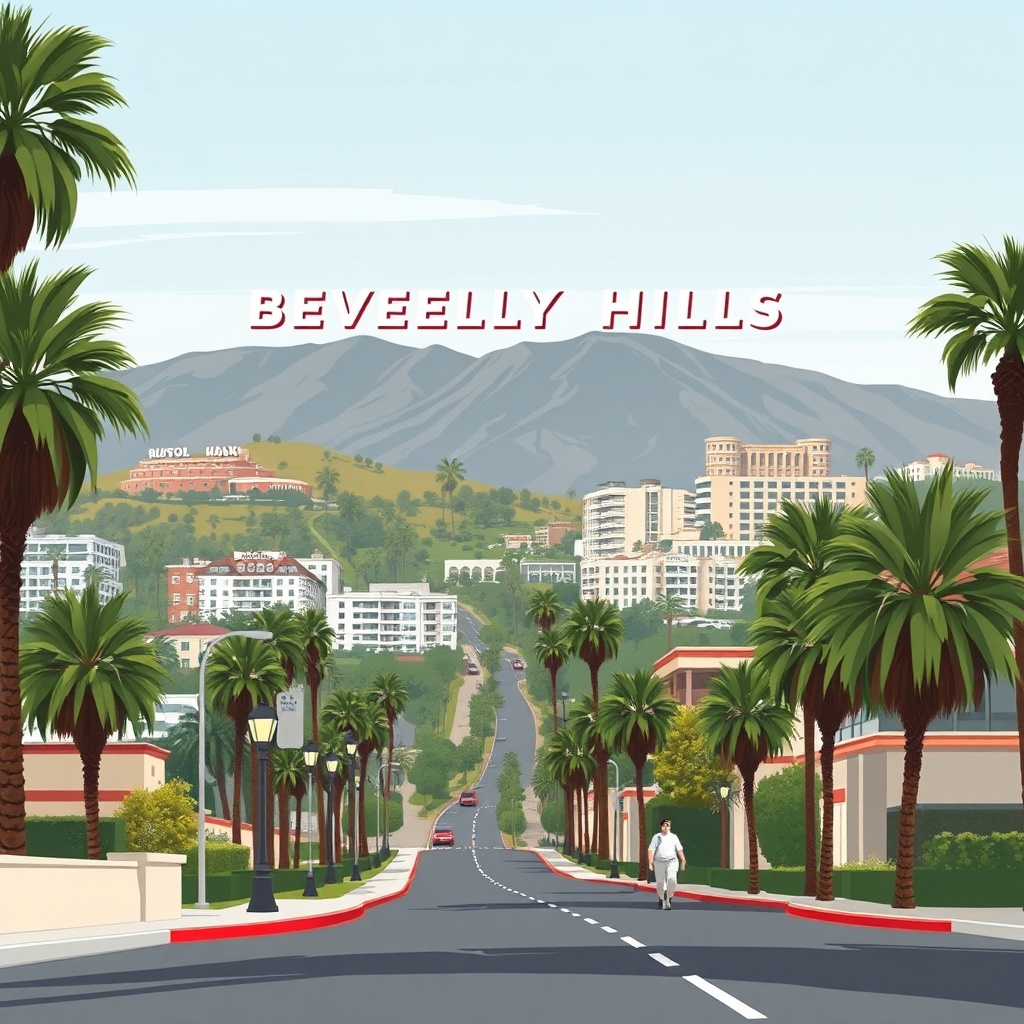
Los Angeles is redefining what a car-centric city can be.

Los Angeles is redefining what a car-centric city can be. Once synonymous with wide freeways and surface parking, the city is shifting toward people-first streets, greener public spaces, and more connected neighborhoods. That transformation is subtle in some blocks and bold in others, but it’s reshaping daily life for residents and visitors alike.

What’s changing on LA streets
A growing number of neighborhoods now feature pedestrian plazas, widened sidewalks, and protected bike lanes that prioritize safety and comfort.

Open Streets and car-free events temporarily reclaim major corridors for walking, biking, and neighborhood programming, which often become templates for permanent changes. Transit agencies continue expanding rail and rapid bus services, making it easier to rely on public transit for commutes and errands instead of driving.

Greening and climate resilience
Los Angeles is investing in urban cooling strategies to combat heat islands and protect public health. Tree planting campaigns, shade structures, cool pavements, and permeable surfaces reduce surface temperatures while improving stormwater management. Drought-conscious landscaping—using native and low-water plants—keeps sidewalks looking lively without heavy irrigation. These projects are frequently paired with neighborhood improvements, enhancing both aesthetics and environmental performance.

Economic and community benefits
Pedestrian-friendly streets boost local businesses. Cafes and shops near plazas or well-designed sidewalks often see increased foot traffic, and street closures for markets and festivals provide low-cost opportunities for entrepreneurs. Public space investments also strengthen community ties: residents collaborate on design, programming, and maintenance, ensuring spaces reflect local culture and needs.

Safer streets and active transportation
Protected bike lanes and traffic-calming measures reduce collisions and encourage biking and walking. Micromobility—shared bikes and e-scooters—complements transit and helps cover last-mile gaps.

Cities are pairing infrastructure upgrades with education campaigns and enforcement strategies to create clearer, safer rules for everyone on the road.

How to experience and support the shift
– Find plazas and open streets: Local city websites and neighborhood social channels list temporary closures, markets, and plazas. These events are great for sampling local food, music, and art.
– Try multimodal trips: Combine rail or bus with a bike or scooter to reach destinations that aren’t directly on transit lines. Many transit agencies and apps now integrate payment and trip planning across modes.
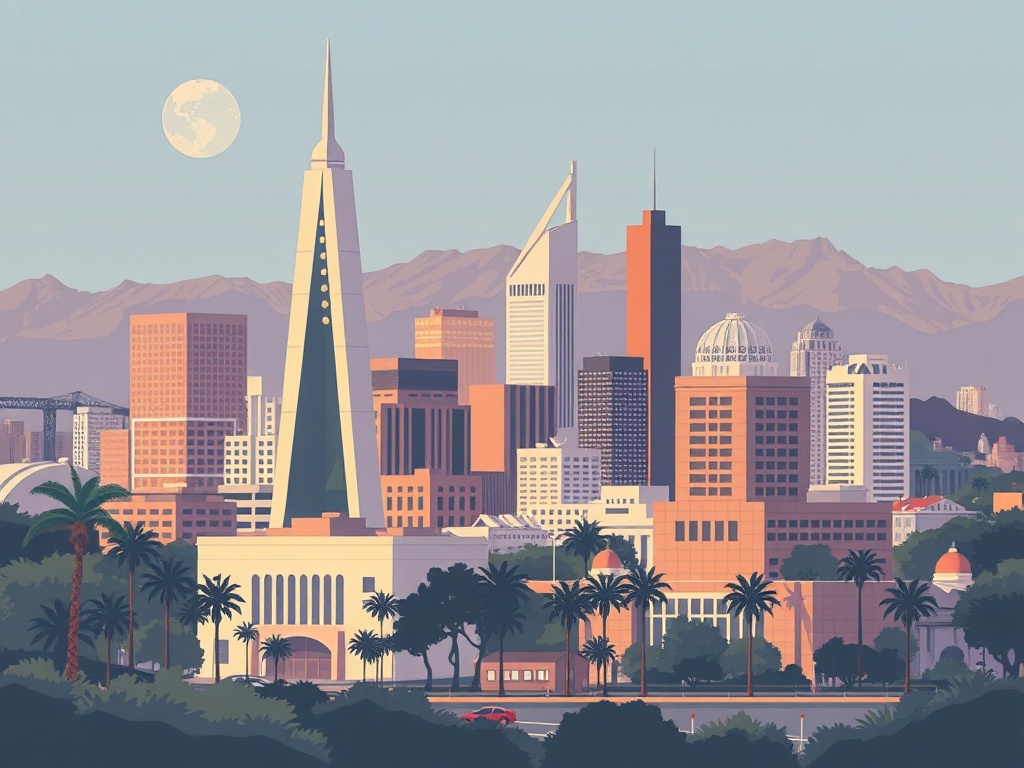
LA image

– Support local businesses: Frequenting shops and cafes near newly activated spaces helps sustain programs and shows the value of pedestrian-focused design.
– Get involved: Community workshops and meetings shape how public space is designed and programmed. Voice priorities—shade, seating, lighting, or family-friendly features—so projects reflect neighborhood needs.

Challenges and opportunities
Equitable distribution of improvements remains a central issue. Advocacy is pushing for investments in underserved neighborhoods, where better streets can deliver the most dramatic quality-of-life improvements. Maintenance, safety, and funding are ongoing concerns, but public-private partnerships and community-led stewardship models are emerging as effective solutions.

A more walkable, connected Los Angeles is not a distant dream—it’s unfolding block by block. Whether you’re exploring a neighborhood plaza, hopping on a protected bike lane, or taking a shorter car-free trip, these changes offer fresher, healthier, and more vibrant ways to move around the city. Keep an eye on local planning efforts and neighborhood initiatives to make the most of what’s opening up around you.

Posted in LA

1. How Celebrities Protect Privacy and Manage Their Image on Social Media

Celebrity culture has shifted from a one-way spotlight to a constant, interactive stream. Social platforms let stars communicate directly with fans, but that accessibility comes with new expectations and risks. Managing a public image now means balancing authenticity, revenue streams, legal protections, and mental health — all while responding to an always-on audience.

Celebrities image

Why image management matters
A carefully managed public image turns visibility into opportunity.

Celebrities use their profiles to launch businesses, sell partnerships, influence culture, and drive charitable work. But every post, red-carpet shot, or candid moment can be amplified beyond control. That’s why image strategy isn’t optional — it’s central to a long-lasting career.

Common privacy challenges
– Oversharing pressure: Fans and brands reward perceived authenticity, which can push celebrities to reveal personal details they later regret.
– Paparazzi and leaks: Unapproved photos, private messages, and unauthorized content can surface quickly and widely.
– Online harassment: Doxxing, trolling, and threats target not only public figures but their families and teams.
– Brand misalignment: A single misstep can trigger partnership losses and PR crises.

How celebrities protect their privacy and reputation
– Curated authenticity: Many public figures share selective glimpses that feel genuine without exposing vulnerable areas. This builds trust while maintaining boundaries.
– Controlled platforms: Subscription services, private newsletters, and members-only content provide a safe way to monetize and communicate directly with fans.
– Professional teams: PR experts, lawyers, and security consultants anticipate risks, craft messaging, and respond quickly to misinformation.
– Legal tools: Non-disclosure agreements, takedown requests, and privacy laws are used proactively to halt circulation of sensitive material.
– Digital hygiene: Secure devices, two-factor authentication, and cautious sharing reduce the chance of hacks and leaks.
– Boundary setting: Some choose to keep family and children off social platforms or maintain separate private accounts unseen by the public.
– Crisis playbooks: Preplanned responses, honest apologies when appropriate, and transparent corrections help recover trust after missteps.

Lessons for creators, brands, and fans
– Authenticity sells, but context matters: Sharing values or struggles resonates more when it’s framed thoughtfully rather than impulsively.
– Invest in prevention: Legal counsel and digital security are essential expenses, not optional extras.
– Align partnerships carefully: Brand deals should reflect a public persona to avoid credibility loss.
– Respect boundaries: Fans and media benefit from recognizing that public figures are people with private lives.

Audience responsibility
Public curiosity fuels celebrity culture, but mindful consumption changes the dynamic. Supporting ethical journalism, avoiding rumor-sharing, and following accounts that promote respectful engagement help create a healthier environment for both stars and audiences.

The modern celebrity playbook blends authenticity with strategy. By protecting privacy, managing messaging, and prioritizing well-being, public figures can sustain influence without sacrificing personal safety. Fans and brands that understand and respect those boundaries benefit from more meaningful and durable relationships.

Bel Air Neighborhood Guide: Luxury Homes, Architecture & Real Estate Trends

Bel Air remains synonymous with understated luxury, leafy privacy, and architecturally significant homes perched above the city. Nestled along winding roads and bluff-top ridgelines, this neighborhood blends natural beauty with high-end residential living, making it a perennial point of interest for homebuyers, design enthusiasts, and visitors seeking a quieter side of the metropolis.

What defines Bel Air
Bel Air’s character comes from its residential focus: large lots, mature trees, and a mix of estate styles. From classic Spanish Colonial and Mediterranean revival homes to mid-century modern masterpieces and striking contemporary glass-and-steel designs, the area showcases diverse architectural expression. Many properties prioritize privacy and seclusion, with gated drives, landscaped buffers, and views that stretch across the cityscape to the ocean on clear days.

Real estate and market dynamics

Bel Air image

Bel Air’s real estate market is shaped by limited supply and strong, sustained demand for luxury properties.

Large parcels and strict zoning help preserve the neighborhood’s low density, while high-end renovations and thoughtful new builds keep the stock fresh. Buyers often prioritize privacy, security, and architectural pedigree, and estates offering significant outdoor space, pools, and expansive entertaining areas tend to attract the most attention. Working with an agent who knows the micro-neighborhoods—Bel-Air Crest, Bel-Air Woods, and the Bel Air Estates—helps navigate nuances like access, HOA rules, and property easements.

Lifestyle and amenities
While largely residential, Bel Air benefits from proximity to top-tier cultural and recreational assets. Luxury shopping and fine dining are minutes away in neighboring districts, and world-class cultural institutions and museums sit within easy reach. Outdoor enthusiasts appreciate nearby hiking and riding trails that thread the Santa Monica Mountains, plus scenic drives along Mulholland Drive for sweeping viewpoints. Local private clubs provide additional recreational outlets, from golf and tennis to spa amenities and social programming.

Architecture and preservation
Preservation-minded residents and local planners often balance renovation with respect for historic fabric.

Mid-century modern homes and landmark estates attract attention from collectors and architects, and adaptive renovation—upgrading mechanical systems, improving sustainability, and enhancing indoor-outdoor living—keeps older homes competitive while maintaining character.

For those interested in design, Bel Air offers a living catalog of architectural trends across decades.

Practical tips for visitors and prospective residents
– Expect privacy-oriented streets: Many homes are set back and gated; public access is limited in residential pockets.

– Parking and traffic: Narrow, winding roads and limited street parking mean plan ahead for drop-offs and guest arrival.

– Landscaping and fire safety: Native, drought-tolerant landscaping is common; properties often feature defensible-space measures in wildfire-prone zones.
– Local conveniences: For daily needs, neighboring commercial areas provide groceries, boutiques, and casual dining; many residents rely on nearby districts for errands.
– Working with local pros: Real estate, landscape, and design professionals who specialize in luxury hillside properties help manage permitting, grading, and design challenges unique to the area.

Bel Air offers a blend of serenity and proximity—secluded estates set against dramatic natural topography, with the energy of the city within reach.

For anyone drawn to refined residential living, architectural variety, and quiet, view-rich neighborhoods, Bel Air remains a compelling choice. If considering a move or a visit, explore the various enclaves and consult local specialists to match priorities with the right pocket of this iconic neighborhood.

Primary title:

Bel Air remains one of the most recognizable names in luxury living — a neighborhood defined by sweeping estates, mature canyons, and a lifestyle built around privacy and prestige. For people drawn to the area, the appeal combines architectural heritage, natural setting, and close access to major cultural and commercial hubs without sacrificing seclusion.

What defines the neighborhood
Bel Air is characterized by large lots, iconic mansions and winding, tree-lined streets that rise into the Santa Monica Mountains. Properties range from Mediterranean and traditional estates to bold contemporary homes with minimalist lines and glass facades.

Many residences sit behind gates or within guard-gated enclaves, prioritizing security and discretion for high-profile residents.

Design and lifestyle trends
Current design priorities skew toward wellness and sustainability.

Homeowners favor indoor-outdoor layouts that blur the line between living rooms and landscaped terraces, along with private gyms, spa bathrooms, and state-of-the-art home theaters.

Smart-home integration — from lighting and climate control to advanced security systems — is standard in new and renovated properties.

Water-wise landscaping and native plant palettes are increasingly popular, replacing traditional lawns with drought-tolerant gardens, terraced stone work, and sustainable irrigation systems. Pools remain a central feature, but recent approaches emphasize energy-efficient equipment, solar heating, and saltwater systems.

Community and outdoor offerings
Despite its private reputation, Bel Air sits adjacent to some of the region’s best public green spaces.

Hiking and biking routes thread nearby canyons and ridgelines, offering skyline views and a quick nature escape from urban life. Cultural destinations and high-quality dining are just a short drive away, with neighboring communities providing a broad mix of restaurants, boutiques, and entertainment.

Real estate dynamics to know
Demand in the area consistently focuses on privacy, views, and lot size rather than square footage alone. Professionals seeking a home office with quiet, families who prize safe streets and outdoor space, and buyers who view property as a long-term lifestyle investment are typical profiles. For sellers, presentation that highlights landscape privacy, gated entry, and lifestyle amenities often drives interest.

Practical considerations for buyers and owners
– Privacy and security: Verify gate access arrangements, neighborhood patrols, and any community security services.
– Maintenance and landscape: Large lots mean ongoing upkeep. Budget for landscaping that balances curb appeal with water efficiency.
– Insurance and risk management: Homes near canyons may need specific coverage for wildfire risk and hillside stabilization.
– Resale factors: Views, privacy buffers from neighbors, and proximity to major thoroughfares influence resale values more than interior finishes alone.

Bel Air image

Visiting and living in Bel Air
Visitors should plan private appointments to tour homes, as many properties are not publicly listed for casual viewing. When exploring the neighborhood, take advantage of scenic drives and public parks to get a feel for the topography and privacy levels different streets offer.

Bel Air remains an emblem of refined, private living while adapting to modern demands for sustainability, wellness, and technology. Whether considering a move, an investment, or a visit to take in the architecture and canyons, focusing on privacy, landscape strategy, and long-term maintenance will help align expectations with the realities of managing an estate in this distinctive neighborhood.

Primary title:

Beverly Hills blends timeless glamour with a quietly modern lifestyle, making it a standout neighborhood for visitors and residents who want luxury, culture, and convenience in one walkable package.

Why people come
Rodeo Drive remains the headline attraction for high-end shopping: flagship boutiques, designer showrooms, and discreet personal-service ateliers line the block. Beyond window shopping, the area delivers destination dining that ranges from iconic hotel restaurants to intimate bistros and chef-driven tasting menus. Boutique hotels and celebrated properties offer classic glamour alongside contemporary amenities, making the city a favorite for special occasions and luxury stays.

Things to see and do
– Beverly Gardens Park: The planted gardens, walking paths and the famous Beverly Hills sign make this a popular photo stop and a peaceful spot to pause between shopping and appointments.

– Cultural venues: The city supports a lively performing-arts scene with intimate theaters and galleries hosting rotating exhibits, concerts and community programming.
– Historic estates and landmark properties: Notable mansions and manicured gardens are often visible from public areas or accessible during special open days, while numerous film and television productions continue to use Beverly Hills as a backdrop.
– Farmers market and local events: Weekly markets and seasonal events showcase local food producers, artisanal goods and community life, adding an approachable, neighborhood side to the city’s luxury reputation.

Living and real estate
The residential landscape is a mix of architecturally significant homes, contemporary new builds, and upscale condominiums. Privacy, mature landscaping and discreet security are top priorities for many homeowners. The market favors properties that combine classic charm with modern conveniences—high-performance home systems, wellness-focused design and indoor-outdoor living spaces remain in strong demand. For buyers and renters, proximity to downtown amenities, schools and transportation hubs often factors heavily into decisions.

Sustainability and public space
Tree-lined streets, public gardens and municipal initiatives reflect the city’s efforts to balance urban life with environmental considerations. Programs encouraging water-wise landscaping, native plantings and energy-efficient upgrades are part of local planning priorities, supporting both curb appeal and long-term resilience. Public art and street improvements contribute to a sense of civic pride, while small-scale mobility options make short trips around the city easier.

Getting around and practical tips
Parking is available through metered lots and private garages, and many shops offer valet service; planning ahead helps during peak shopping hours and events.

Beverly Hills image

Rideshare services are widely used, and the city’s compact footprint makes many attractions reachable by foot. For visitors, building an itinerary around neighborhoods—shopping, dining and cultural stops within a short walk—creates the most enjoyable experience.

Why it endures
Beverly Hills continues to balance the expectations of luxury with real-world livability. It’s a place where iconic storefronts sit beside local institutions, where private gardens meet public parks, and where modern lifestyle trends—wellness, sustainability and curated dining—are integrated into a setting that still feels exclusive. Whether visiting for an afternoon or considering a longer stay, the neighborhood offers a distinct combination of style, service and substance.

Bel Air: Quiet Luxury in the Hills

Bel Air: Quiet Luxury in the Hills

Bel Air sits tucked into the foothills of the Santa Monica Mountains, offering a rare mix of privacy, sweeping views, and refined architecture.

Known for its winding, tree-lined streets and secluded estates, the neighborhood delivers an oasis-like feel just minutes from the bustle of central Los Angeles.

What makes Bel Air unique
– Privacy and space: Unlike dense urban neighborhoods, Bel Air emphasizes large lots, lush landscaping, and gated estates.

Many properties are built to maximize canyon views and outdoor living, with mature trees and gardens creating natural buffers between homes.
– Architectural variety: Expect to find mid-century modern icons side-by-side with Mediterranean villas, contemporary glass-and-steel homes, and classic traditional estates. The result is an eclectic streetscape that appeals to collectors of both historic design and cutting-edge architecture.
– Low-key luxury: Compared with its glitzier neighbors, Bel Air projects a quieter type of wealth.

Elegant country clubs, private driveways, and discreet service entrances keep day-to-day life calm and understated.

Lifestyle and amenities
Bel Air’s social life centers on private clubs, boutique hotels, and residential amenities rather than commercial strips. High-end resorts and country clubs provide dining, fitness, and social programming for members and guests. For broader shopping and dining, nearby enclaves offer Michelin-caliber restaurants, independent boutiques, and cultural destinations like museums and performance venues.

Outdoor access is a major asset.

Winding canyon roads feed into hiking and biking trails that connect to the ridgelines along Mulholland Drive. These routes offer panoramic city and ocean vistas, plus opportunities for trail running and birdwatching away from traffic noise.

Real estate considerations
Buying or renting in Bel Air often means prioritizing privacy, landscape, and long-term value. Many buyers seek properties with gated entries, security systems, and flexible indoor-outdoor spaces that suit entertaining and family life. Because lots can be deep and steep, site planning and maintenance are key — hillside engineering, drainage, and mature-tree care are frequent topics for homeowners.

Prospective buyers should factor in homeowners’ association guidelines for gated sections, plus neighborhood covenants in historic areas. For those focused on design, look for homes with strong natural light, terrace connections, and systems upgrades like modern HVAC and resilient roofing.

Practical tips for visitors and new residents
– Respect privacy: Streets in Bel Air often lead to private gates and homes; public trailheads are the best access points for exploring the hills.
– Expect traffic during peak hours: Commuting routes to and from central Los Angeles can get congested. Plan travel times accordingly.
– Use local resources: Community associations and neighborhood councils can provide guidance on events, safety initiatives, and local regulations.

Bel Air image

– Explore nearby cultural options: Museums, theaters, and university campuses are a short drive away and make excellent complements to a day exploring the hills.

Why people choose Bel Air
Many are drawn to Bel Air for its balance of seclusion and city access. It offers the quiet comforts of a residential retreat while keeping major business, cultural, and entertainment hubs within reach. For those seeking a home that prioritizes privacy, landscape, and understated elegance, Bel Air remains a compelling choice.

Whether scouting luxury real estate or simply passing through to enjoy a hillside drive and canyon views, Bel Air exemplifies a calm, refined approach to living in the heart of the Los Angeles region.